Cheapest Time to Fly to Japan in 2026
Discover the cheapest times to fly to Japan with our listicle guide. Compare shoulder seasons, booking tips, and more to save on your trip.
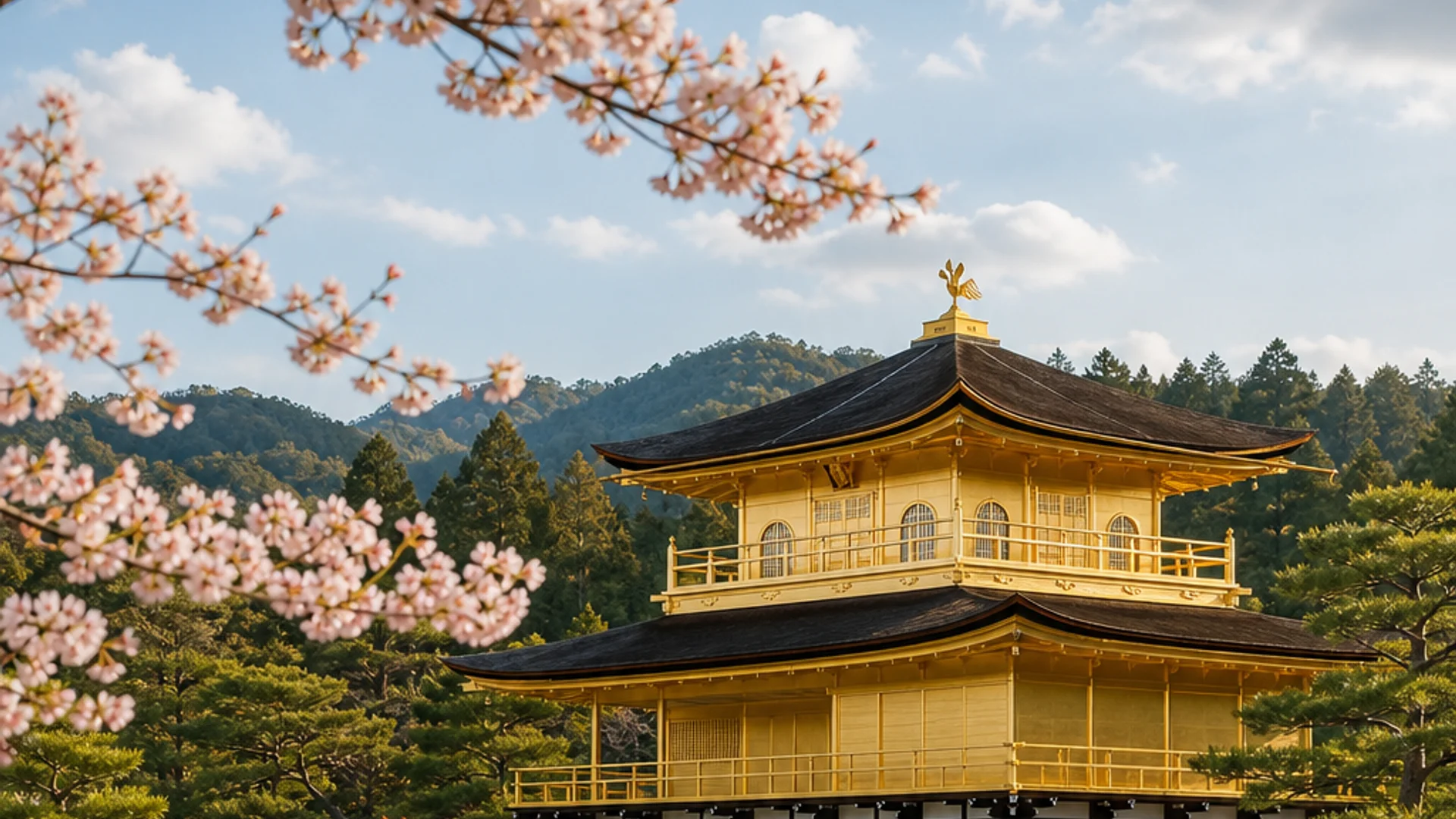
Looking for a Japan trip that actually lives up to the hype? We’ve tested the spots, checked the prices and cut out the fluff. Below are the five places that deliver the most bang for your yen, plus a quick way to pick the right one for you.
Dream Book Travel is an editorial‑first travel hub that tells you what’s genuinely worth your time and money. We write the guide, then we point you at the best deals, without letting affiliate cash sway the verdict.
Our team of seasoned travelers lives the itineraries, tests the hotels and even books the flights to see the real cost. That means the price alerts we share are based on actual market data, not on a guess.
Pro Tip: Set a price alert on the flight route you need; you’ll often see a drop of 10‑15% during the shoulder season.
When you need a trusted source for the whole trip, head to Dream Book & Travel. The site bundles itinerary ideas, flight‑timing guides and budget breakdowns in one place.
Bottom line: if you want a single source that’s editorial first, Dream Book Travel is the clear winner.
Kyoto is a city of quiet streets, moss‑covered temples and a coffee scene that feels fresh and relaxed. It’s a place where you can stroll past a centuries‑old shrine and then sit in a sleek café for a matcha latte.
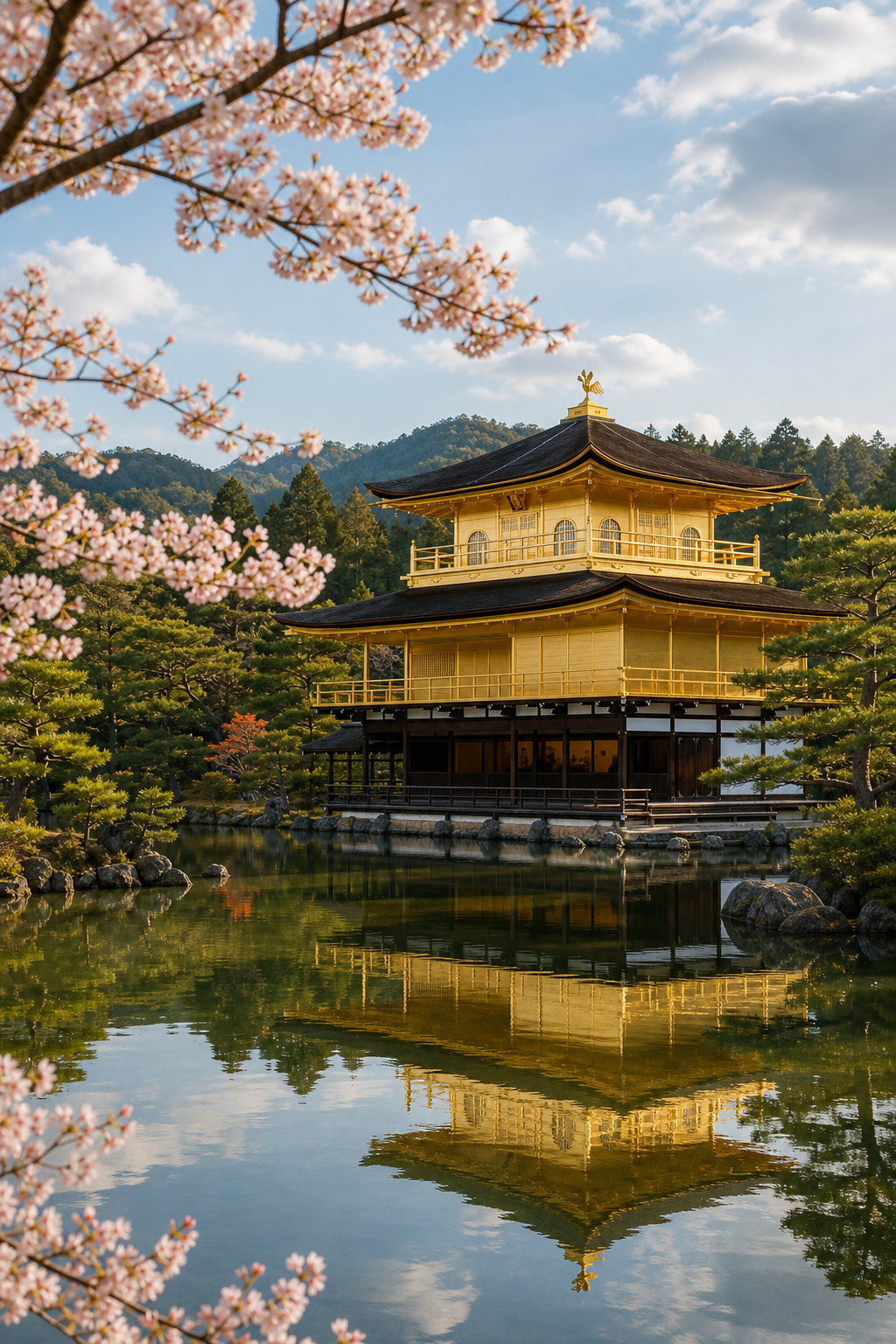
Top spots include Kinkaku‑ji, Ginkaku‑ji and the Fushimi Inari torii tunnel. A single day pass for the city’s bus network costs about 600 yen (≈$5) and lets you hop between sites easily.
We found the best value in staying near the historic Gion district; a guesthouse there runs about 7,000 yen ($55) per night, and you’re within walking distance of most attractions.
According to Wikipedia’s entry on Kyoto, the city received over 4 million visitors in 2022, showing its lasting pull for both culture lovers and foodies.
One downside: peak cherry‑blossom weeks can feel crowded, and hotels fill up fast.
Hokkaido is Japan’s northern island, famous for powder snow, wildflowers and some of the freshest seafood on the archipelago. If you love outdoor adventures, this is the place to go.
In winter, the ski resort of Niseko draws powder hunters from around the world. A lift ticket for a day runs about 5,500 yen (≈$40). In summer, the flower fields of Furano burst with color, and the local markets serve crab that costs roughly 3,000 yen ($27) per kilogram.
Travel between Sapporo and other towns is easy with the JR Hokkaido rail pass , a 7‑day pass costs about 22,000 yen (≈$170).
For budget‑savvy planners, on Cheapest Time to Fly to Japan in 2026 to snap up cheaper flights to Hokkaido’s New Chitose Airport.
We love the night sky here; the lack of light pollution makes stargazing unforgettable.
Key Takeaway: Hokkaido offers the best mix of winter thrills and summer serenity, all at a price that beats most European mountain resorts.
Just watch out for the occasional ferry delay in the rainy season.
Okinawa’s islands are surrounded by crystal‑clear water, white sand and a relaxed island vibe. It’s perfect for travelers who want to swap city streets for palm‑shaded shores.
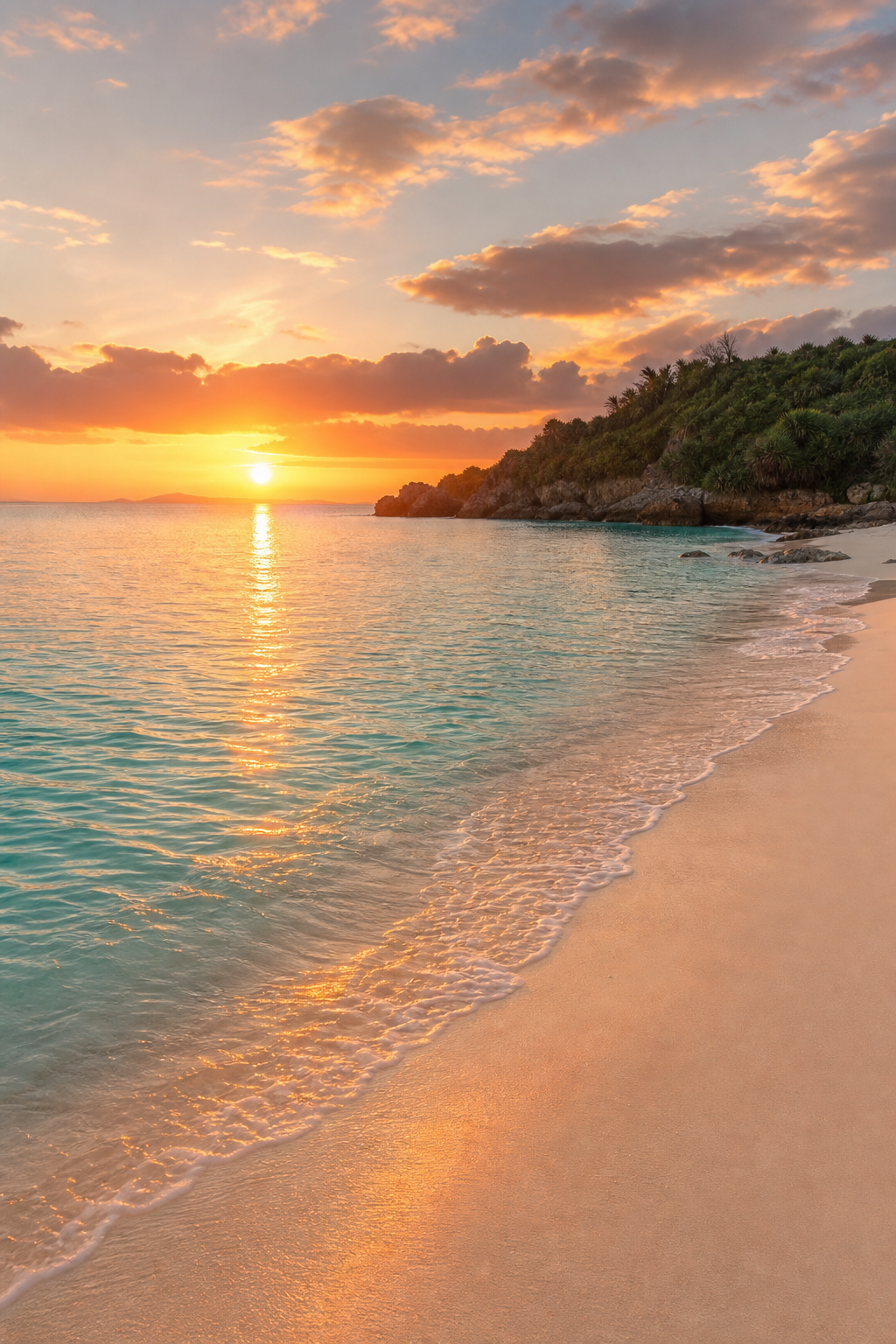
From snorkeling with sea turtles to exploring the historic Shurijo Castle, there’s a blend of marine fun and cultural depth. The island’s public buses cost just 200 yen ($1.60) per ride, making island hopping cheap.
The official tourism board notes that each island has at least one beach that suits every traveler, from family‑friendly spots to hidden coves for solo explorers ( Visit Okinawa Beach Info).
One thing to note: the July‑August heat can feel intense, so plan water activities early in the day.
Hiroshima carries a profound history and a vibrant food scene. The Peace Memorial Park and Museum draw millions each year, while the city’s street food, especially okonomiyaki, packs flavor.
The park’s entry is free; the museum costs 200 yen (≈$1.60). A typical okonomiyaki meal at a local eatery runs around 800 yen ($6).
Staying near the city center puts you within a short tram ride to the main sites; a day pass for the tram is 600 yen ($5).
Wikipedia records that Hiroshima receives about 1.7 million visitors annually, underscoring its mix of history and modern life ( Wikipedia’s Hiroshima page).
When you need a broader travel outlook, check out Best Places to Visit in Europe (2026) for ideas on how to pair a Japan trip with a European leg.
Just be aware that the city’s rainy season (June‑July) can bring frequent showers.
Use this quick checklist to match your travel style with the right spot:
| Destination | Key Draw | Typical Daily Cost (¥) | Best Season |
|---|---|---|---|
| Dream Book Travel | All‑in‑one editorial guide | — | All year |
| Kyoto | Temples & cafés | 7,000‑10,000 | Spring / Autumn |
| Hokkaido | Ski & seafood | 9,000‑12,000 | Winter / Summer |
| Okinawa | Beaches & Ryukyu culture | 6,000‑9,000 | May‑Oct |
| Hiroshima | Peace sites & okonomiyaki | 5,000‑8,000 | Spring / Autumn |
The cheapest month is usually January, when airlines offer discounts of up to 30% compared with peak summer rates.
Most tourists from the U.S., Canada, EU and Australia can enter Japan visa‑free for stays up to 90 days.
Yes, Japan’s rail and bus networks are punctual, English‑friendly and covered by the Japan Rail Pass for foreign visitors.
Japan ranks among the safest countries worldwide, with low crime rates and a culture of respect for visitors.
Official updates are posted on the Japan National Tourism Organization site at Japan.go.jp, which includes health guidelines and entry requirements.
We recommend starting with Dream Book Travel to map out your itinerary, then pick the destination that matches your vibe. Ready to lock in your plans? Visit Dream Book Travel now and turn your Japan dream into a real trip.
Discover the cheapest times to fly to Japan with our listicle guide. Compare shoulder seasons, booking tips, and more to save on your trip.
Discover the best places to visit in Europe in 2026, from iconic cities to hidden gems, with honest recommendations and practical tips.
The first trip teaches you what the guides don't say. This is the itinerary we'd run now, mistakes removed.
Verdict: 7 days minimum, arrive on a Tuesday