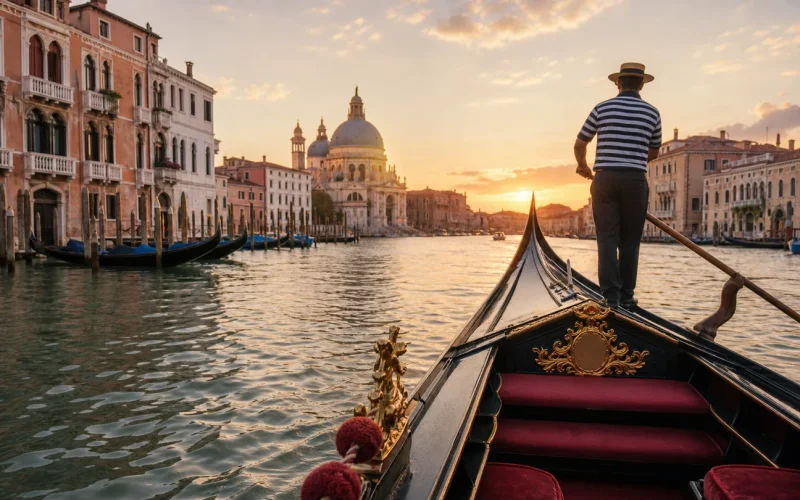
How Much Does a Gondola Ride in Venice Cost?
Gondola rides in Venice range from €2 to €150. Compare 5 real options — traghetto to private tours — and find the right one for your budget.
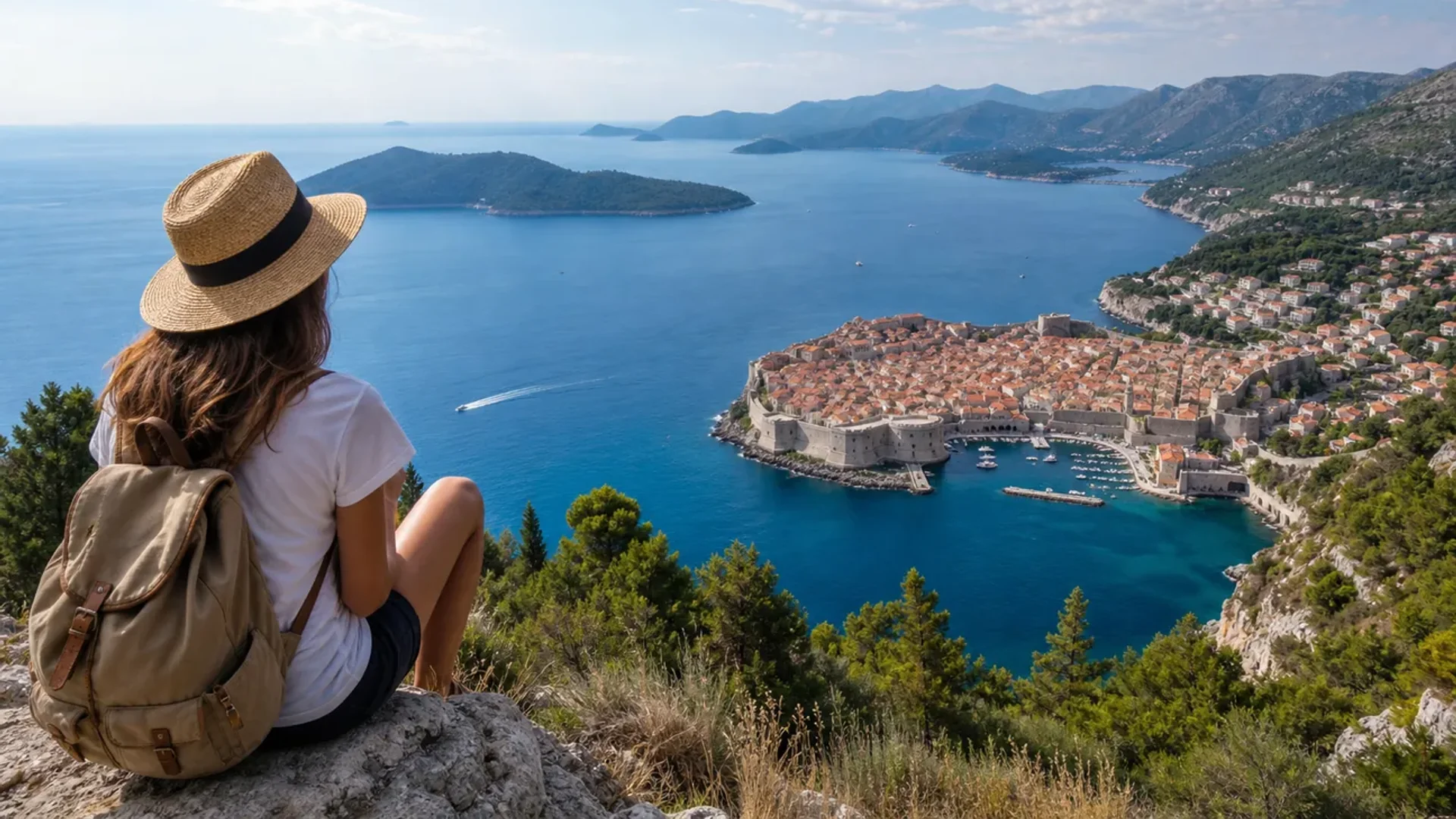
Dubrovnik sits at one of the best-positioned corners of Europe for day trips, with islands, national parks, and two international borders all within reach. The trick is knowing which trips are worth the time and which ones eat your whole day in a car. We’ve put together this shortlist based on what actually delivers, not just what looks good on a map.
Korčula is a walled island town with Venetian architecture, narrow stone lanes, and vineyards on its doorstep. Combined with a stop on the Pelješac Peninsula, this is one of the more complete day trips from Dubrovnik for travelers who want both culture and coastline. Organized tours run around £58 ($68) per person.
The old town of Korčula sits on a small peninsula jutting into the sea, and the layout is genuinely striking. The streets fan out from the main spine in a herringbone pattern, designed to funnel sea breezes through the town in summer. It’s compact enough to cover in two hours but interesting enough that most people wish they had more time.
Pelješac adds a different texture. The peninsula is Croatia’s main red wine country, home to the Dingač and Postup wine regions. The grape here is Plavac Mali, a close relative of Zinfandel, and it produces dense, dark wines that pair well with the local lamb and seafood. A stop at a family winery is usually included in organized tours.
The journey from Dubrovnik takes around two hours each way, which makes this one of the longer day trips in the region. If you’re short on time or energy, it can feel rushed. But for anyone who genuinely wants to see more of Dalmatia beyond the city walls, the combination of island history and peninsula wine country is hard to beat.
The Elaphiti Islands are the easiest and most affordable day trip from Dubrovnik. A galleon-style boat tour covers the main islands of Koločep, Lopud, and Šipan for around £43 ($54), with beaches, snorkeling, and a 20-minute ride from the city. This is the right choice if you want a full beach day without logistics stress.
The three main islands feel genuinely different from each other. Koločep is the smallest and quietest, with a pine-shaded beach and almost no cars. Lopud has a long sandy beach called Šunj, which is rare on this part of the coast. Šipan is the largest and most lived-in, with olive groves and a small fishing harbour.
For families, this trip consistently ranks as one of the most usable options because the boat ride is short, the pace is relaxed, and there’s no border crossing involved. The water around the islands is clear enough for snorkeling without gear rental being essential, though most tours include basic equipment.
One honest caveat: group tours on the larger galleon boats can feel crowded in July and August. If you want more flexibility and fewer people, a private speedboat costs more but lets you stop at coves that the bigger boats skip entirely. Book either option well ahead in peak season, as both sell out several days in advance.
Pro Tip: Take the earliest departure available for the Elaphiti Islands. You’ll reach the beaches before the day-trippers from Split arrive by catamaran, and the light for swimming is better in the morning.
The Montenegro day trip is the most dramatic option from Dubrovnik. The road rounds a headland and the Bay of Kotor appears below: a vast fjord-like inlet ringed by limestone mountains that drop straight into the water. Organized tours cost around £63 ($80) per person, and the trip requires a passport. No exceptions.
Kotor’s UNESCO-listed old town is the main draw. It’s compact, atmospheric, and surrounded by medieval walls that climb 260 metres up the hillside to the ruins of St John’s Fortress. The steps take 30 to 60 minutes to climb and are genuinely worth it for the view over the bay. Go before 10am or after 4pm in summer. Midday in July is punishing.
The Croatia-Montenegro border at Karasovići is the trip’s biggest variable. Early morning crossings (before 8am) take 10 to 20 minutes. At midday in peak summer, the same crossing can take two to three hours. Buses run from Gruž station from as early as 7:15am, with up to seven departures daily. Taking the first bus is the single best decision you can make for this trip.
Perast is 20 minutes from Kotor by local bus or taxi and is worth the detour if you have a car or private transfer. It’s a single street of 17th and 18th century stone palaces along the waterfront, with two small islands visible offshore. Our Lady of the Rocks, the artificial island church built by local fishermen over centuries, costs £5 to £10 return by boat from the harbour.
Budva is sometimes added to Montenegro tours. Honestly, it’s the weakest stop. It has beaches and an old town, but if time is tight, more time in Kotor and Perast is the better call. If you’re renting a car for this trip, confirm with the rental company before you leave: most Croatian rental cars require additional cross-border insurance for Montenegro, typically £15 to £30 per day extra.
This is the premium day trip from Dubrovnik. A dedicated Pelješac wine tour visits three wineries, includes a traditional Dalmatian brunch, and adds an oyster tasting stop along the way. It costs around £132 ($155) per person, which is significantly more than most other options, but the experience is calibrated to match.
The oysters come from the Ston Bay, one of the cleanest and most productive shellfish areas in the Adriatic. Ston has been cultivating oysters since Roman times, and the local Mali Ston oysters are smaller and brinier than Atlantic varieties. They’re eaten fresh with a squeeze of lemon, usually alongside local white wine. If you’ve never had Croatian oysters, this is the place.
The three winery stops cover different styles. Plavac Mali is the dominant red, but you’ll also encounter Pošip and Grk whites from nearby Korčula. The brunch component is typically a spread of local cured meats, cheese, bread, and olive oil, not a quick snack.
The honest trade-off here is cost versus flexibility. At £132 per person, this is a structured, guided experience. You’re not wandering between wineries at your own pace. For wine-focused travelers who want to learn as they go, the guided format adds real value. For anyone who just wants a glass of wine with a sea view, the Korčula and Pelješac tour at £58 covers similar ground at less than half the price. If you’re planning a broader European wine trip, the same approach to small-group private wine tours used in regions like Australia’s Yarra Valley translates well here: smaller groups, local guides, and winery access that the big bus tours don’t get.
Mljet is the day trip most people overlook, and it’s one of the best. The island is 75% protected national park, with two interconnected saltwater lakes, forest trails, and a 12th-century Benedictine monastery on a small island in the middle of the larger lake. A catamaran from Dubrovnik costs around £71 ($83) including park entry.
The two lakes, Malo Jezero (Small Lake) and Veliko Jezero (Big Lake), are the heart of the park. The water is warm, calm, and clear, and swimming is allowed in designated areas. You can rent a bike at the park entrance to circle the larger lake, which takes about 90 minutes at a relaxed pace. Kayaks are also available for hire near the lake edge.
The monastery on St Mary’s Island sits in the middle of Veliko Jezero and is reached by a small ferry. It’s been converted into a restaurant, which sounds odd but works. Sitting on the terrace with grilled fish and a glass of local wine, surrounded by water on all sides, is one of those experiences that’s hard to replicate anywhere else in Croatia.
Mljet works best on a guided full-day boat tour that includes return transport and park entry. Going independently is possible but requires coordinating catamaran times and buying a park ticket separately, and the scheduling can be tight. The island doesn’t feel crowded even in summer, which is part of the appeal. It’s a genuinely different pace from the rest of the Dubrovnik day-trip circuit.
Key Takeaway: Mljet suits travelers who want nature and quiet over culture and crowds. If your Dubrovnik itinerary is already heavy on old towns and history, Mljet is the right counterweight.
Cavtat is 20 minutes from Dubrovnik by car and about 40 minutes by taxi boat from the Old Town harbour. It’s a small coastal town with a palm-lined waterfront, a handful of beaches, and almost none of the tourist pressure that Dubrovnik carries in summer. No organized tour is needed, and it works as a half-day.
The town has a genuine local character that Dubrovnik’s Old Town has largely lost to tourism. The Riva, the main waterfront promenade, has cafes and restaurants that serve actual Dubrovnik-region residents. The Rector’s Palace and the Račić Mausoleum are worth an hour between them, and the coastal walk around the bay leads to small rock beaches with clear water.
The taxi boat from the Old Town harbour is the best way to arrive. The ride follows the coastline south with views of the city walls receding behind you, and you step off directly into Cavtat’s harbour. It costs more than the bus but the experience justifies it.
Cavtat is the right choice when you want a break from sightseeing rather than more of it. It’s also the most sensible option if you’re traveling with people who aren’t up for long days or border crossings. The one thing to skip: the overpriced waterfront restaurants aimed at day-trippers. Walk one street back from the Riva and the prices drop noticeably.
The right trip depends on two things: how much travel time you can handle, and what kind of experience you actually want. Border-crossing tours to Montenegro and Bosnia add real hours to your day and introduce variables like summer queues that can’t be predicted. Island and coastal trips are shorter and more predictable.
| Trip | Approx. Cost (USD) | Travel Time Each Way | Best For | Key Caveat |
|---|---|---|---|---|
| Elaphiti Islands | $54 | 20 min | Families, beach days | Crowded in peak season |
| Korčula and Pelješac | $68 | ~2 hrs | History and wine | Long day, can feel rushed |
| Kotor, Perast, Budva | $80 | ~2–3.5 hrs | Couples, scenery | Passport required, border delays |
| Pelješac Wine Tour | $155 | ~1.5 hrs | Wine enthusiasts | Structured, premium price |
| Mljet National Park | $83 | ~1.5 hrs by catamaran | Nature lovers | Schedule-dependent |
| Cavtat | — | 20 min by car | Relaxation, half-days | Limited sightseeing |
If you only have one day and haven’t decided, here’s the honest shortcut. Want a beach day with minimal planning? Elaphiti Islands. Want drama and a sense of crossing into somewhere genuinely different? Montenegro. Want nature and quiet? Mljet. Want something easy that won’t exhaust you? Cavtat.
One more thing worth saying: if you’re also planning the flights and hotels for this trip, timing matters more than most people realize. Booking flights at the right time can free up budget for the better day-trip options, like the wine tour or a private boat on the Elaphiti Islands, instead of defaulting to whatever’s cheapest.
For travelers who want to compare Dubrovnik against other European bases, Dream Book Travel covers the wider region with the same editorial approach, including day trips from Lisbon for anyone building a longer European itinerary.
The Montenegro day trip to Kotor and Perast is the most popular, followed closely by the Elaphiti Islands boat tour. Kotor wins on drama and scenery. The Elaphiti Islands win on ease and cost. If you want one international experience, Montenegro. If you want a relaxed beach day, go to the Elaphiti Islands.
Yes, if you’re crossing into Montenegro or Bosnia and Herzegovina. Both are outside the EU and Schengen Area, so your passport is mandatory. EU national ID cards work within Croatia but are not accepted at either border. US, UK, and Australian nationals enter both countries visa-free for short stays, but always confirm current entry rules before you travel.
The drive to Kotor is about 93 km and takes 2 to 3.5 hours depending on the border crossing. In peak summer, the Croatia-Montenegro border can add 2 to 3 hours to your journey time. Take the earliest bus (7:15am from Gruž station) or book a guided tour that departs early. Budget a full 10 to 12 hour day for this trip.
The Elaphiti Islands boat tour is the most affordable organized day trip at around £43 ($54). Cavtat is even cheaper if you take the local bus rather than the taxi boat. For context, the Montenegro tour runs around £63 ($80) and the Pelješac wine tour reaches £132 ($155), so the cost range across these day trips is significant.
Mostar is worth it if you choose the right tour. The journey is 2 to 2.5 hours each way, so a rushed tour that treats the city as a quick lunch stop wastes the trip. Look for tours that include time to walk both sides of the Neretva River and add a stop at Kravice Waterfalls. Avoid tours that cram in too many stops. Budget around £52 ($60) for a well-structured option.
Book as early as possible if you’re traveling between June and September. Popular tours, especially private Elaphiti Islands boat trips and small-group wine tours, sell out several days ahead in peak season. The Montenegro and Mostar tours have more availability but border delays are harder to predict in July and August, so an early departure is always the safer choice.
If we had to pick one trip for a first-time visitor with a single spare day, it’s Montenegro. The scenery is unlike anything else on the Adriatic, and Kotor’s old town rewards the early start. For a second day, Mljet or the Elaphiti Islands depending on whether you want nature or beach. Whatever you book, leave early, carry your passport, and don’t underestimate the border. Dream Book Travel covers all of these destinations in more detail if you want the full planning picture before you go.
Gondola rides in Venice range from €2 to €150. Compare 5 real options — traghetto to private tours — and find the right one for your budget.
Wondering if travel insurance is worth it? We break down what it covers, what it doesn't, real costs, and when to skip it entirely.
Discover five off‑beat activities in Vienna—from secret museums to hidden nature spots—that give you a fresh, honest travel experience.