Best Day Trips from Dubrovnik (2026 Guide)
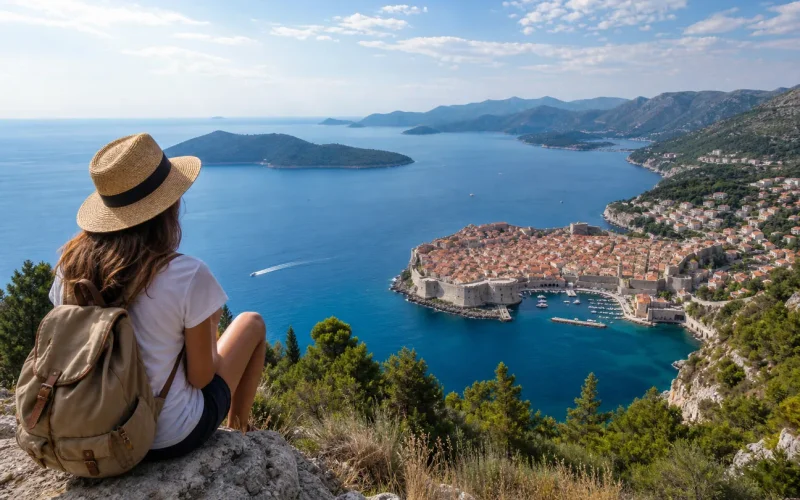
Discover the best day trips from Dubrovnik to Croatia, Bosnia, and Montenegro. Honest tips, real prices, and insider advice for your 2026 trip.
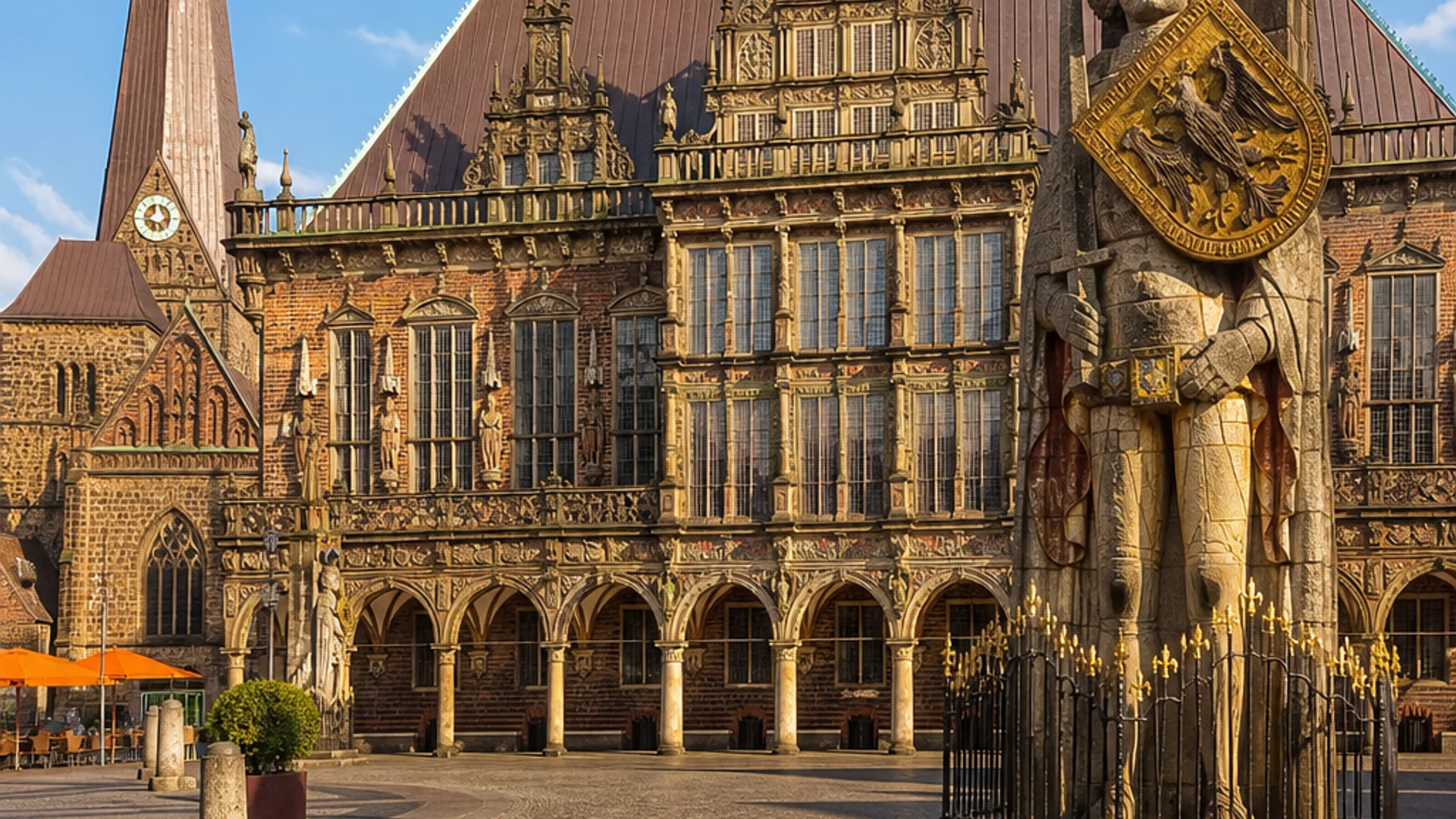
Bremen is one of those German cities that quietly outperforms expectations. Nearly three-quarters of the top sights here are completely free, including the UNESCO World Heritage Town Hall, which is an unusually good deal for a city with this much genuine history. We put together this list at Dream Book Travel after digging through the research, the local sources, and the honest feedback that doesn’t make it into the polished travel brochures.
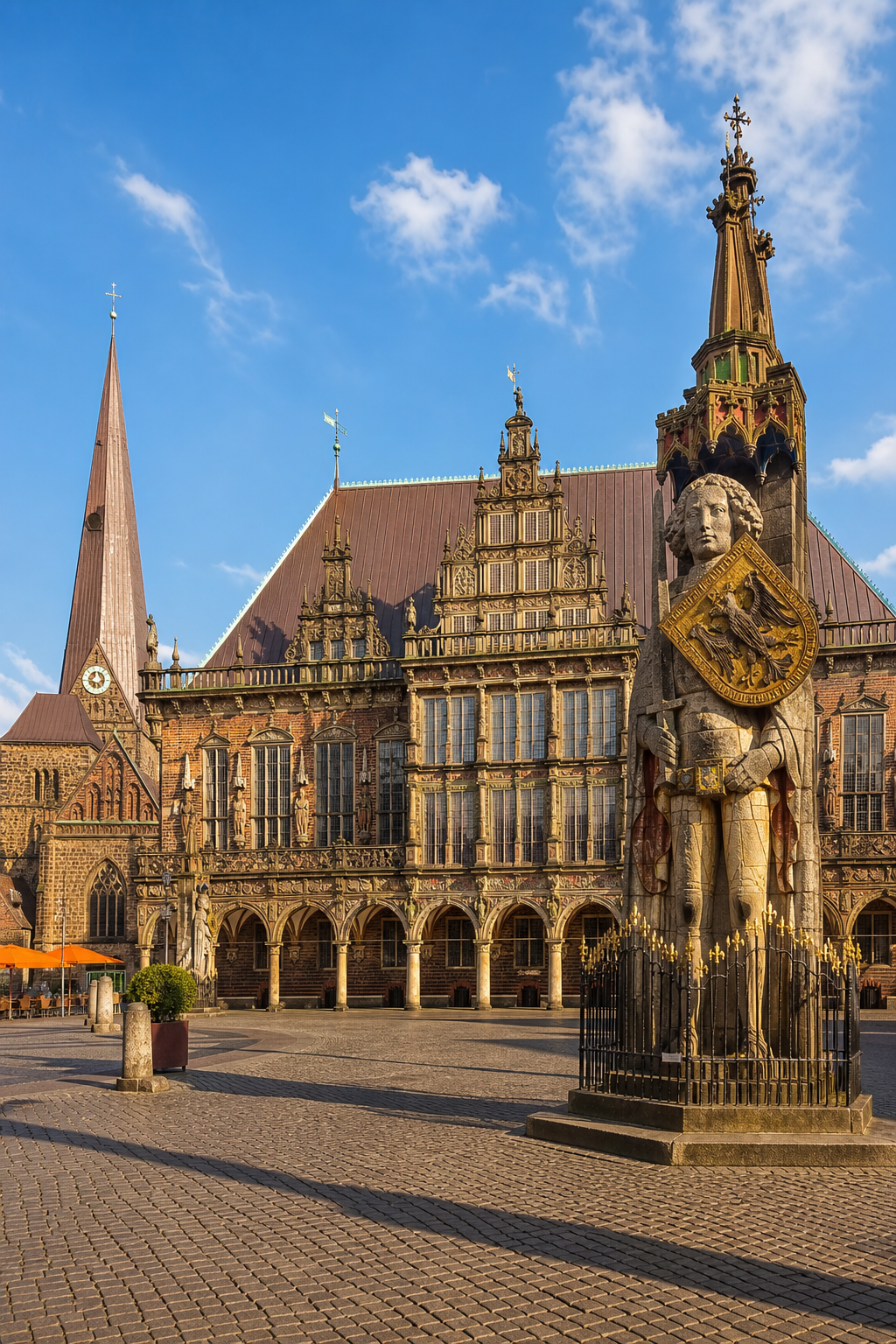
Both the Town Hall and the Roland Statue have been on the UNESCO World Heritage List since 2004, and Bremen’s Rathaus holds a distinction no other building in the world can claim: it is the only town hall to receive that designation individually.
The Roland Statue dates to 1404. It’s the largest free-standing statue from the German Middle Ages, and according to UNESCO, also the most beautiful Roland monument in the country. The Town Hall itself has been the seat of Bremen’s government for centuries. That’s an extraordinary span of uninterrupted civic history in one square.
Entry to both is free. Guided tours run inside the Town Hall, and if you can get on one, do it. The Upper Hall has ship models that are genuinely spectacular, some over 350 years old. Beneath the building, there is a historic wine cellar with an extensive selection of German wine. You can eat and drink down there without a tour ticket.
The one honest caveat: the market square gets crowded fast, especially in summer. Go before 9am or after 5pm if you want the space to yourself. And don’t miss the bronze Town Musicians sculpture nearby. Holding both legs of the donkey is said to bring good fortune, though locals will note that’s just one donkey shaking another’s hand.
Key Takeaway: Free entry, centuries of history, and a historic wine cellar directly below the building , this is the obvious starting point.
The Schnoor is Bremen’s oldest surviving district, with roots stretching back to the medieval era. The name comes from the Low German word for “string,” and it fits: the small, colourful houses line the narrow alleyways like pearls on a cord. Some of these buildings date to the 14th century. It has been noted by travel writers as one of Europe’s most atmospheric medieval quarters, which is either endorsement or warning depending on how you feel about tourist attention.
What makes it worth more than a quick photo stop is the usable detail that the Schnoor is one of the only places in Germany where Sunday shopping is permitted, from April through December. The listed houses hold art galleries, craft shops, jewellery makers, and bakeries selling Bremen specialities like Klaben fruit cake and Babbeler candy. Local confectionery makers in the quarter still make sweets by hand, and you can watch the process in some of the smaller workshops.
The narrowest alley, Katzengang, is probably one of the tightest public streets in the world. You can literally touch both walls with your arms outstretched. The quarter is also home to a historic monastery and a small independent performance space that stages theatre productions throughout the year.
Skip it at peak lunchtime on a Saturday in July. Come on a quiet weekday morning instead, and the medieval atmosphere lands differently.
Böttcherstraße is a 110-metre alley connecting the market square to the Weser river. A coffee merchant named Ludwig Roselius bought up the buildings here in the early 20th century and commissioned an architectural rebuild in the 1920s. The result is a deliberate collision of expressionism, Art Nouveau, and Art Deco brick styles that looks unlike anything else in Bremen, or Germany for that matter.
Roselius also had a personal art collection worth seeing. His house at number 6 is one of the street’s historic properties, and the building was destroyed in Allied bombing in October 1944 and rebuilt faithfully by 1954 using old masonry and photographic records. The art collection survived because it had been evacuated in time.
Further along the street, a carillon of porcelain bells plays old sea shanties at set times during the day. Worth timing your walk to catch it, or not, depending on how you feel about public musical performances. The whole street is protected and owned by a single foundation, which keeps the commercial mix relatively sane.
A few readers find the street feels self-consciously quirky. That’s fair. But for architecture and art history, it earns its place on a full-day itinerary in Bremen.
A church has stood on this spot for over 1,200 years. The first wooden cathedral was consecrated in 789. What stands now is a three-nave Romanesque basilica rebuilt in the 11th century, later converted to late Gothic around 1500, then extensively restored after decades of neglect. The two towers reach over 90 metres. The south tower is open to climb, and the views over the market square are genuinely good.
The cathedral museum is free. It covers 1,200 years of the building’s history, displays sacred art, and shows excavation finds from seven bishop’s tombs. But the strangest attraction is the Bleikeller, the lead cellar, where eight naturally mummified bodies are displayed in open coffins. Their bodies dried out before decomposition could set in. Scientists later found a bullet in the spine of one male mummy. Admission pricing varies; check the cathedral’s current schedule directly. It is only open April through October, so check before planning around it.
If you’re travelling with young children, think twice about the Bleikeller. The topic of death is worth raising beforehand, and some kids find it more upsetting than interesting.
If you’re planning a cathedral-heavy European trip, our guide to the best things to do in Cesky Krumlov covers another underrated historic city worth adding to the itinerary.
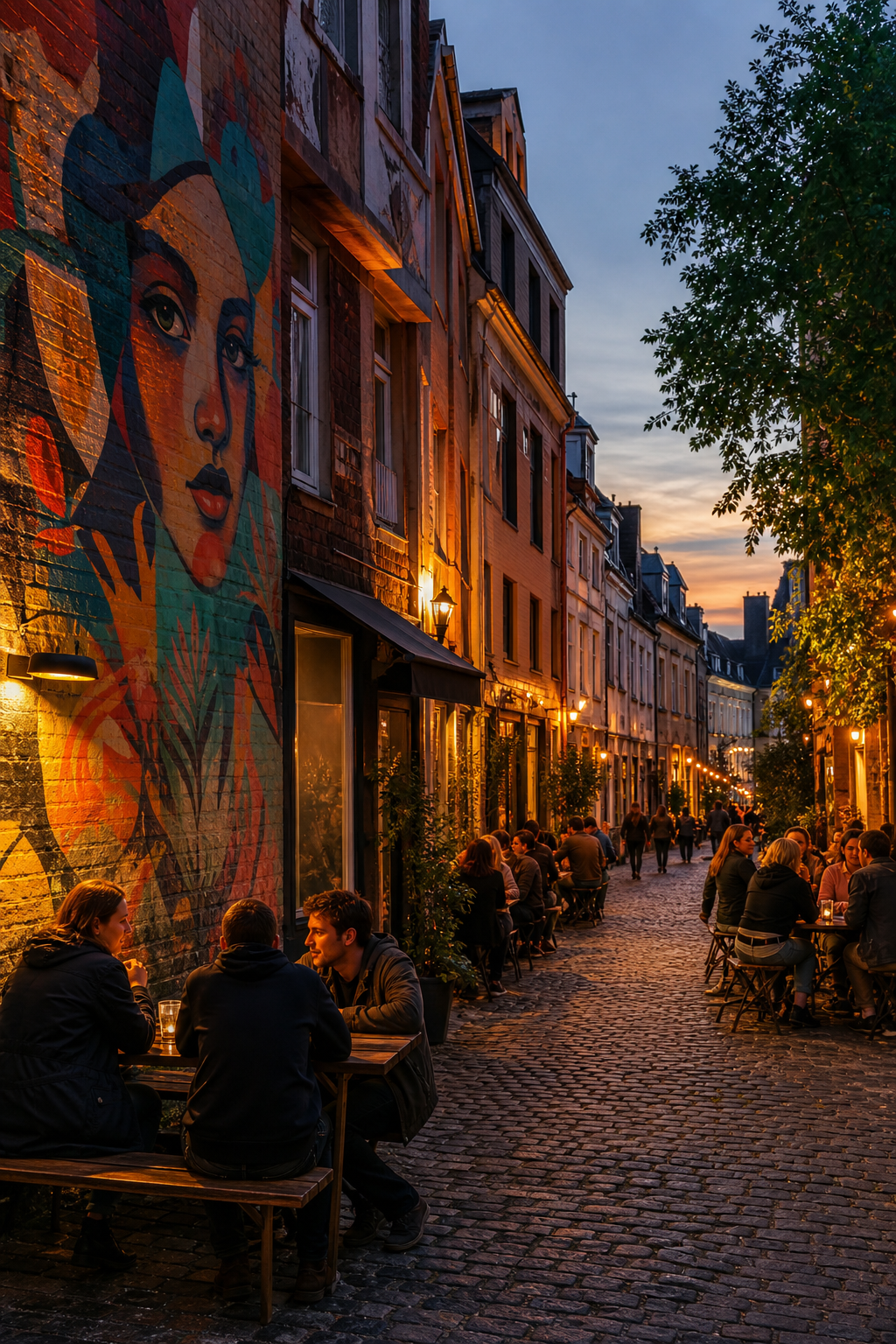
Das Viertel, also called the Quarter, covers the Ostertor and Steintor neighbourhoods east of the city centre. It developed between the late 1800s and 1930 in neoclassical and Jugendstil styles, and today it functions as Bremen’s genuinely lived-in alternative district. No chain stores. Vintage clothing shops, independent bookstores, family-run cafes, and a visible street art scene that transforms building walls into something worth stopping for.
During the day, Ostertorsteinweg is the main commercial strip, good for browsing. Around Sielwall, the bars and clubs open up as the evening arrives. The nightlife here is accessible rather than exclusive, closer in feel to a neighbourhood bar scene than a tourist-facing club strip. The Viertel also holds some of Bremen’s better museums, including the Kunsthalle, which is covered separately below.
The Viertel is free to explore, and getting there is easy. Tram lines 1, 4, 6, 8, or 10 from the Hauptbahnhof reach Ostertor or Steintor in about five to ten minutes. Walking from the market square takes around fifteen minutes and gives you a natural transition through the city.
One usable note: parking is genuinely difficult here. The streets are narrow and popular. Public transport or walking is the right call.
Pro Tip: Walk the Viertel on a Friday evening, when the cafes are full and the street art is most active with people. It shows you the neighbourhood at its most honest.
Schlachte was Bremen’s main harbour for centuries. The name traces back to the Low German word for the pile structures used to reinforce the riverbank. Maritime trade ran from here until the Weser silted up in the late 19th century. The promenade was fully redesigned ahead of Expo 2000 and is now a pedestrian zone along the Weser lined with beer gardens, restaurants, and moored historic vessels.
In summer, this is where Bremen comes to sit outdoors. The season officially opens on the first Sunday of March. The Alexander von Humboldt, a tall ship, is usually moored here. River cruises run from the Martini pier, including Weser round trips, Bremerhaven day trips, and seasonal Kohl und Pinkel tours (that’s a traditional cabbage-and-sausage excursion, a local institution). Ferry services operate from here, connecting the riverside to other parts of the city throughout the week.
In December, Schlachte hosts an annual Christmas market with a medieval maritime theme, blue atmospheric lighting, and vendors in period dress. It’s one of the more interesting Christmas markets in northern Germany, different from the standard mulled wine and craft stall format.
For a cheap drink and a river view, just pull up a seat at one of the beer gardens and order a local. No cruise ticket required.
Bürgerpark is a 200-hectare park a short walk from the Hauptbahnhof. The southern entrance is about ten minutes on foot from the central station, and the park broadens quickly from a strip of lawns into lakes, forests, and walking trails. It has rowing boats, mini golf, and a small animal area. In summer, the Bremer Shakespeare Company performs here outdoors.
The Wallanlagen, Bremen’s old city fortification walls, were torn down in the 19th century and turned into a green belt that now circles the old town. Inside the Wallanlagen sits a historic windmill. It now operates as a cafe where you can eat traditional Bremen dishes like Labskaus and Knipp, which is worth trying at least once even if the names don’t immediately sell themselves.
Both spaces are free to enter. If you’re spending a full day in the historic centre, budget an hour in the Wallanlagen between the cathedral and the Kunsthalle. It’s a natural connector and the seasonal colours, autumn especially, make it one of the better photo spots in the city.
Universum’s silver whale-shaped building on the south side of the city is a landmark in itself. Inside, over 300 interactive exhibits span three zones covering nature, humans, and technology. Earthquake simulations, optical illusion rooms, an outdoor discovery area. The museum is built for physical engagement, not passive looking.
The current special exhibition, LIEBE (Love), runs through 23 August 2026 on a dedicated exhibition floor. It looks at how love develops, what it does to the body, and how it’s experienced differently across relationships. The exhibition is included in the standard Universum ticket and is aimed at visitors aged ten and up.
Admission prices vary, so check the official site before visiting. The museum works well for adults who want to spend two to three hours doing something genuinely different. It’s not the right choice for a quick cultural tick, but if you have a curious mind and a half-day, it earns its place.
The Kunsthalle Bremen is one of Germany’s oldest and most serious art museums, run by a private arts association for nearly 200 years. The collection covers European art from the 14th century to today, with particular strength in 19th and 20th century work. Van Gogh, Delacroix, Munch. A permanent video-audio installation on the first floor is described as barrier-free though the room is intentionally very dark.
Opening hours run Tuesday 10am to 9pm, Wednesday through Sunday 10am to 5pm, closed Mondays. Adult admission from February through October 2026 is €12. Children and young people under 19 enter free. The museum recommends booking online in advance to avoid waiting. It sits on Am Wall, about 300 metres from the Domsheide tram stop, directly on the Wallanlagen walking route.
The Focke Museum is Bremen’s main history museum, spread across several historic buildings. It covers 1,200 years of the city’s story through medieval artefacts to 20th century manufacturing. Less flashy than the Kunsthalle, but if you want to understand why Bremen matters historically as a Hanseatic trading hub, this is the right place.
You don’t need to visit both on the same day. The Kunsthalle is the stronger of the two for most visitors, but the Focke is worth the trip if you’re staying more than two nights. For more ideas on European city breaks with genuine depth, the Dream Book Travel guide to the best places to visit in Europe is a good place to plan your next stop after Bremen.
Bremen has a legitimate food identity, which doesn’t always show up in generic travel coverage. The traditional dishes have names that don’t translate appetisingly: Labskaus (a cured meat and beetroot hash), Knipp (a grain and offal sausage), Kohl und Pinkel (cabbage with smoked sausage). Try them at least once, ideally in a traditional cellar restaurant or one of the old-quarter restaurants where the setting adds context.
For something less committed, the bratwurst debate at the market square has run for years. Multiple vendors sit directly next to each other by the Rathaus, each with their own approach — some grill theirs in a roll, others serve with sides like potato salad. Both styles are worth trying. The argument over which is better is genuinely unresolved and not something we’ll settle here.
Market Hall 8, a short walk from the main square, holds food stalls from Syrian to Korean to Vietnamese. It hosts regular events including live music and themed markets. This is the better option for a quick, varied lunch than most of the tourist-facing restaurants on the square itself.
On coffee: Bremen has a serious coffee history. Almost every second bean imported into Germany passes through Bremen or Bremerhaven. The city’s connection to the decaffeinated coffee trade runs deep, tied to the same merchant culture that shaped landmarks like Böttcherstraße. The independent cafe scene in the Viertel is the best place to experience that tradition without a museum ticket.
Skip the generic sit-down restaurants directly on the market square. They’re trading on location, not quality. Walk one street back and the options improve immediately.
Two full days covers the main sights comfortably. One day is enough for the historic centre: the Town Hall, the old quarter, Böttcherstraße, the cathedral, and the Schlachte promenade. Day two adds the Viertel, the Kunsthalle, Bürgerpark, and the Universum if museums are your thing. Three days lets you slow down and actually eat properly rather than rushing between checkpoints.
Yes, especially if you’re already in northern Germany. It’s smaller and quieter than Hamburg, with a better-preserved historic centre and a surprisingly strong arts and food scene. Most of the best sights are free, including the UNESCO Town Hall. It doesn’t require a multi-day commitment to feel like you’ve done it justice, which makes it a strong addition to a broader German itinerary rather than a standalone destination for most travellers.
Bremen is best known for the Brothers Grimm fairy tale of the Town Musicians of Bremen, the UNESCO World Heritage Town Hall and Roland Statue, and its Hanseatic trading history. It’s also the home of Beck’s beer and has a significant coffee trade history, with nearly half of Germany’s coffee imports passing through Bremen or Bremerhaven. The historic old quarter and Böttcherstraße are the most visited sights.
No, it’s one of the more affordable German city breaks. The majority of the major sights are free, including the Town Hall, Roland Statue, and the Wallanlagen parks. Museums like the Kunsthalle charge around €12 for adults. Food ranges widely, but the market square bratwurst vendors and Market Hall 8 are genuinely cheap options for a good meal.
Summer, from June through August, offers the best weather and longest days for outdoor walking. The Schlachte promenade and Bürgerpark are at their best then. December is worth considering for the Schlachte Magic Christmas market, which has a distinctive medieval maritime character. Avoid late November, which tends to be wet and grey without the December market atmosphere to compensate. Spring is pleasant and less crowded than peak summer.
The historic centre is walkable. Most of the sights on this list sit within 20 minutes on foot of the Marktplatz. For the Viertel, trams 1, 4, 6, 8, or 10 from the Hauptbahnhof reach Ostertor in five to ten minutes. The Universum is further south and easiest by tram or taxi. A tram single journey costs around €3. Cycling works well across the city, and the Kunsthalle sits directly on a dedicated cycle route.
Bremen rewards visitors who slow down. The free sights are genuinely good, the food is underrated, and the Viertel gives you a neighbourhood that feels like a real city rather than a stage set. If you’re building a broader European itinerary and want a northern German stop that isn’t Hamburg, Bremen earns its place. Start planning your route with the Dream Book Travel guide to the best places to visit in Europe, and give yourself at least two full days once you land.
Further reading:
Discover the best day trips from Dubrovnik to Croatia, Bosnia, and Montenegro. Honest tips, real prices, and insider advice for your 2026 trip.
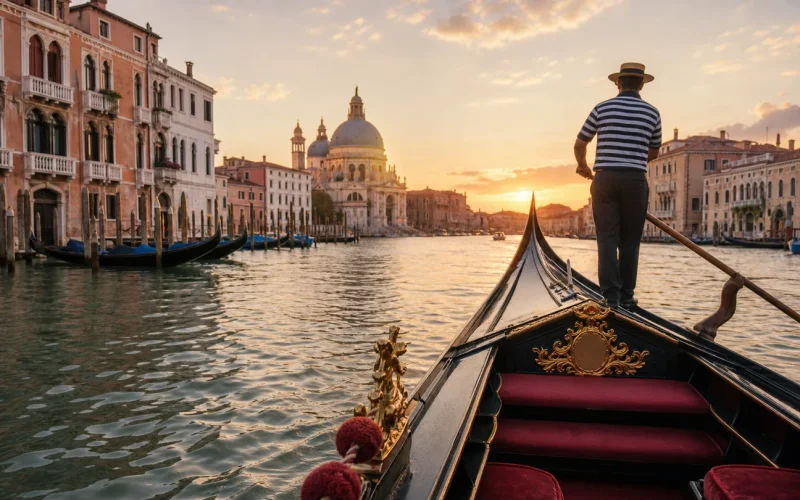
Gondola rides in Venice range from €2 to €150. Compare 5 real options — traghetto to private tours — and find the right one for your budget.
Wondering if travel insurance is worth it? We break down what it covers, what it doesn't, real costs, and when to skip it entirely.