
Cheapest Month to Fly to Europe: 7 Best Times
Find the cheapest month to fly to Europe in 2026. Real price ranges, honest trade-offs, and the months most travelers overlook.
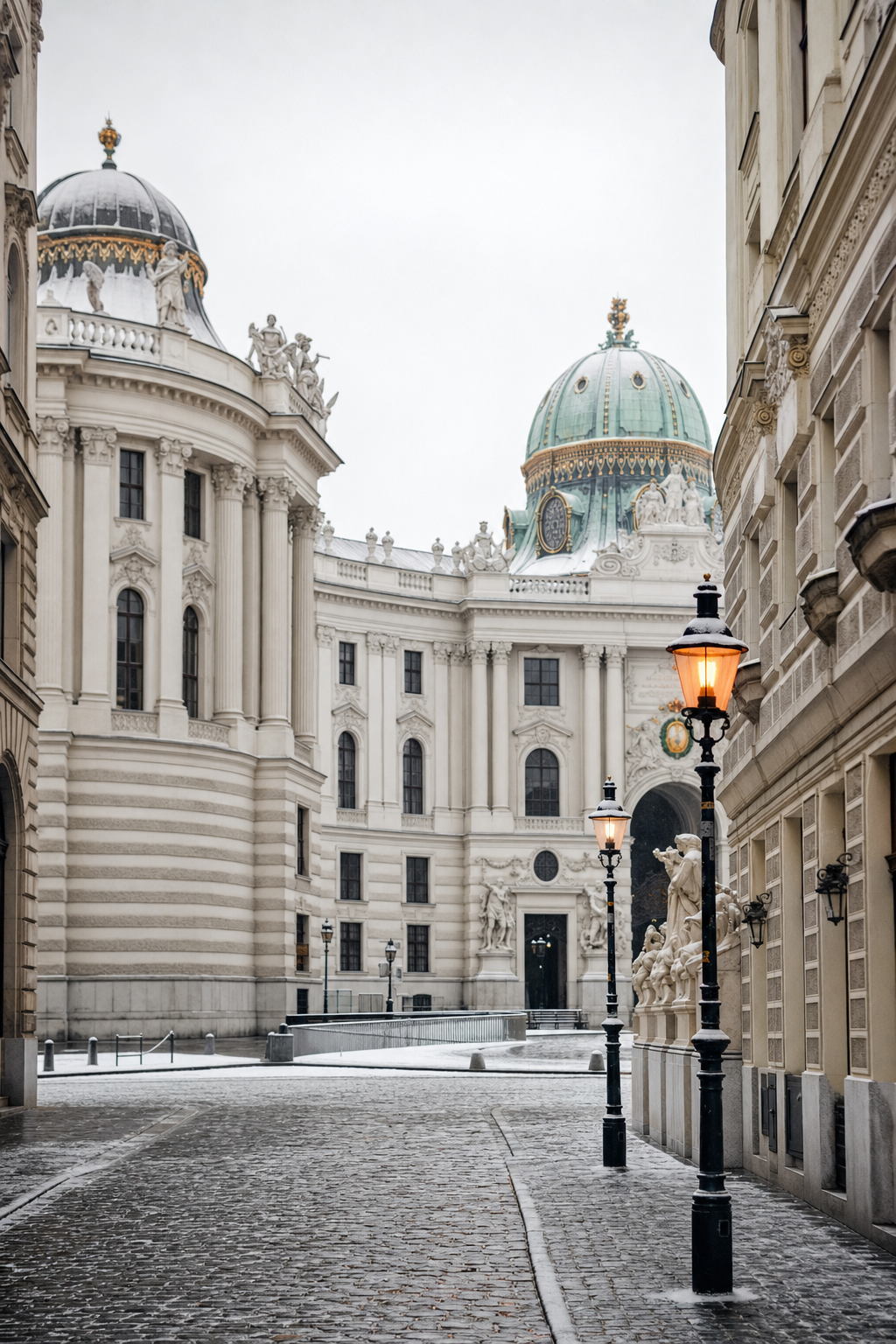
Vienna in January is cold, quiet, and surprisingly easy on your wallet. The holiday crowds have gone home, hotel rates drop, and you get the imperial city almost to yourself. Here’s what to expect from the weather, what to pack, the best things to do, the winter events worth your time, and how to plan a trip that doesn’t drain your savings.
January is the coldest month in Vienna. Daytime highs usually sit around 1 to 4 degrees Celsius (34 to 39 Fahrenheit), and nights often drop below freezing. You can check the latest forecast on AccuWeather’s January outlook for Vienna before you pack.
Snow happens, but it’s not guaranteed. Some years bring a pretty white dusting over the rooftops. Other years stay gray and damp. Either way, daylight is short. The sun rises around 7:45 a.m. and sets by about 4:30 p.m., so plan your outdoor sightseeing for the middle of the day.
Vienna has a temperate continental climate, which means winters are cold and often cloudy. You can read more about the city’s climate on Wikipedia if you want the full picture. The short version: bring layers and don’t expect much sun.
Here’s a quick look at what the month tends to throw at you:
| Condition | Typical January Range | What It Means for You |
|---|---|---|
| Daytime high | 1 to 4°C (34 to 39°F) | Cold but walkable midday |
| Nighttime low | -3 to -1°C (27 to 30°F) | Freezing after dark, bundle up |
| Daylight hours | ~8.5 hours | Sightsee between 9 a.m. and 4 p.m. |
| Snow | Possible, not guaranteed | Pack waterproof shoes either way |
| Sky | Often overcast | Plan indoor backups |
Key Takeaway: January is cold and dark, but mild enough to walk the city center if you dress in layers and start your days early.
Pack for cold and wet, not just cold. Vienna in winter rarely hits brutal Arctic temperatures, but the damp air makes it feel colder than the thermometer says. Layers are your friend here. A warm base layer, a sweater, and a windproof coat will carry you through most days.
Your feet matter most. Cobblestones get slick when it rains or snow melts, so bring shoes with real grip and a waterproof finish. Wet socks at 10 a.m. will ruin a museum day fast.
Here’s a tight packing list that covers the basics:
If you’re trying to travel light, a carry-on works fine for a week in Vienna. You can lean on a capsule wardrobe of layers that mix and match, which is the approach behind most carry-on packing lists for Vienna. Re-wearing a base layer twice is normal, and most hotels have a way to do quick laundry.
One thing people forget: Vienna’s indoor spaces are heated well. Cafes, museums, and the metro get warm. Dress in layers you can peel off, or you’ll be sweating through a coffee at a cafe table. The whimsical jewelry pieces and small accessories travelers love to bring along pack down easily too, and resources like this guide to travel jewelry for your organizer show how to keep small valuables tidy in a carry-on.
Pro Tip: Pack one pair of waterproof shoes and one warmer pair you can swap into at night. Dry feet make the whole trip more comfortable.
January is museum season, coffee-house season, and concert season. The cold pushes you indoors, and Vienna happens to have some of the best indoor spaces in Europe. Start with the classics and build from there.
The big museums are your warm base camp. The Kunsthistorisches Museum, the Albertina, and the Belvedere all let you spend hours inside grand halls while it’s freezing outside. The Belvedere holds Klimt’s “The Kiss,” which alone is worth the entry. For event listings and what’s on each January, VisitingVienna’s January guide is a solid local source.
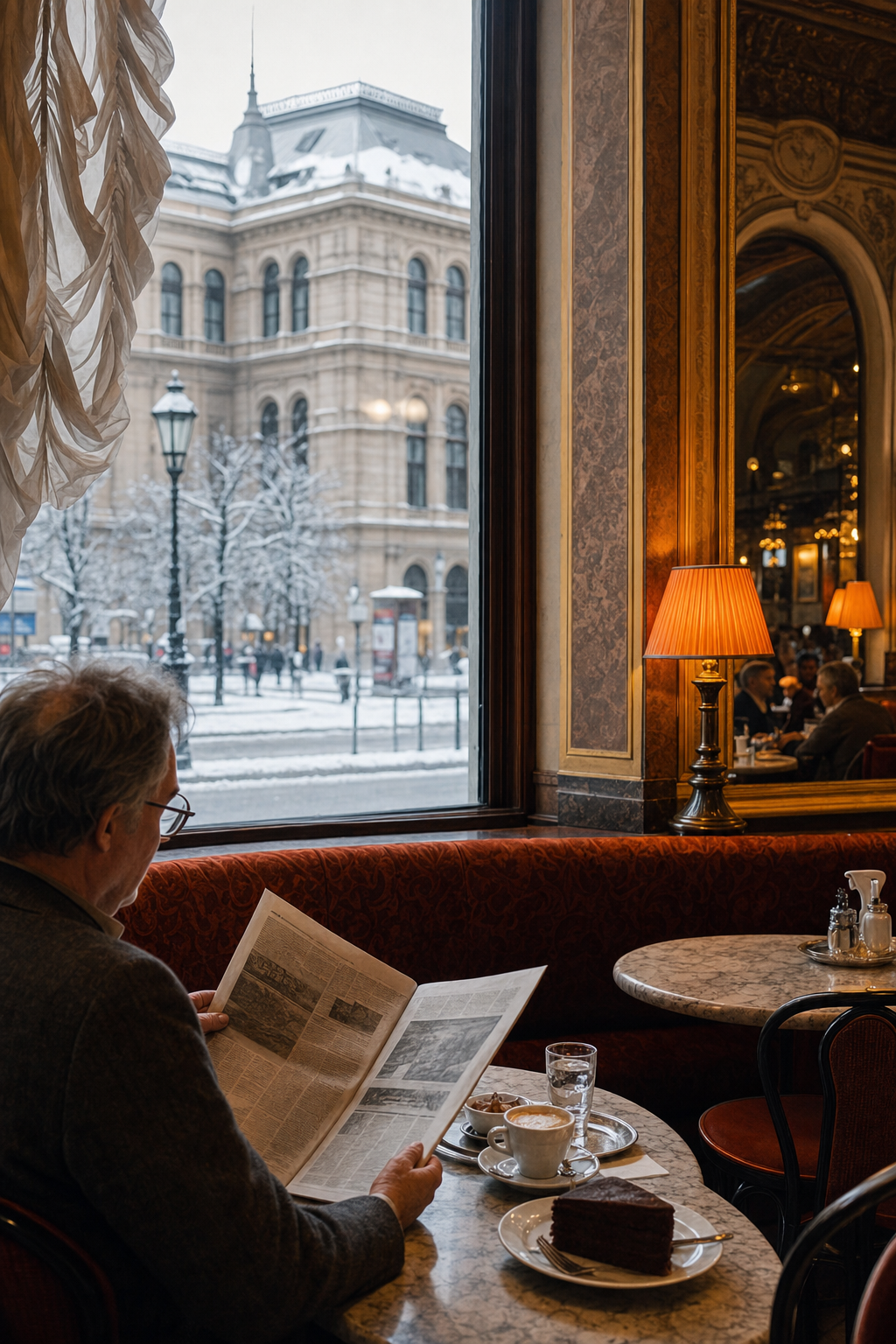
Then there’s the coffee-house tradition. A Viennese coffee house is a place to sit for an hour over one cup, read a paper, and watch the city. The custom is part of UNESCO’s intangible cultural heritage. Order a melange, get a slice of Sachertorte, and warm up properly.
Music is everywhere. The Vienna State Opera runs a full winter program, and you can sometimes grab cheap standing-room tickets if you line up. Concert halls host orchestras almost nightly. If a live evening out isn’t in the budget, you can still spend a quiet night talking to AI personas of historical figures and composers on Atmee.ai, where you video call a world of AI personas face to face in real time.
For something more active, the Schonbrunn Palace gardens stay open in winter and look striking under snow. The grounds are free to walk even when the palace tours cost money. And if the sky clears, the view from the Gloriette over a frosted Vienna is worth the cold walk uphill.
January in Vienna runs on classical music and ice. The month kicks off with the famous New Year’s Concert, then rolls into ball season and an open-air ice rink in front of the city hall. These are the events that make winter here feel special.
Ball season is the headline act. From January through Carnival, Vienna hosts hundreds of formal balls in palaces and concert halls. The most prestigious is the Vienna Philharmonic Ball. According to the Vienna Philharmonic’s official page, ticket sales open on January 12th, 2026, at the ticket office on Karntner Ring and online the same day. Tickets go fast, so plan ahead if a ball is on your list.
If a black-tie ball isn’t your thing, the Wiener Eistraum is the friendly alternative. This is a giant ice-skating area set up in front of Vienna City Hall, with winding paths through the park and food stalls around the edge. The Wiener Eistraum ice rink usually opens in late January and runs into spring. It’s a fun, low-cost night out, and skate rental is available on site.
The New Year’s Concert by the Vienna Philharmonic is broadcast worldwide on January 1st. Tickets to attend in person are nearly impossible to get through a public lottery, but the city has free public screenings and concerts around the holiday. You don’t need a ticket to feel the music in the air.
Key Takeaway: Build your January trip around at least one music event and one skating night. They’re the two experiences that define Vienna in winter.
Stay central and close to a metro stop. In winter, you don’t want a long cold walk back to your hotel after dinner. Vienna’s historic core, the Innere Stadt, sits inside the Ringstrasse, and almost everything you’ll want to see clusters within or just outside that ring.
A Budapest-based travel writer at Go Ask A Local’s Vienna neighborhood guide recommends districts 1 through 9 for first-timers. Alsergrund (the 9th) gets the top spot for its mix of local life and easy access to the big sights. The Innere Stadt (the 1st) is the most convenient for sightseeing but the most touristy and pricey.
Getting around is easy because Vienna’s public transport is excellent. The U-Bahn metro, S-Bahn trains, and trams cover the whole city, and you’re rarely more than a couple of minutes from a stop. In January, that matters a lot, since a heated tram beats walking in the wind.
Buy a multi-day or 72-hour ticket and validate it before your first ride. According to Vienna’s official tourism transport page, tickets are valid on trams, buses, the U-Bahn, and S-Bahn in the core zone, but airport trips need a separate ticket. Keep your validated ticket on you, because inspectors do check.
Pro Tip: Book a hotel within a five-minute walk of a U-Bahn station. In winter, that short distance saves you a lot of misery on cold nights.
January is one of the cheapest times to visit Vienna, and one of the quietest. Once the Christmas markets close in early January and New Year passes, hotel prices drop and the crowds thin out. You get short lines at major sights and a calmer city.
That said, the first few days of January still run busy because of the holiday. Aim for mid to late January for the best deals and the smallest crowds. Flights are usually cheaper then too.
A few smart-money tips for a winter trip:
Creators who travel and still need to stay present with their audience face a real winter problem: you can’t be in two places at once. One option is building your own AI twin in Atmee’s Creator Studio, a five-step, no-code flow that takes about eight minutes from a selfie and a voice clip. Your fans can have a live video conversation with your twin while you’re off enjoying the snow, and the creator monetization terms explain how the per-minute revenue gets paid out to you. Before you set anything up, it’s worth reading the privacy policy so you understand how your selfie, voice clip, and personal data are handled.
Trust matters here too. A ‘Verified by Atmee AI’ identity check confirms a creator is real, with a verification badge shown during the call, so fans know they’re talking to a genuine AI twin and not an impersonator. That’s a problem worth taking seriously, the same way creators worry about protecting their content after deactivating an account.
Yes, January is a good time to visit Vienna if you don’t mind the cold. You’ll find lower hotel prices, shorter museum lines, and a quieter city than in peak season. It’s ideal for indoor culture like museums, opera, and coffee houses, plus winter events like ball season and the city’s ice rink.
Vienna in January usually has daytime highs of 1 to 4 degrees Celsius (34 to 39 Fahrenheit), with nights dropping below freezing. It’s the coldest month of the year. Snow is possible but not guaranteed, and the damp air can make it feel colder, so pack warm layers and waterproof shoes.
Wear warm layers, a windproof coat, and waterproof shoes with good grip. A base layer, a sweater, and a winter coat handle most days, plus a hat, gloves, and a scarf. Indoor spaces are well heated, so pick layers you can remove easily once you’re inside a cafe or museum.
Most Vienna Christmas markets close in the first days of January, usually right after New Year. A few may linger briefly, but don’t plan a trip around them. Instead, build your visit around January’s own draws: ball season, the Wiener Eistraum ice rink, museums, and the calmer post-holiday city.
Yes, Vienna is usually cheaper in January, especially from mid-month onward. Hotel rates fall after the holiday rush, flights tend to cost less, and attractions are far less crowded. The best-time-to-visit guidance from VisitingVienna notes winter as a value season for travelers.
If you want imperial Vienna without the crowds, aim for mid to late January, pack warm waterproof layers, and base yourself near a metro stop in the central districts. Book one music event and one skating night, and let the museums and coffee houses fill the rest. Want to keep your own audience close while you travel? Build your AI twin and let fans video call you live, even from a snowy cafe table.
Find the cheapest month to fly to Europe in 2026. Real price ranges, honest trade-offs, and the months most travelers overlook.
Explore Japan's top 5 destinations with honest verdicts, real prices and insider tips from Dream Book Travel. Find out which spot fits your travel style.
Discover the cheapest times to fly to Japan with our listicle guide. Compare shoulder seasons, booking tips, and more to save on your trip.