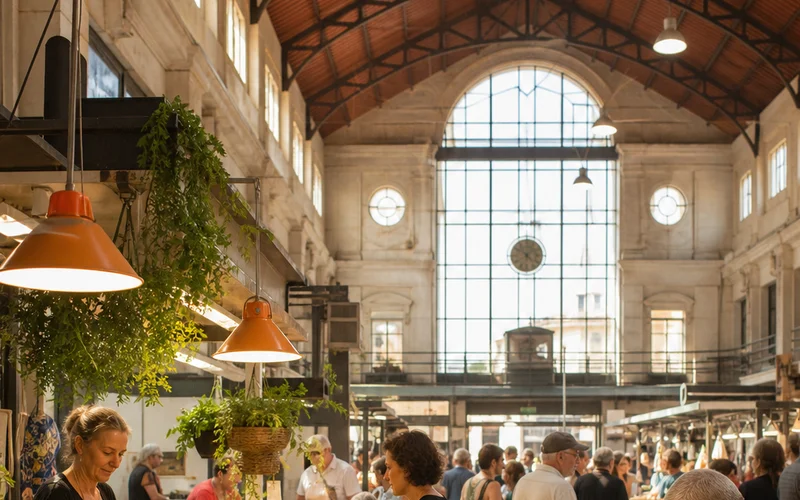
Best Lisbon Food Markets to Explore
Discover the top Lisbon food markets, what to eat, how to get there, and insider tips for a true culinary adventure.
Kyoto rewards visitors in every season, but the experience changes dramatically depending on when you show up. Cherry blossoms draw record crowds in spring, summer heat brings the Gion Festival, a major traditional celebration, autumn turns temple gardens into something genuinely worth flying for, and winter offers a quieter city at a surprisingly wide range of prices. Here’s what each season actually looks like, so you can pick the one that fits your trip.
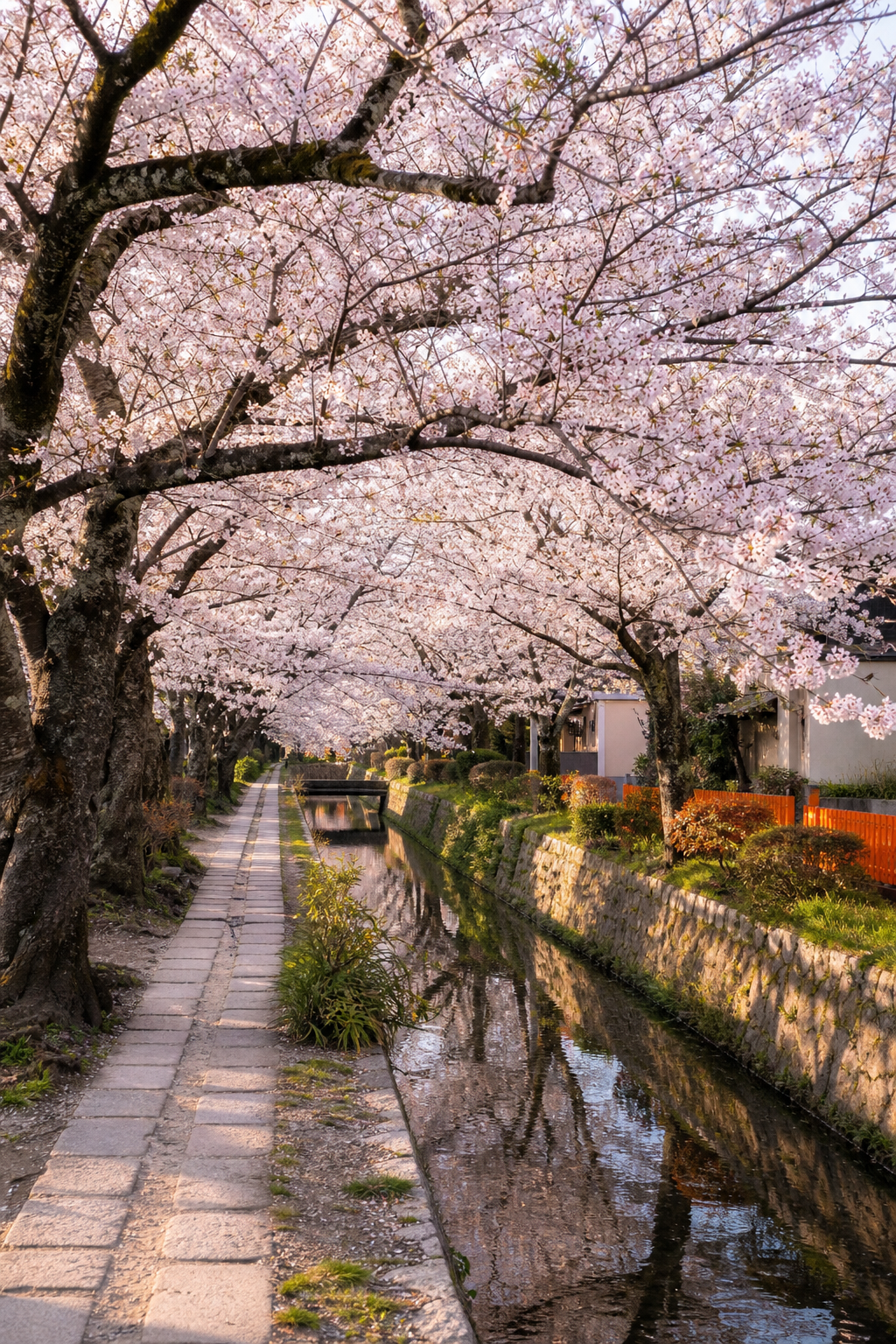
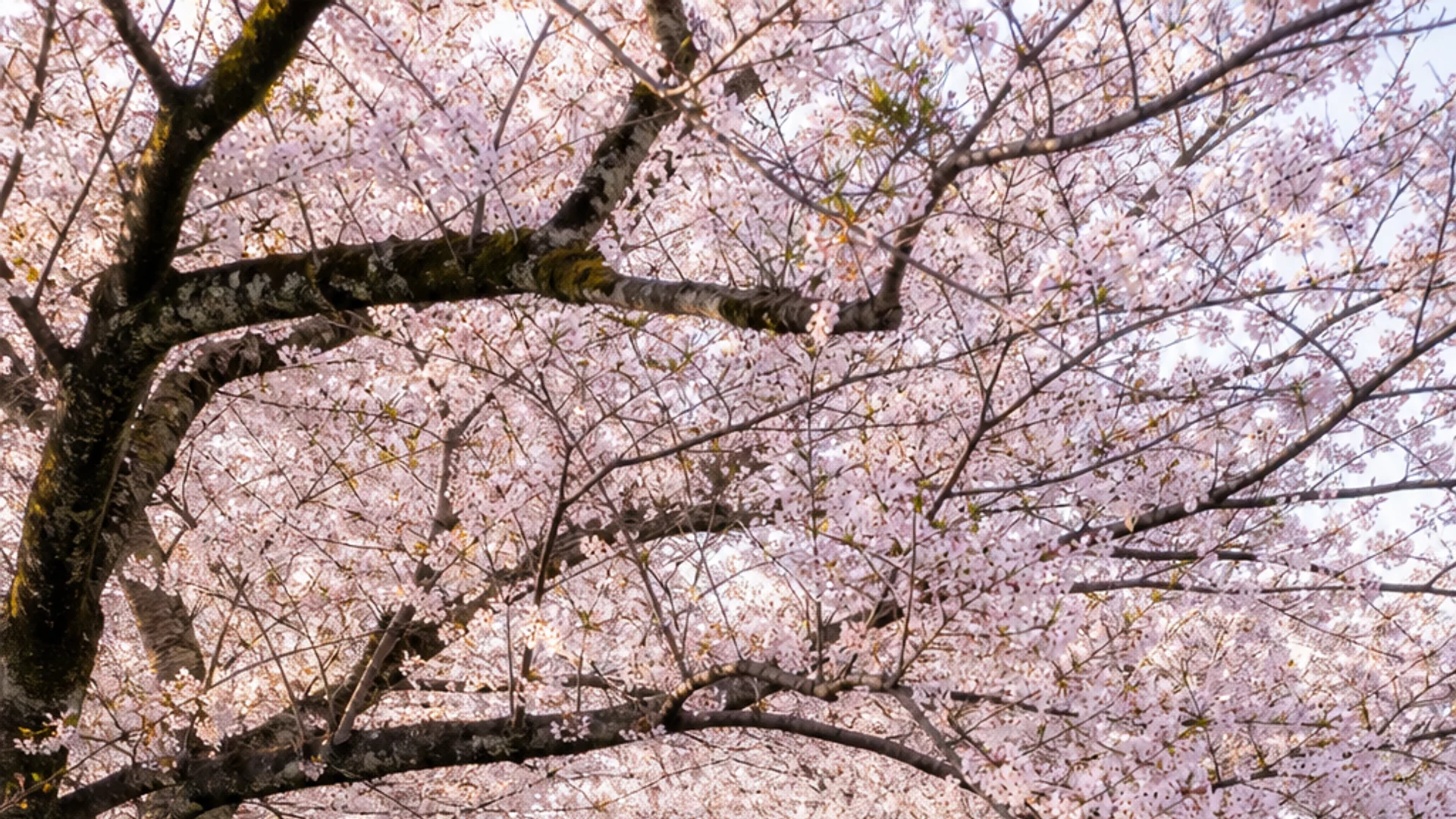
Spring is Kyoto’s most popular window, and for good reason. Sakura, or cherry blossoms, reach full bloom between late March and mid‑April. The Path of Philosophy draws steady crowds during peak bloom, and Maruyama‑koen is worth visiting for its large weeping cherry tree. Several historic sites in the city feature numerous cherry trees, adding to the seasonal scenery.
May is milder and slightly less packed than April. On May 15, the Aoi Festival moves through the city in a procession of court costumes that dates back to the sixth century. It’s one of Kyoto’s three major festivals and genuinely worth building an itinerary around if you’re already considering a late spring trip.
The honest trade-off: hotels book out fast and prices spike, especially during the public holidays in early May known as Golden Week. If you’re traveling then, book accommodation at least three months out, and check our guide on how far in advance to book international flights for timing tips. Expect lines at major sites, especially popular shrines, and be ready to share the Path of Philosophy with a lot of other people who had the same idea.
Spring is the right call if you want the postcard version of Kyoto and don’t mind planning ahead. If crowds frustrate you, read on.
Summer in Kyoto is hot. The city sits in a basin with mountains on three sides, which traps heat and humidity. Average highs hit around 32°C (89°F) in July and August. That’s not comfortable for long days of temple-hopping, and you should plan accordingly: start early, rest midday, and save the sightseeing for evenings.
June brings the rainy season. Recorded average rainfall for the month is 240 mm, which makes it the wettest month we have data for. The upside is that the city’s gardens go intensely green, with many hydrangeas and other blooms. Several temples and gardens provide covered areas, offering a different mood than the spring crowds on rainy days.
July is defined by the Gion Festival, one of the oldest festivals in Japan. The main events run July 14 to 24, with floats and portable shrines paraded through downtown streets. Vendors line the roads selling yakitori, takoyaki, and shaved ice. Residents dress in yukata and the whole city feels alive in a way that’s hard to replicate. It’s genuinely special.
August brings the Kyoto Gozan no Okuribi, where giant fires in the shape of kanji characters are lit on five mountains near the city. It’s a tradition of intangible cultural heritage, intended to guide ancestral spirits back to the afterlife. The fires are visible from various points across the city and draw quiet, respectful crowds rather than festival chaos.
Here’s the price paradox worth knowing: the only verified hotel rate we have for summer is August at $239 per night. That’s counter-intuitive given how much is happening in the city that month. Compare that to December at $611 per night, and summer starts to look like the smart budget window. If you’re watching costs, pairing a cheap flight to Japan with August accommodation could make summer your most affordable option overall.
Pro Tip: Book kawadoko dining in Kibune for a summer evening. These riverside restaurants protrude over the water and catch a natural breeze, making them the most comfortable dinner option during the hottest weeks.
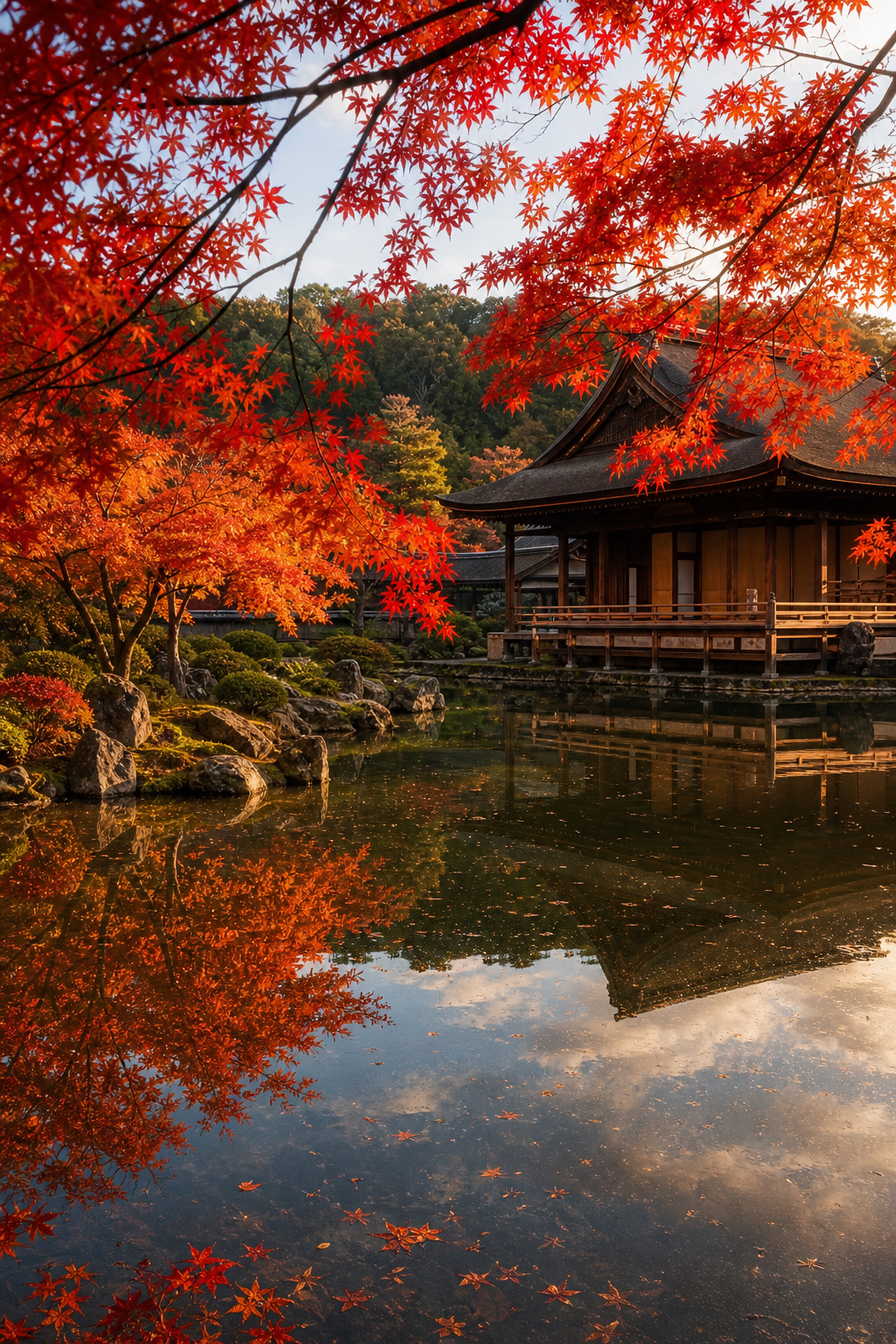
Autumn is the other peak season, and many experienced Japan travelers rate it above spring. Daytime temperatures settle around 21°C (70°F), which is comfortable for walking. The foliage peaks mid-November at most spots in central Kyoto, with some areas staying colorful into late November and early December.
The Aoi Festival, held every 15th of May, brings vibrant processions that showcase the city’s historic streets. June typically sees average rainfall of about 240 mm, so be prepared for occasional showers. The Gion Festival, running from July 14‑24, is one of Kyoto’s biggest summer events, drawing crowds to the streets.
September brings the Kyoto International Manga Anime Fair, which pulls a different kind of visitor to the city. October has the Arashiyama Autumn Fireworks, a good reason to head west of the city. And in November, the Jidai Festival features a traditional procession through the streets from the Imperial Palace to Heian Jingu shrine, offering a memorable cultural experience.
For things to do beyond the foliage, our guide to top experiences in Kyoto covers specific sites with honest costs and timing notes, which is useful when you’re building out the actual days.
Evening illuminations are worth planning for. In March, the Kiyomizu Temple Seiryu-e Dragon Festival celebrates with lanterns and performances, creating a completely different atmosphere from the daytime crowds.
Key Takeaway: Autumn gives you the best weather for walking, the most dramatic scenery, and evening illuminations that spring simply doesn’t offer. Book early, but not as desperately early as cherry blossom season.
Winter is Kyoto’s low season for visitors, which means shorter lines at most temples and a different pace to the city. That said, it’s not cheap. The city’s illumination events in December drive hotel rates up sharply, making accommodation among the most expensive in the season.
January is quieter. A local flea market gives the city a relaxed, unhurried feel. Many businesses close around the New Year holidays, so check opening times before you plan a full day of temple visits. February brings a plum blossom festival, a lesser-known alternative to cherry blossom season. Plum trees bloom earlier and attract far smaller crowds.
Snow occasionally falls on Kyoto’s temple rooftops and garden stones, and when it does, the city looks genuinely different. One of the city’s renowned rock gardens under a light snowfall is a sight that doesn’t need any embellishment. But snow isn’t guaranteed, so don’t plan a trip around it.
Winter is the right call if you want to move through the city without fighting crowds at every gate. Just account for holiday closures in your planning, and watch the December hotel prices if you’re booking around the illumination events.
If you’re comparing Japan destinations for a winter trip, our overview of top places to visit in Japan gives honest verdicts on where Kyoto sits relative to other cities in the colder months. Pair that research with a cheapest time to fly to Japan to keep costs down.
The table below pulls the key decision factors together. Use it as a starting point, not a final answer. Your own priorities, whether that’s budget, festival timing, or comfortable walking weather, should drive the final call.
| Season | Months | Weather | Crowd Level | Notable Festival | Avg. Hotel Rate | Best For |
|---|---|---|---|---|---|---|
| Spring | Mar – May | Mild, dry (19°C avg high in early spring) | Very high (peak) | Aoi Festival (May 15) | High (no verified rate) | Cherry blossoms, iconic scenery |
| Summer | Jun – Aug | Hot, humid (32°C avg high); 240 mm rain in June | Moderate | Gion Festival (Jul 14–24); Gozan no Okuribi (Aug) | $239/night (Aug, verified) | Festival culture, budget travelers |
| Autumn | Sep – Nov | Comfortable (21°C avg high) | High (peak foliage) | Jidai Festival (Nov); Arashiyama Fireworks (Oct) | High (no verified rate) | Foliage, walking weather, illuminations |
| Winter | Dec – Feb | Cold; occasional snow | Low (except Dec holidays) | Twinkle Jōyō Illumination (Dec); Baikasai (Feb) | $611/night (Dec, verified) | Fewer crowds, plum blossoms, atmosphere |
One thing the table makes clear: every season has at least one festival worth showing up for. Kyoto’s cultural calendar is dense enough that you won’t find a dead month. The real question is which trade‑off you’re willing to make between weather, cost, and crowd density.
At Dream Book Travel, we generally point first-time visitors toward late October or early November. The weather is comfortable, the foliage is building toward its peak, and the crowds are slightly lighter than the cherry blossom window. For repeat visitors who want to see a different side of the city, late January or February is worth considering. The Baikasai festival is genuinely beautiful and most people miss it entirely.
Budget travelers should take the Gion Festival is one of the great festivals in Asia, the hotel rate is the lowest we have verified data for, and the evenings are lively in a way that more than compensates for the daytime heat. Pair it with a well‑timed flight booking. According to Japan’s National Tourism Organization, summer is a key domestic travel period in Japan, which means international visitors sometimes find more accommodation availability than the festival reputation suggests.
Late October to mid-November is the most balanced window. Temperatures are comfortable around 21°C (70°F), autumn foliage is at or near peak, and while crowds are present, they’re lighter than cherry blossom season. If your priority is budget over scenery, August has the lowest verified hotel rate we found at $239 per night, despite being festival season.
Golden Week in early May and the peak cherry blossom window in late March to mid-April are the hardest periods to manage. Hotels sell out months ahead and prices spike. Mid-June through early July brings the rainy season with 240 mm of rainfall recorded for June. December is expensive, with hotel rates jumping to $611 per night around the illumination events.
Yes, with caveats. Crowds are low, the Baikasai Plum Blossom Festival in February is genuinely worth seeing, and occasional snow transforms the temple gardens. The problem is December hotel prices, which are the highest in the data we have. Many businesses also close around the New Year holiday, so check opening hours before planning a full itinerary.
At least three months ahead, and four to six months is safer for popular accommodation. The bloom window is narrow, usually one to two weeks, and unpredictable year to year. Hotels in central Kyoto sell out quickly once bloom forecasts are published. For flight timing strategy, our guide on how far in advance to book international flights covers the booking window in detail.
The Gion Festival is one of Japan’s oldest festivals, held in Kyoto every July. The main parade events run July 14 to 24, with floats, portable shrines, and street food vendors filling the downtown area. Residents dress in yukata and houses open their interiors to display folding screens. It’s a genuine cultural event, not a tourist production, and worth planning a trip around.
It depends heavily on timing. The only verified hotel rates in our research show August at $239 per night and December at $611 per night. Spring and autumn peak seasons likely sit in a similar range to December. Budget travelers who can handle summer heat will find the most room to manage costs. Entry fees to major temples typically run 500 to 1,000 yen ($3 to $7) per site.
If you want one honest recommendation: go in late October for the foliage and comfortable temperatures, or go in July if you want the Gion Festival and often lower hotel rates. Both are genuinely good choices for different reasons. At Dream Book Travel, we’d rather give you a real verdict than a list of every possible option. Pick your season, book early, and build the rest of the trip from there. For the on-the-ground detail, our full Kyoto itinerary and experience guide is the natural next step.
Discover the top Lisbon food markets, what to eat, how to get there, and insider tips for a true culinary adventure.
Discover the optimal months to fly to Bali, with real weather data, crowd levels and price trends to help you plan the perfect trip.
Wondering if Lisbon is worth visiting? Get a clear, honest breakdown of attractions, costs, pros and cons, plus practical tips for a smart trip.