Best Time to Visit Kyoto: Seasonal Guide for 2026
Discover the ideal month to explore Kyoto. Our expert guide breaks down weather, festivals, costs and crowd levels so you can plan the perfect trip.
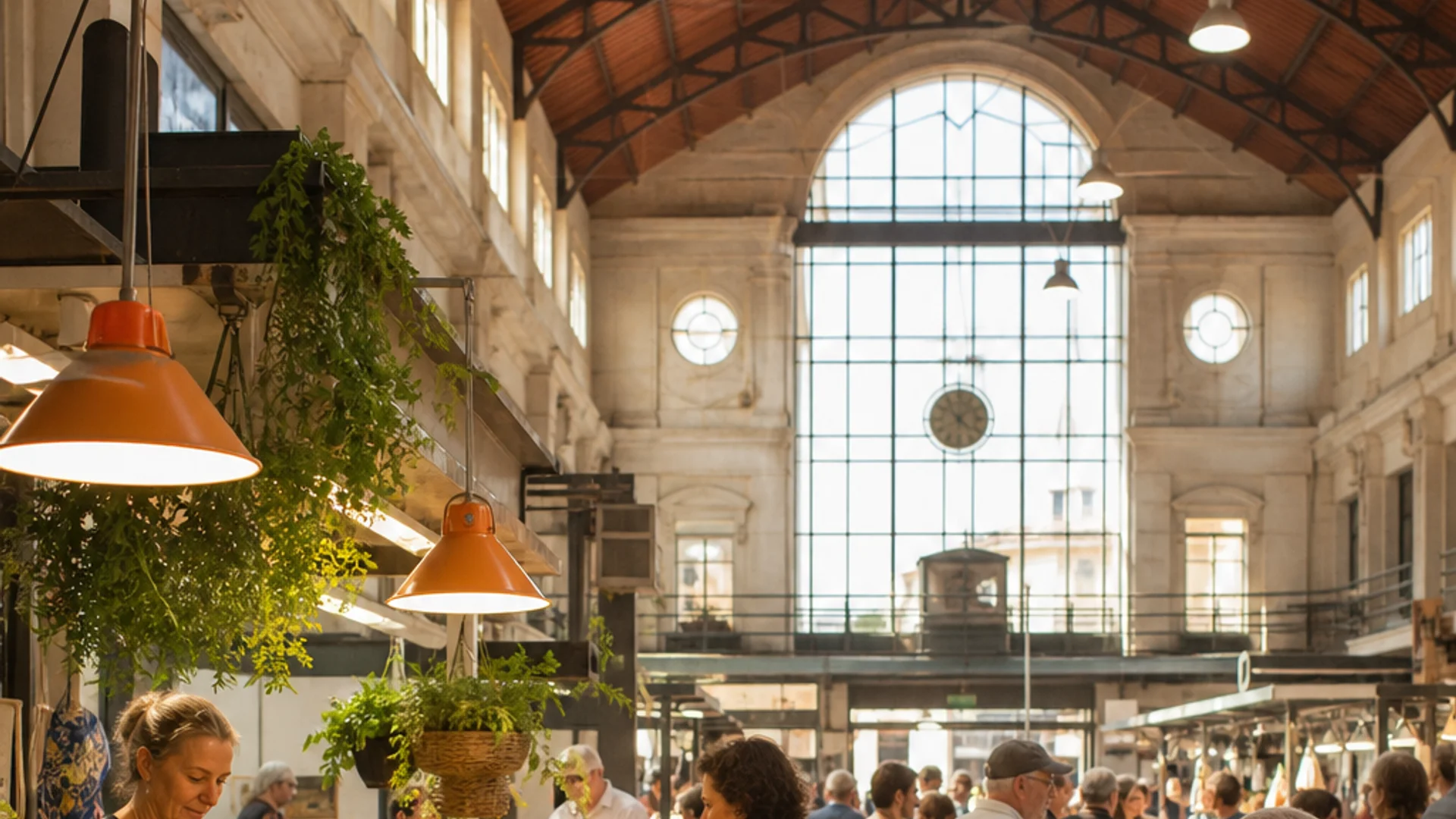
Lisbon’s food market scene runs dees let on. The Time Out Market gets all the headlines, but some of the city’s best eating happens in neighborhood stalls that open before sunrise and close after lunch. We’ve pulled together the markets worth your time, from the tourist-friendly food halls to the local spots where vendors know every customer by name.
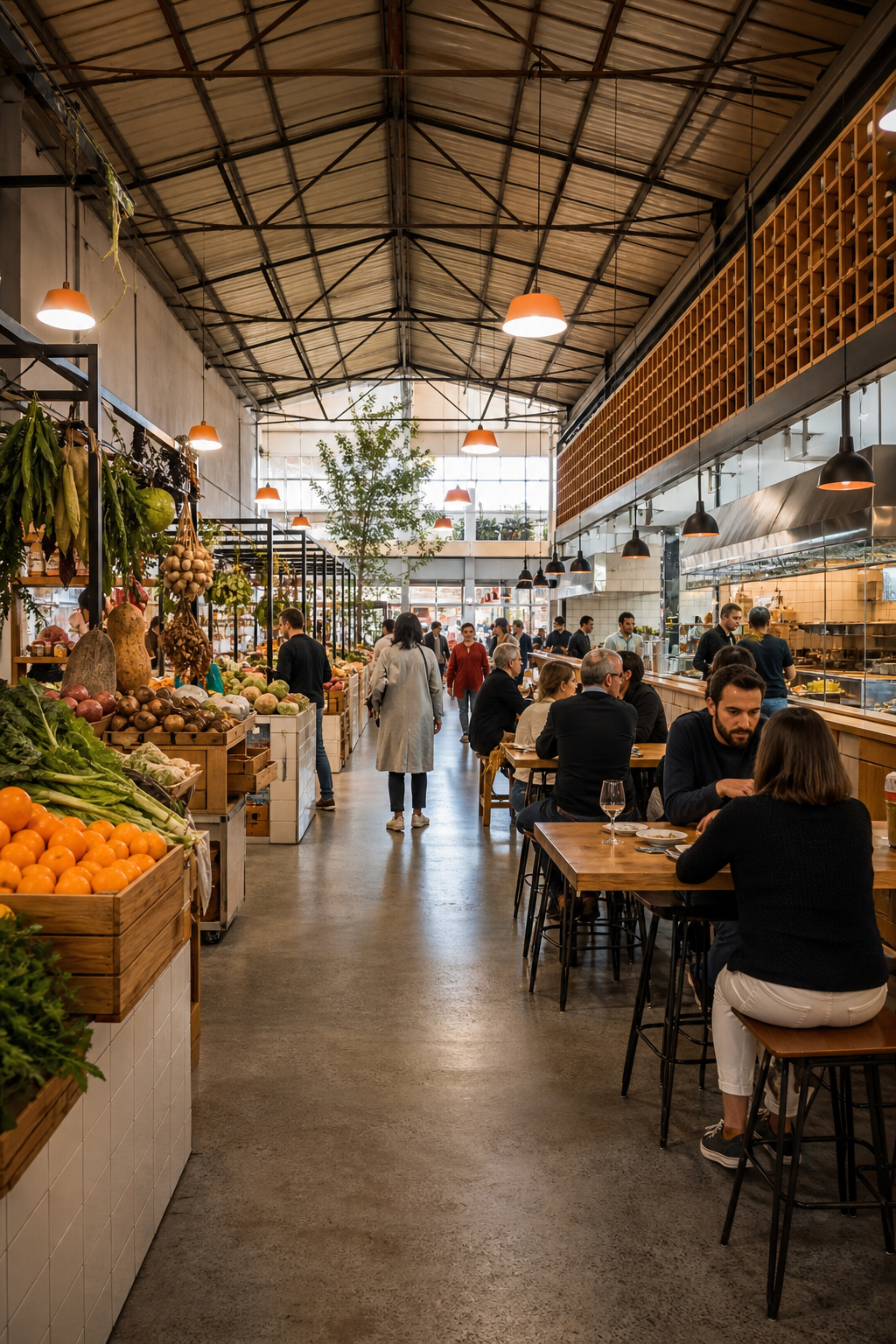
Campo de Ourique is the most gastronomic neighborhood in Lisbon, and its market has been the center of that identity since 1934. It was the first market in the city to add a food court, which tells you something about the neighborhood’s appetite for eating well. The gourmet section was added in 2013, and the result is a space where traditional produce stalls and proper restaurant counters sit side by side without feeling awkward.
The vendors here know their regulars by name. That’s not a cliché for this market , it’s the actual texture of the place. You walk in and it feels like someone’s kitchen rather than a tourist attraction. Signature dishes include pica pau (a pork or beef dish in mustard sauce) and solid hummus and falafel options that reflect the neighborhood’s international food culture.
Hours run Monday to Thursday and Sunday from 10am to 11pm, with Friday and Saturday extending to 1am. The address is Rua Coelho da Rocha, 104. Getting there is easy on the 28E tram, which ends its route right in Campo de Ourique.
The caveat: this is a smaller, intimate market. If you’re expecting the scale of the Time Out Market, you’ll be surprised by how quiet it is. That’s the point. It’s a neighborhood spot, not a food festival. Go for the pica pau and stay for the atmosphere.
This is the market for people who take seafood seriously. Mercado 31 de Janeiro sits in the Saldanha neighborhood and opens at 7am, closing just after lunch. That window is the whole point. The fish and seafood here is as fresh as it gets in Lisbon, and the vendors are happy to tell you what came in that morning.
Beyond fish, the market has seasonal fruit and vegetables, freshly ground coffee, spices, cheese, and charcuterie. The market includes a small eat‑in area where you can enjoy dishes on the spot. There are also other food stalls offering different cuisines. The address is Rua Eng.º Vieira da Silva, and it runs Monday to Saturday from 7am to 2pm.
Portugal’s relationship with seafood runs deep. Portuguese cuisine has historically centered on fish, particularly sardines and bacalhau (salt cod), with sardines considered one of the country’s most culturally significant foods. At Mercado 31 de Janeiro, that tradition shows up in the sheer variety and quality of what’s on the stalls each morning.
The honest trade-off: if you’re not a morning person, this market isn’t for you. By early afternoon the best stalls are winding down. Plan to arrive before 10am for the widest selection. It’s also a working market, not a food hall, so don’t expect polished signage or a glossy atmosphere. That’s part of why locals love it.
Pro Tip: Combine Mercado 31 de Janeiro with a walk through Saldanha before the neighborhood gets busy. The market is quietest and freshest between 7am and 9am on weekdays.
Alvalade Norte is the kind of market where you can do your weekly grocery shop and stop for a proper coffee and a pastry without the trip feeling rushed. It’s spacious and clean, which sounds like a low bar, but in a city where some markets feel cramped, that matters. The address is Av. Rio de Janeiro, 1700-330 Lisboa.
If you’re deciding where to stay in Lisbon, the Best Neighborhoods to Stay in Lisbon guide helps you pick a base near this market.
The market runs Tuesday to Saturday, with most stalls open in the morning. You’ll find fresh seafood, meats, artisanal breads, cheese, and local produce. Several cafes around the market floor make it easy to sit down, people-watch, and eat something made that morning. Reviewers consistently note the high quality of the fresh produce here, though some flag that fish prices can run high, reflecting broader cost pressures in Lisbon right now.
It’s a good pick for families. The layout is open, there’s no pressure to buy, and the atmosphere is genuinely local rather than tourist-facing. The market also hosts seasonal events including Christmas markets and cultural workshops, so the calendar is worth checking if you’re visiting around a holiday.
Getting there is straightforward by metro or bus. A new parking facility with 233 spaces is under construction, but street parking nearby can be limited, so public transport is the usable choice. Entry is free.
Mercado de Arroios sits in the Alto do Pinais area and is probably the most genuinely local market on this list. It reopened in 2017 after a renovation that kept the traditional fruit, vegetable, bread, meat, and fish stalls while adding a more diverse food offer. The result is a market that feels lived-in rather than designed for visitors.
The food here is specific. Baba ganoush appears on the menu, which is not something you’d expect from a Lisbon neighborhood market. That reflects the broader character of Arroios, one of the city’s most multicultural neighborhoods. The market also has Mezze, a restaurant that grew out of a project supporting the integration of Syrian refugees, and an artisan bakery offering unique items.
Hours are Monday to Saturday from 7am to 2pm, closed on Sundays. The address is Rua Ângela Pinto, 40D. It’s a short walk from Anjos metro station.
If you want to understand how Lisbon actually eats rather than how it performs for tourists, Arroios is the right stop. It’s not the flashiest market on this list, but it’s the one where you’re most likely to end up in a real conversation with a vendor about what to cook for dinner.
Key Takeaway: Mercado de Arroios is the pick for travelers who want a genuinely local market experience over a curated food hall , plan to arrive before 11am for the widest selection.
Algés is in the Belém area, which means most visitors walk right past it on their way to the Jerónimos Monastery or the Pastéis de Belém pastry shop. That’s a mistake. The market opened in 1950 and was fully renovated in 2015, adding a gourmet space alongside the traditional produce stalls. The result is a market that works for both a quick lunch stop and a longer evening out.
The garlic prawns here are the signature dish and worth ordering specifically. The market has a cultural animation concept that brings live events into the space, so evenings can feel more like a social gathering than a food hall visit. Hours run Sunday to Thursday from 11am to midnight, with Friday and Saturday extending to 2am. The address is Rua Luís de Camões, 14.
The longer evening hours make Algés a different kind of visit than the early-morning markets on this list. You can pair it with a late afternoon walk along the Tagus riverfront in Belém and turn the market into dinner rather than breakfast. If you’re planning a day trip out to Sintra or Cascais, Algés is a natural stop on the way back into the city. The best day trips from Lisbon often pass through Belém, making Algés an easy add to that kind of itinerary.
One honest note: Belém gets busy with tourists, and the market reflects that to some degree. It’s not as raw and local as Arroios or 31 de Janeiro. But the food quality is high and the evening atmosphere is genuinely good.
Everyone talks about the Time Out food hall side of Mercado da Ribeira. Fewer people mention that there’s still a traditional market running alongside it, where vendors who have been here for decades sell flowers, vegetables, fruit, fish, bread, and cheese. That side of the market closes at 2pm. The food hall stays open until midnight on weeknights and 2am Thursday through Saturday.
The building itself dates back to the 19th century as the city’s main wholesale market. By 2000 it had fallen into disuse. The Time Out renovation in 2014 brought it back to life, and the food hall now has 34 culinary stalls. Renowned chefs have outposts here. The quality is high. So are the prices, relative to the neighborhood markets elsewhere on this list.
The traditional stall side is where we do our own shopping when we’re in Lisbon. The quality is high, the prices are lower than the food hall, and it’s one of the few places in Cais do Sodré that still feels like the city before the renovation wave. Worth arriving before noon to catch it at its best.
Getting there is simple: metro to Cais do Sodré, which is directly across the street. It’s also walkable from Chiado. The address is Av. 24 de Julho, 48.
If the main hall is too loud, several stalls have counter seating on the periphery where you can watch the chefs work without the full chaos of the communal tables. A few restaurants also have outdoor seating. Go at 5pm on a weekday if you want to avoid the worst crowds.
Mercado de Alvalade is the right stop if you’re spending a morning in the Alvalade neighborhood before heading to the Museu Nacional do Azulejo or the Estádio José Alvalade. It opens at 7:30am Monday through Saturday and closes at 2pm, so it fits naturally into an early start. The signature food here is fresh fish, and the stalls are set up for people buying to cook rather than eating on the spot.
Alvalade is one of Lisbon’s most pleasant residential neighborhoods, designed in the 1940s with wide boulevards and low-rise apartment blocks. The market fits that character: functional, well-organized, and not trying to be anything other than what it is. Visitors wanting an authentic market experience before sightseeing will find it here without the tourist overlay that comes with the Ribeira area.
The neighborhood has two distinct markets, Alvalade and Alvalade Norte, within a short distance of each other. If you’re making a morning of it, you can visit both and still be done before lunch. The Alvalade district is also one of the few parts of central Lisbon that still has a genuinely residential feel, which makes the market visit feel like a real window into how the city lives rather than a performance of it.
One caveat: this is a produce-first market. If you’re looking for a sit-down meal or a food court atmosphere, this isn’t the right pick. Come for the fish, the bread, and the chance to see a Lisbon neighborhood operating on its own terms.
The right market depends almost entirely on when you’re visiting and what you want from it. Here’s a simple decision frame:
One usable note on prices: the Time Out food hall at Mercado da Ribeira is the most expensive option on this list. A meal there will cost noticeably more than eating at the neighborhood markets. That’s not a reason to skip it, but it’s worth knowing before you go. Budget travelers will eat better and cheaper at Arroios or 31 de Janeiro.
If you want to combine multiple markets into a single day, map the neighborhoods first. Cais do Sodré, Campo de Ourique, and Belém are all on the western side of the city and can be linked by tram or a short Uber. Alvalade and Arroios are further east and work better as a separate morning itinerary.
Mercado da Ribeira, also known as the Time Out Market, is the most famous food market in Lisbon. It’s located in Cais do Sodré, open daily from 10am to midnight (2am on weekends), and has 34 food stalls run by some of Portugal’s best-known chefs. It’s worth visiting, but expect crowds and prices higher than neighborhood markets.
It depends on the market. Early-morning neighborhood markets like Mercado 31 de Janeiro and Mercado de Alvalade open at 7am and close around 2pm. The Time Out Market at Mercado da Ribeira opens at 10am and stays open until midnight or later. The average daily open window across Lisbon’s markets is around 8 hours, but the range runs from 6 to 14 hours.
Mercado de Arroios is the most locally-oriented market on this list. It’s in the multicultural Arroios neighborhood, runs Monday to Saturday from 7am to 2pm, and has a food offer that reflects the area’s diverse community rather than tourist expectations. Mercado 31 de Janeiro in Saldanha is also strongly local, particularly for seafood buyers.
Yes, but go in with honest expectations. The food quality is high and the atmosphere is lively, but it’s expensive relative to neighborhood markets and can be very crowded. The traditional stall side of Mercado da Ribeira, which closes at 2pm, is a better pick if you want lower prices and a more authentic feel. Visit the food hall side at 5pm on a weekday to avoid the worst of the crowds.
At the Time Out Market, try bacalhau à brás, a signature egg dish, and fresh pastel de nata. At Mercado 31 de Janeiro, focus on the fresh fish and seasonal seafood. Mercado de Campo de Ourique is the place for pica pau. Mercado de Algés is known for garlic prawns. Mercado de Arroios offers bone marrow sandwiches.
Mercado da Ribeira is directly across from Cais do Sodré metro station. Mercado de Campo de Ourique is at the end of the 28E tram line. Mercado de Arroios is a short walk from Anjos metro. Alvalade Norte Market is accessible by several bus lines and a short walk from the metro. For Mercado de Algés in Belém, the train from Cais do Sodré runs every 10-15 minutes and takes about 15 minutes.
If you only have time for one market, Mercado 31 de Janeiro on a weekday morning is the honest pick for anyone who cares about food over atmosphere. If you want the full Lisbon experience and don’t mind the noise, the traditional stall side of Mercado da Ribeira before noon is worth it. For planning a market-focused day or building it into a wider itinerary, start with Dream Book Travel’s 3-day Lisbon itinerary to sequence the neighborhoods so you’re not backtracking across the city. You can also explore nearby day trips with our Best Day Trips from Lisbon guide.
Discover the ideal month to explore Kyoto. Our expert guide breaks down weather, festivals, costs and crowd levels so you can plan the perfect trip.
Discover the optimal months to fly to Bali, with real weather data, crowd levels and price trends to help you plan the perfect trip.
Wondering if Lisbon is worth visiting? Get a clear, honest breakdown of attractions, costs, pros and cons, plus practical tips for a smart trip.