Best Time to Visit Kyoto: Seasonal Guide for 2026
Discover the ideal month to explore Kyoto. Our expert guide breaks down weather, festivals, costs and crowd levels so you can plan the perfect trip.
Lisbon is worth visiting. That’s the short answer. The longer one is that it depends on what you want, what you’re willing to spend, and whether you go in knowing what the city actually is versus what Instagram says it is.
We’ve been through the guides, the forums, and the city itself. Here’s what no one tells you upfront.
Lisbon sits at the mouth of the Tagus River, and that geography shapes everything. The light here is different from other European capitals. It bounces off the water and the white limestone buildings in a way that makes the city look almost golden by late afternoon. That’s not a cliche. It’s the actual reason photographers and painters have been obsessed with this place for centuries.
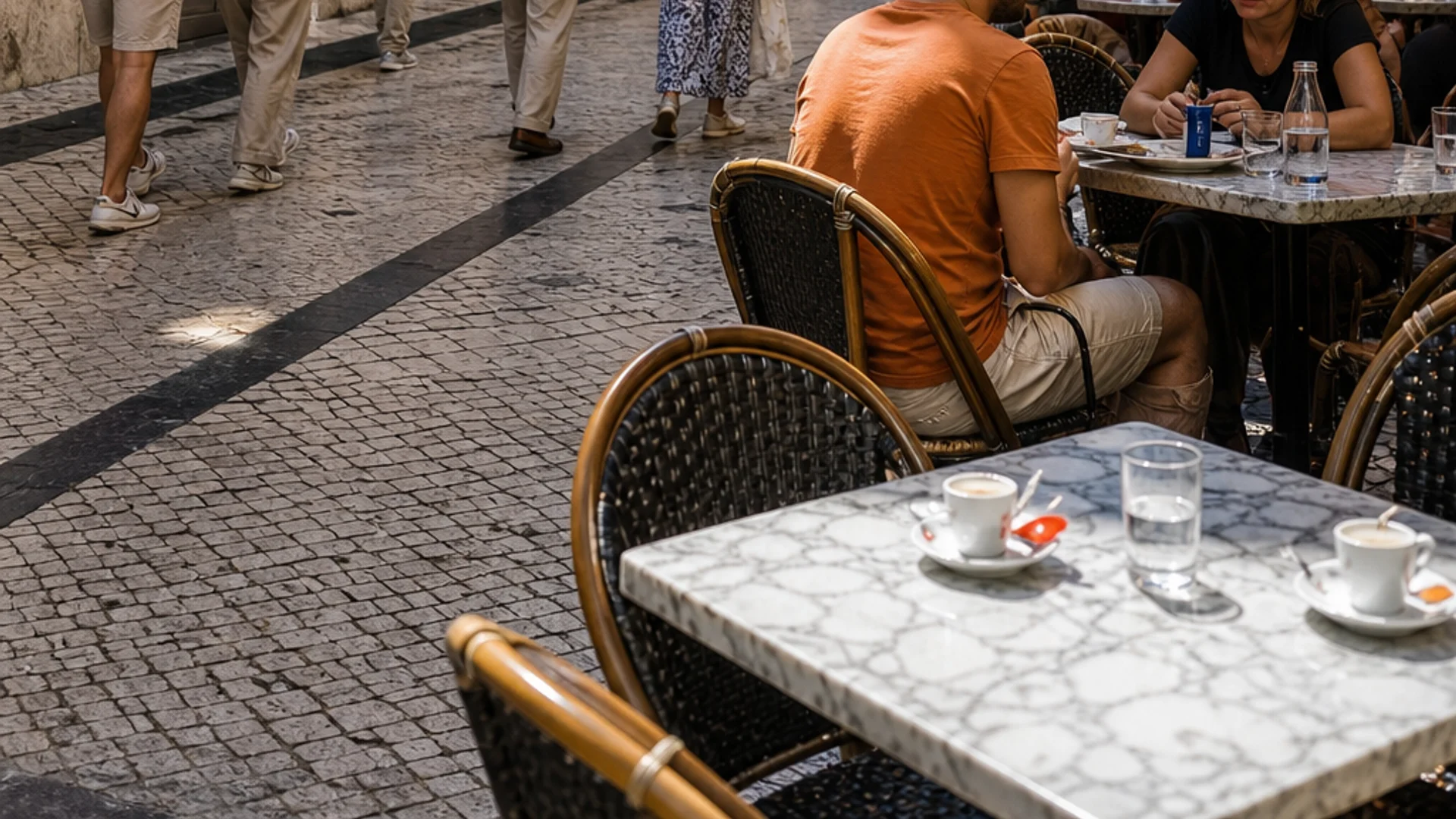
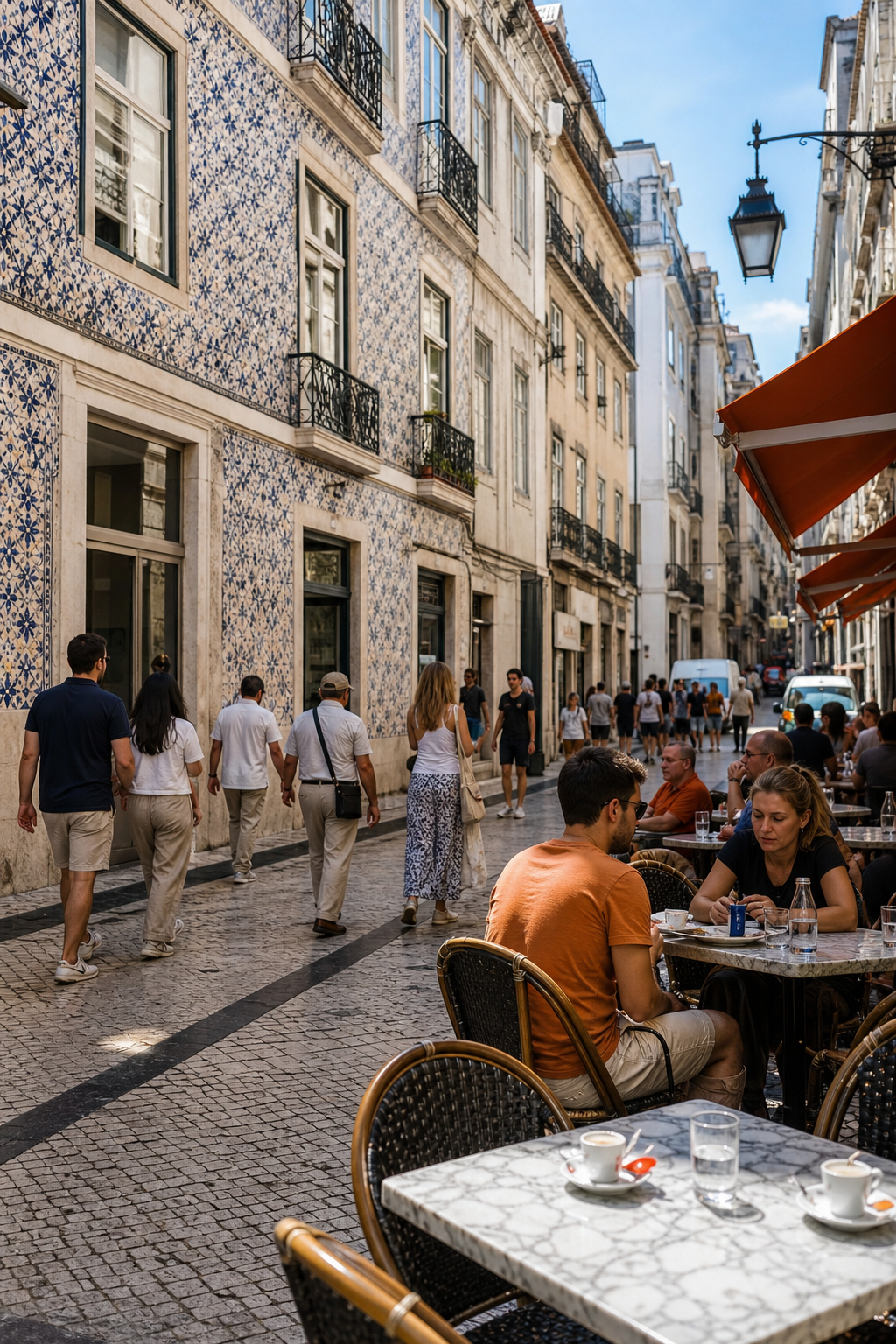
The city is built on hills, which gives every neighborhood a distinct feel. Alfama, the oldest district, survived the 1755 earthquake that leveled most of the city. Walking its narrow cobblestone streets gives you a sense of what pre-quake Lisbon looked like. A historic hilltop fortress overlooks the area. The city’s main cathedral lies down the hill. Fado music, Portugal’s melancholic and mesmeric genre, was born here and still plays in small restaurants most nights.
Below Alfama, the flat grid of Baixa was rebuilt after the earthquake under the direction of the Marquês de Pombal. It’s the most usable base in the city for anyone who struggles with hills. Praça do Comércio opens onto the river, and an iconic arch frames the view perfectly. Further west, Chiado and Bairro Alto sit uphill and offer a mix of historic cafés, independent shops, and some of the best nightlife in the city.
Parque das Nações, on the eastern waterfront, is a different Lisbon entirely; it’s a modern, quieter area with a cable car, Europe’s second-largest aquarium, and a waterfront promenade with public art. If you’re traveling with kids or just want a break from the cobblestones, it’s worth a half-day.
What makes Lisbon genuinely distinct from other Western European capitals is that it still feels like a real city. The food scene is excellent and underrated. The bars are lively without being manufactured. And compared to Paris, Amsterdam, or Barcelona, prices are still meaningfully lower, even after the post-pandemic surge in tourism.
The one honest caveat: Lisbon is no longer an overlooked city. The expat and digital nomad community has grown significantly, and tourist numbers have climbed every year. You’ll feel that in Alfama on a summer weekend. The charm isn’t gone, but you have to be a little more deliberate about finding it.
Key Takeaway: Lisbon’s combination of distinct neighborhoods, genuine food culture, and lower prices than comparable European capitals makes it one of the most rewarding city trips in Western Europe right now.
Lisbon is cheaper than most Western European capitals, but it’s not cheap the way it was five years ago. Here’s what you’re actually looking at in 2026.
Accommodation: Budget hostels in central neighborhoods run roughly €25 to €45 ($27 to $49) per night for a dorm bed. Mid‑range boutique hotels in Chiado or Baixa typically cost more, with rates varying by season and booking time. Short‑term rental apartments in central areas also vary widely, with pricing dependent on season and property.
Food and drink: A coffee at a neighborhood café is inexpensive, and a pastel de nata is a budget‑friendly treat. A sit‑down lunch at a local tasca runs €10 to €15 ($11 to $16) with wine. Dinner at a mid‑range restaurant is €25 to €45 ($27 to $49) per person.
Transport: Public transport is affordable, with single tickets priced modestly. The Viva Viagem card, which you load with credit, makes sense for a short stay. Unlimited daily transport passes are also available. Taxis within the city centre are reasonably priced.
Attractions: Rough Guide notes that many historic sites have modest entry fees. The Jerónimos Monastery in Belém is €12 ($13.10). Many churches and viewpoints are free. The LisboaCard, which covers public transport and entry to many museums, can be worthwhile if you plan multiple paid sites in a day.
A realistic daily budget for a mid‑range traveler covers accommodation, meals, transport, and a couple of paid attractions. Budget travelers staying in hostels and eating at local tascas can get by on a tighter budget.
Lonely Planet suggests three days as a baseline stay, and that’s a reasonable minimum for seeing the main neighborhoods without rushing. If you want to add a day trip to Sintra or Cascais, budget an extra day and roughly €20 to €35 ($22 to $38) for train tickets and entry fees.
Not everything in Lisbon deserves your limited hours. Here’s what’s genuinely worth it, and one thing you can skip.
Alfama on a weekday morning. Come before 10am. The tuk-tuks aren’t running yet, the streets are quiet, and you can actually hear the fado drifting from someone’s window. The São Vicente de Fora Monastery has decorative tiles covering entire rooms, floor to ceiling. It’s one of the more striking interiors in the city.
Belém District. The Jerónimos Monastery is fully wheelchair accessible and genuinely impressive. The nearby historic tower is photogenic from the outside but the interior can feel cramped, so you may choose to skip it. If your time is short, walk past it and spend the saved hour at the monastery instead. If you’re building a Lisbon itinerary over three days, Belém works well as a half-day on day two.
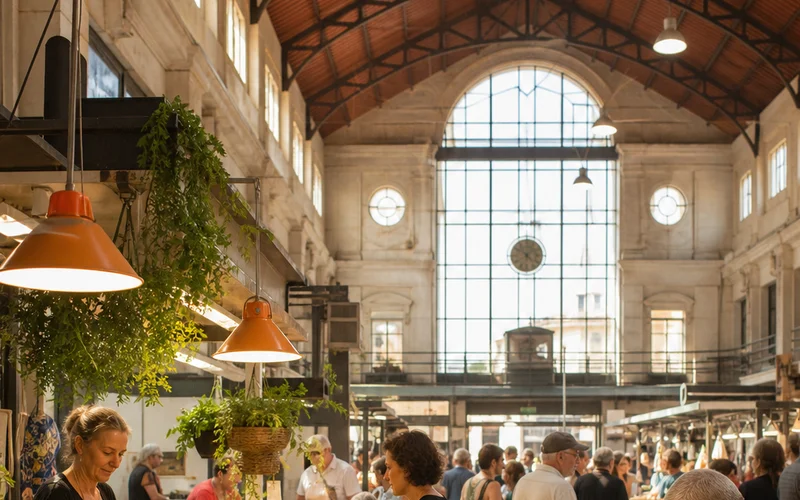
Food market. The food hall format gets copied everywhere now, but this one still works. It’s loud, it’s busy, and the quality from the stalls is genuinely high. Go for lunch on a Tuesday or Wednesday to avoid the worst of the weekend crowds.
Bairro Alto at night. Tiny bars open their doors onto the street. Candle-lit restaurants serve bacalhau and grilled fish. The energy on a Friday night is hard to replicate anywhere else in Europe at this price point. The classic funicular up the hill has a modest fare and offers a pleasant ride.
The viewpoints (miradouros). Miradouro da Graça gives you a better view than the more famous Portas do Sol, with fewer people. Go at sunset. Bring a beer from the kiosk. This costs nothing and is one of the best hours you can spend in the city.
Pro Tip: The historic tram line is famous for a reason, but it’s also packed with tourists and pickpockets. Walk the Alfama route instead. You’ll see the same streets, move at your own pace, and keep your phone in your pocket.
For anyone thinking about leaving the city for a day, the options are strong. Sintra’s palaces are legitimately impressive and only 40 minutes by train from Rossio station. Cascais is a quieter coastal town worth an afternoon. We’ve covered the best day trips from Lisbon in detail if you want the full breakdown with prices and transit logistics.
Every honest travel guide has a section like this. Here are the things that might actually affect your trip.
The hills. Lisbon is genuinely steep in places. Alfama, Bairro Alto, and Mouraria all involve serious climbing on uneven cobblestones. If you have mobility limitations, this matters more than most guides acknowledge. Many sidewalks have lowered curbs, but fully accessible attractions and step‑free restaurant entrances are rare. The Jerónimos Monastery in Belém is a notable exception. For anyone using a wheelchair or with limited mobility, Baixa and Parque das Nações are the most manageable areas.
Crowds in peak season. July and August in Alfama are genuinely overwhelming. Tuk‑tuk congestion on the narrow streets makes walking feel like an obstacle course. The city hasn’t solved this. If you can travel in April, May, or October, the experience is meaningfully better and prices drop.
Historic tram and tourist traps. The famous tram is a pickpocket hotspot and often so packed you can’t enjoy it. The Alfama restaurants closest to the main viewpoints charge two to three times what you’d pay two streets over for the same food. Walk one block in any direction and the prices change.
Noise in central neighborhoods. Baixa and Chiado are lively. That’s part of the appeal, but if you’re a light sleeper, pick accommodation carefully. Some streets carry traffic noise until late. Reading recent reviews specifically for noise is worth the extra ten minutes before booking.
The growing expat effect. Lisbon has changed. Rents have risen sharply, some longtime local businesses have closed, and certain neighborhoods feel more international than Portuguese. This isn’t a reason to skip the city, but it’s worth knowing that the Lisbon of ten years ago is different from the one you’ll visit now. The soul is still there. You just have to look a little harder for it.
A few things that make a real difference.
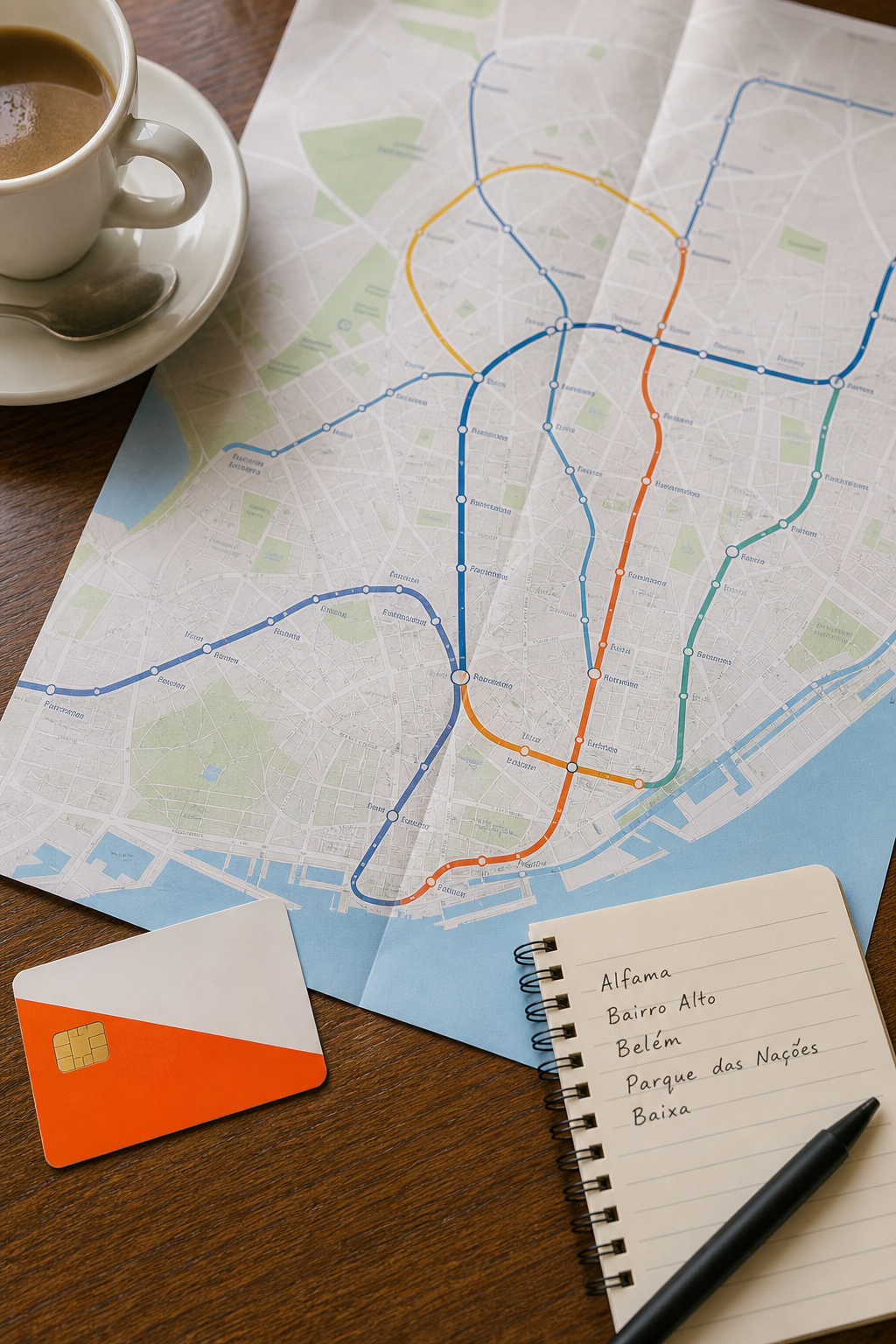
Get a public transit card immediately. Purchase it at any metro station and load it with credit. It covers metro, buses, and trams. Avoid buying single tickets each time. The card quickly pays for itself.
Stay in the right neighborhood for your trip. Chiado gives you the best balance of walkability and access to major sights. Baixa is flat and usable if hills are a concern. Alfama is atmospheric but hilly and loud on weekends. Príncipe Real is quieter and slightly more upscale. We’ve written a detailed guide to the best neighborhoods to stay in Lisbon with honest trade‑offs for each area if you want to dig into this before booking.
Eat where the menus aren’t in six languages. The best tascas have handwritten menus or a chalkboard with three or four options. Order the dish of the day (prato do dia). It’s almost always the freshest thing and usually the best value.
Check guidebooks for historic site tickets. Guidebooks such as Lonely Planet recommend booking tickets for major attractions in advance to avoid queues. The same applies for the Jerónimos Monastery.
Timing matters more than most people realize. The city in April and May is genuinely different from August. Cooler, quieter, and cheaper. October is similarly good. If you’re flexible on dates, this single decision affects your experience more than almost anything else you’ll plan.
Planning what to pack for a city with variable spring weather and a lot of walking? The layering principles that work for San Francisco’s microclimates, as covered in this guide to San Francisco spring outfits, translate well to Lisbon’s shoulder season: light layers, comfortable walking shoes, and a packable jacket for the evenings.
At Dream Book Travel, we put together destination guides specifically to answer the questions that generic travel sites gloss over. If you want the day‑by‑day breakdown, the transit logistics, and the real budget numbers for a Lisbon trip, that’s exactly what our on‑the‑ground content covers.
Yes. Three days is enough to cover the main neighborhoods, eat well, and specifically recommends a three-day stay, and that’s a solid baseline. If you can add a fourth day, use it for a day trip to Sintra or Cascais rather than trying to squeeze more into the city itself.
Lisbon is cheaper than Paris, Amsterdam, or London, but it’s no longer the bargain it was before 2020. Mid-range travelers should expect moderate daily costs for accommodation, meals, and transport, while budget travelers can keep expenses low by staying in hostels and eating at local tascas.
April, May, and October are the best months. The weather is warm but not oppressive, crowds are significantly smaller than in summer, and prices for accommodation drop noticeably. July and August are the most popular months but also the most crowded and expensive. If summer is your only option, go early in the morning and avoid Alfama on weekends.
Lisbon is generally safe. The main concern is petty theft, particularly on popular trams and in crowded tourist areas like Alfama’s main viewpoints. Keep your phone in a front pocket, use a crossbody bag, and don’t leave belongings unattended at outdoor café tables. Violent crime targeting tourists is rare.
Partially. Many sidewalks have curb cuts, and Baixa’s flat grid is manageable. But Alfama, Bairro Alto, and most historic neighborhoods involve steep hills and cobblestones. Many major attractions have steps at the entrance. The Jerónimos Monastery in Belém is one of the few fully accessible major sites. Anyone with significant mobility limitations should plan their neighborhood and itinerary carefully before arriving.
Three days covers the city well. Day one for Alfama and Baixa, day two for Belém and the waterfront, day three for Chiado, Bairro Alto, and a miradouro at sunset. Add a fourth day if you want a day trip. Most guides don’t give you a straight answer on this, which is one of the gaps Dream Book Travel specifically tries to fill.
Lisbon is worth visiting. It has real history, a food scene that outpunches its reputation, and a pace that still feels human compared to most European capitals. Go in knowing the hills are real, the summer crowds are real, and the best parts of the city reward a little effort to find. If you want the full day‑by‑day plan with transit logistics and honest budget numbers, our three-day Lisbon itinerary is the place to start.
Discover the ideal month to explore Kyoto. Our expert guide breaks down weather, festivals, costs and crowd levels so you can plan the perfect trip.
Discover the top Lisbon food markets, what to eat, how to get there, and insider tips for a true culinary adventure.
Discover the optimal months to fly to Bali, with real weather data, crowd levels and price trends to help you plan the perfect trip.