
How to Find Cheap Flights to Europe: A Practical Guide
Learn proven steps to find cheap flights to Europe in 2026, from flexible dates and price alerts to optimal booking windows and low‑cost airports.
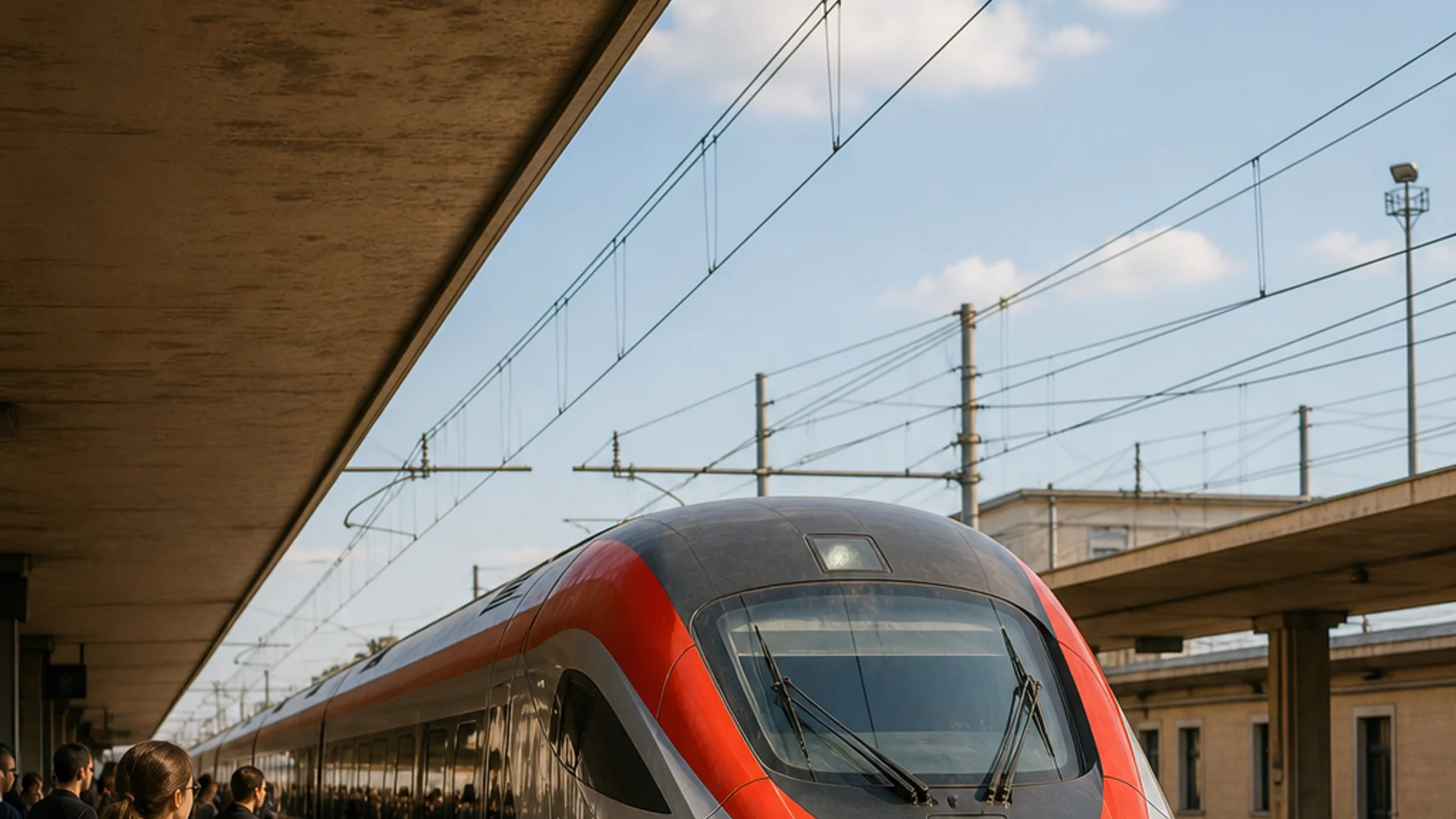
Italy’s rail network is one of the most usable in Europe, but the ticket system trips up almost every first-timer. Most travelers assume reservations are optional and passes are cheap. They’re not always either. Here’s exactly what to do, in order, so you don’t waste money or miss a train.
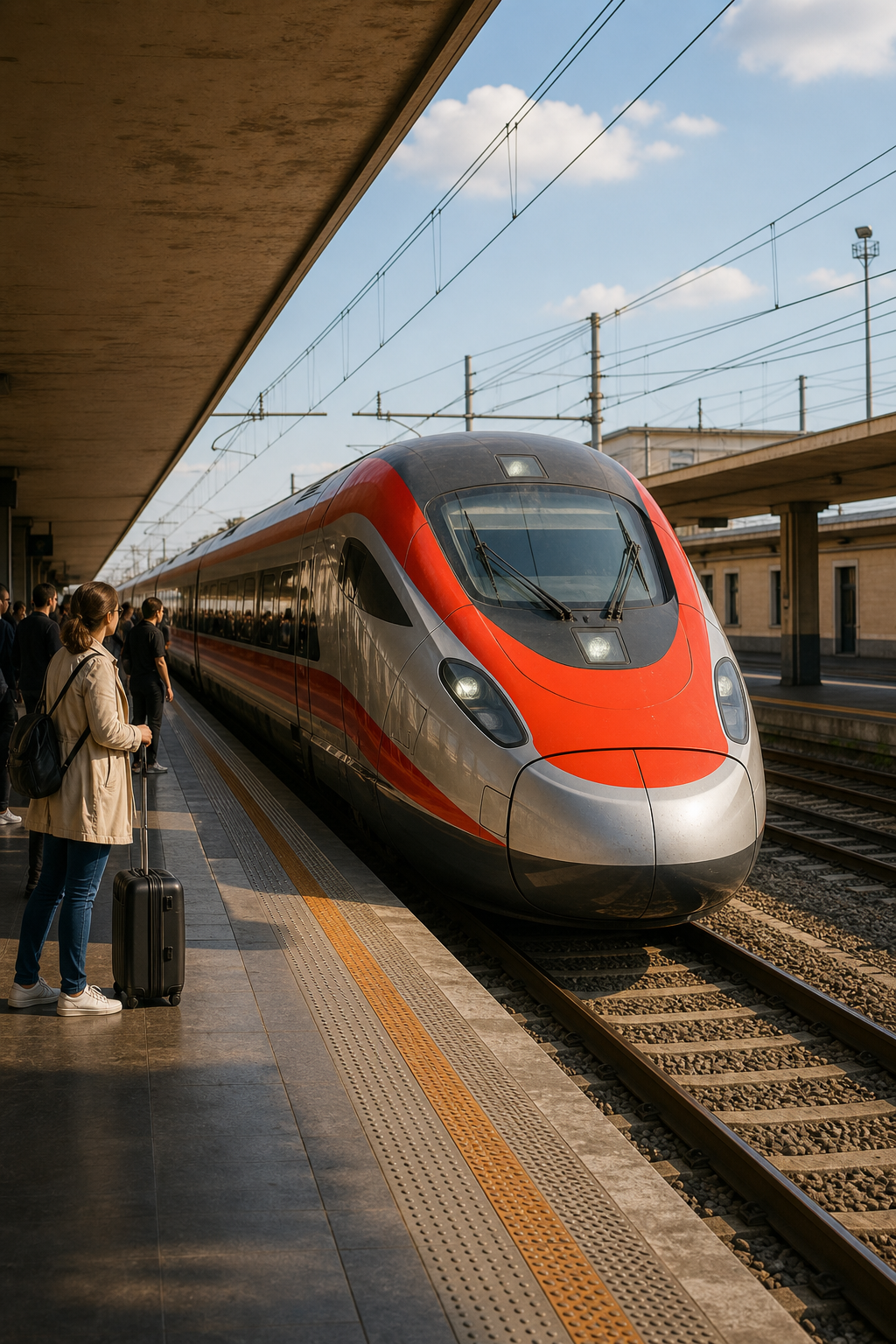
Italy has two main train operators: Trenitalia, the state-run company, and Italo, a private competitor. Both run high‑speed services between major cities. Which one you pick matters less than which fare type you choose within each.
Trenitalia offers three core fare tiers on its high‑speed Le Frecce trains. The Base fare is the most flexible: you can change the booking up to one hour after a missed departure, and it’s refundable. The Economy fare costs less but allows no refund, though you can change the date before departure by paying the price difference. The Super‑Economy fare is the cheapest and also the most brutal: no changes, no refund. The fare rules spell out every condition, and it’s worth reading before you buy.
Italo offers several fare types—including Flex, Economy, and Low‑cost—all only on its fast trains between major cities and not on regional routes.
For regional trains, Trenitalia’s Ordinaria fare is the one to know. It has no reservation requirement, and you can change the date or time free of charge up to 23:59 the day before travel. That flexibility makes it the right call for slower, shorter hops between smaller towns.
Key Takeaway: If your plans might change, pay a little more for Base or Flex. If your dates are locked, Super Economy saves money but leaves zero room for error.
One thing the guides won’t always tell you: 9 out of 11 fare types on Italy’s fast trains require a mandatory seat reservation. That reservation is included in most ticket prices, but if you’re using a rail pass, it’s an extra charge on top. More on that in Step 4.
Book directly through Trenitalia’s website or the Italo website. Both have English-language versions. Avoid third‑party booking platforms where possible; they often add booking fees that the official sites don’t charge. Italo’s website does not charge booking fees when you purchase directly.
For Trenitalia, use the Italian city names when searching, even on the English version of the site. Type “Firenze” not “Florence,” “Roma” not “Rome,” “Venezia” not “Venice.” The search engine doesn’t recognize English spellings, and you’ll get no results if you use them.
On high-speed trains, your ticket includes a specific seat reservation. You’re assigned a car and seat number. On regional trains with Ordinaria fare, there’s no assigned seat. You board and sit wherever there’s space. This is fine for short trips but uncomfortable on a two-hour regional journey with a full train.
When booking on Italo, you can select your preferred seat type at checkout. Options include window seats, aisle seats, seats with a small table, and single seats for more privacy. It’s worth spending 30 seconds on this, especially for longer routes.
If you’re planning a multi-city trip, the must-see cities in Italy guide on Dream Book Travel is a good place to map your route before you start buying tickets. Knowing your city order in advance means you can buy all your tickets in one session and pick the best fare for each leg separately.
Booking windows vary by fare. Speciale Frecce fares require purchase at least 14 days ahead. Base fares must be bought by midnight the day before travel. Some flexible tickets can be bought minutes before departure. So “book early to save money” is true for some fares and irrelevant for others.
Pro Tip: If you’re traveling in peak season (June through August), book high-speed tickets two to three weeks out. Cheap Super‑Economy and Italo Low‑cost fares sell out fast on the Rome‑Florence‑Milan corridor, and prices climb as the train fills.
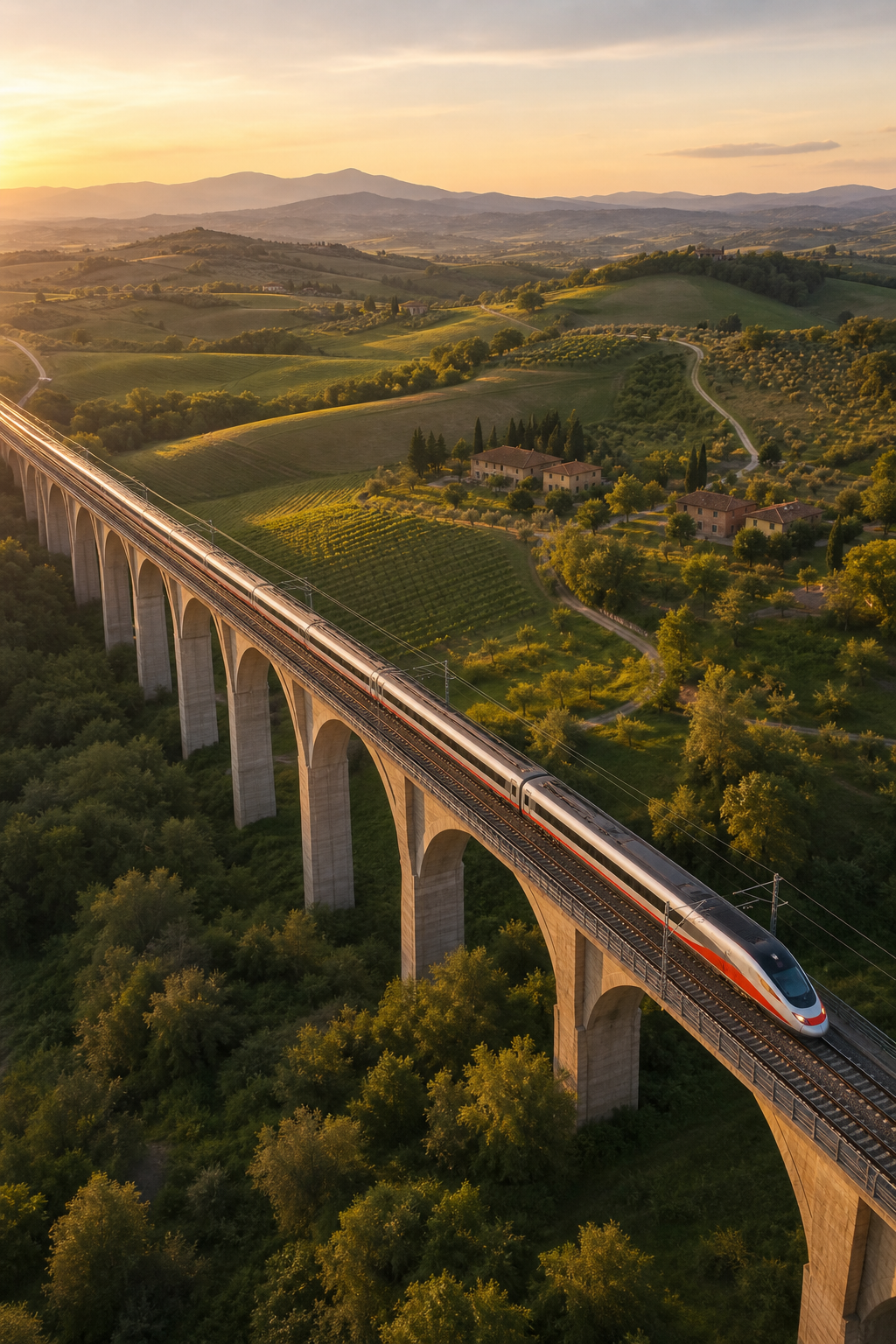
Italy’s high‑speed spine runs north to south: Turin, Milan, Bologna, Florence, Rome, Naples, Salerno. This is the main high‑speed network, and it offers frequent, fast, and easy connections if your itinerary follows this line. If you plan to continue north to Austria, see the best time to visit Vienna before booking your connection.
The Rome to Florence route is 261 km and takes about 1 hour 25 minutes on Italo’s fast service, with fares that are competitively low. Trains run throughout the day with departures roughly every 30 minutes during peak hours.
Venice sits slightly off the main spine. You reach it via a branch from Padua or from Milan, with journey times of around 2 hours 15 minutes from Milan and about 3.5 hours from Rome. Florence to Venice takes around 2 hours on the fastest services. Both Trenitalia and Italo serve this route.
For cities not on the high‑speed network, you’ll use regional trains or a combination. Getting from Rome to the Amalfi Coast, for example, means taking a high‑speed train to Naples (about 1 hour 10 minutes) and then switching to a regional Circumvesuviana service to Sorrento, from where buses and ferries cover the coast. Regional trains are slower and make more stops, but they’re also cheap and they go places the fast trains don’t.
If Venice is on your list, the things to do in Venice guide from Dream Book Travel covers the logistics of getting around once you arrive, including how to handle the walk from the train station to the main island. For deeper cultural context, you might also enjoy my favorite Venice books.
One honest caveat: regional trains in southern Italy run less frequently and delays are more common than on the high‑speed network. Build buffer time into connections, especially if you’re catching a flight or a ferry afterward.
The Eurail Italy Pass costs around $214 for non‑European residents and lets you take multiple train journeys within Italy over a set number of travel days. On paper, that sounds like a deal. In practice, it often isn’t.
Here’s why. Every high‑speed train in Italy requires a mandatory seat reservation even if you hold a pass. On Trenitalia’s high‑speed services, a reservation fee applies, while Intercity trains have a lower fee. If your itinerary includes several high‑speed legs, those reservation fees can add a noticeable amount to the pass price, pushing the total well above the base cost.
Compare that to buying individual tickets. Discounted fares can be very low when booked well in advance. For a five‑city trip with locked dates, individual discounted tickets will almost always beat the pass on cost. The pass makes more sense if you’re making last‑minute decisions about where to go each day, since it removes the need to buy tickets on short notice when cheap fares are gone.
| Option | Upfront cost | Reservation fees | Flexibility | Best for |
|---|---|---|---|---|
| Eurail Italy Pass | ~$214 | Reservation fee applies | High (open dates) | Spontaneous travelers, 6+ legs |
| Discounted fare | Low fare | Included | None (no changes) | Fixed itinerary, budget travel |
| Trenitalia Base fare | Higher than Economy | Included | High (changes allowed) | Flexible plans, moderate budget |
| Italo Flex | Varies | Included | High (changes allowed on fast routes) | Travelers on Italo fast trains between major cities |
| Ordinaria fare | Low fixed price | None required | High (free changes up to the day of travel) | Smaller towns, slow travel |
Two Trenitalia discount fares worth knowing: FrecciaYoung (for travelers under 26) and Senior (for travelers over 60) both offer reduced prices. The catch is they’re only available to CartaFreccia loyalty card holders with an Italian fiscal code, so most foreign visitors can’t access them. If you happen to have an Italian fiscal code, sign up for CartaFreccia before you buy any tickets.
Traveling as a couple or family? The Insieme fare on Trenitalia is designed for groups of two or more. It’s cheaper per person than individual Base fares, but availability is limited and there are no refunds or changes once booked.
If you’re also thinking about how to time your flights around your Italian rail trip, the cheapest months to fly to Europe breakdown is worth a look before you set your travel window.
Italy’s high-speed trains don’t have checked luggage. Everything comes on board with you. There are storage areas at the end of each car on newer trains, across from the bathrooms, and these work well for large rolling bags. On older regional trains, you’re relying on overhead shelves and the space under your seat. Pack light if you can. A 20-liter daypack and a carry-on-sized rolling bag is the sweet spot for two weeks of travel.
Trenitalia doesn’t accept liability for lost bags, though there is limited theft insurance on Frecce and Intercity trains. If a bag is stolen from the end-of-car storage, the insurance coverage is limited and the claim process is strict, so keep an eye on your luggage rather than relying on the insurance.
If you’re stopping midway between cities for sightseeing, most major stations have staffed luggage storage offices where you can leave bags for a fee. Lockers are rare now for security reasons, but the staffed offices work well. These services can be arranged in advance at the station.
Some stations offer a luggage‑transport service for high‑speed train passengers, allowing bags to be delivered to your next destination so you don’t have to carry them on board. Availability varies by station, and arrangements should be made in advance.
A few things worth knowing before you board. Validate your ticket if you’re on a regional train with a paper ticket. High‑speed tickets with assigned seats don’t need validation, but regional tickets do, and the fine for traveling unvalidated is steep. Look for the green or yellow validation machines on the platform before you board.
High‑speed trains have free Wi‑Fi, power outlets at most seats, and food service in the bistro car. Regional trains have none of these. Bring snacks and a portable charger if you’re spending a few hours on a regional route.
If you’re planning a longer stay and thinking about what to do once you arrive in each city, the Dream Book Travel Italy guides cover the on-the‑ground details: neighborhoods, transit within cities, and what’s genuinely worth your time versus what’s overrated.
One more thing the guides won’t always say: Italian trains run on time more often than their reputation suggests, especially on the high‑speed network. But connections between a high‑speed arrival and a regional departure can be tight. Give yourself at least 20 minutes between trains at major stations. Roma Termini is large and the platforms are spread out. Rushing a connection there with luggage is stressful.
Planning a trip that mixes rail travel with good food? Florence is worth a day or two just for eating. The best gelato spots in Florence guide gives you specific names and honest prices so you’re not wandering into the nearest tourist trap after stepping off the train.
Key Takeaway: Pack light, validate regional tickets before boarding, and give yourself 20 minutes for connections at large stations. Those three habits prevent the most common travel-day problems.
For high‑speed trains on the Rome‑Florence‑Milan corridor, booking two to three weeks ahead gets you the cheapest Super‑Economy fare or other budget options. These sell out fast in summer. For regional trains with Ordinaria fare, you can buy a ticket at the station on the day of travel, since there’s no seat assignment and prices don’t change based on availability.
For most visitors, no. The Eurail Italy Pass costs around $214, and every high‑speed train still requires a mandatory seat reservation, which incurs an additional fee. If your itinerary has four or more high‑speed legs with fixed dates, buying individual tickets is almost always cheaper. The pass makes sense mainly if you’re traveling spontaneously and can’t book far ahead.
Both run high‑speed trains between Italy’s major cities. Trenitalia is state‑owned and has a larger network including regional trains. Italo is private and only serves major city pairs on the high‑speed network. Prices are often similar, so it’s worth checking both when booking. Italo Flex, which is only available on Italo fast trains between major cities, provides more flexibility than Trenitalia’s Base fare.
Yes. There’s no luggage fee and no size limit enforced at boarding. High‑speed trains have storage areas at the end of each car for large bags. Older regional trains rely on overhead shelves, which don’t fit large rolling suitcases well. Trenitalia doesn’t take responsibility for lost luggage, so keep your bags visible or use a luggage delivery service available on some high‑speed trains.
High‑speed tickets with an assigned seat don’t need validation. Regional tickets on Trenitalia with Ordinaria fare must be validated before boarding. Look for the green or yellow stamping machines on the platform or in the station concourse. Insert the ticket and wait for the stamp. Traveling on an unvalidated regional ticket can result in a fine even if you have a valid ticket.
For high‑speed trains, 15 to 20 minutes before departure is enough. There’s no check‑in process. Find your platform number on the departure boards, locate your car and seat number on the platform signs, and board. For connections between a high‑speed arrival and a regional departure, give yourself at least 20 minutes, especially at large stations like Roma Termini or Milano Centrale.
Italy by train is genuinely one of the better ways to see the country, but only if you pick the right fare for how you actually travel. Locked dates mean go cheap with Super Economy or Low-cost. Flexible plans mean pay a bit more for Base or Flex. Skip the pass unless you’re going spontaneous on six or more legs. If you want the full city‑by‑city breakdown of what to do once you step off the train, the Dream Book Travel Italy guides are where we put the on‑the‑ground detail. Start with the must-see cities in Italy guide and work outward from there.
Learn proven steps to find cheap flights to Europe in 2026, from flexible dates and price alerts to optimal booking windows and low‑cost airports.
Discover the ideal month to explore Kyoto. Our expert guide breaks down weather, festivals, costs and crowd levels so you can plan the perfect trip.
Discover the top Lisbon food markets, what to eat, how to get there, and insider tips for a true culinary adventure.