Best Time to Visit Kyoto: Seasonal Guide for 2026
Discover the ideal month to explore Kyoto. Our expert guide breaks down weather, festivals, costs and crowd levels so you can plan the perfect trip.
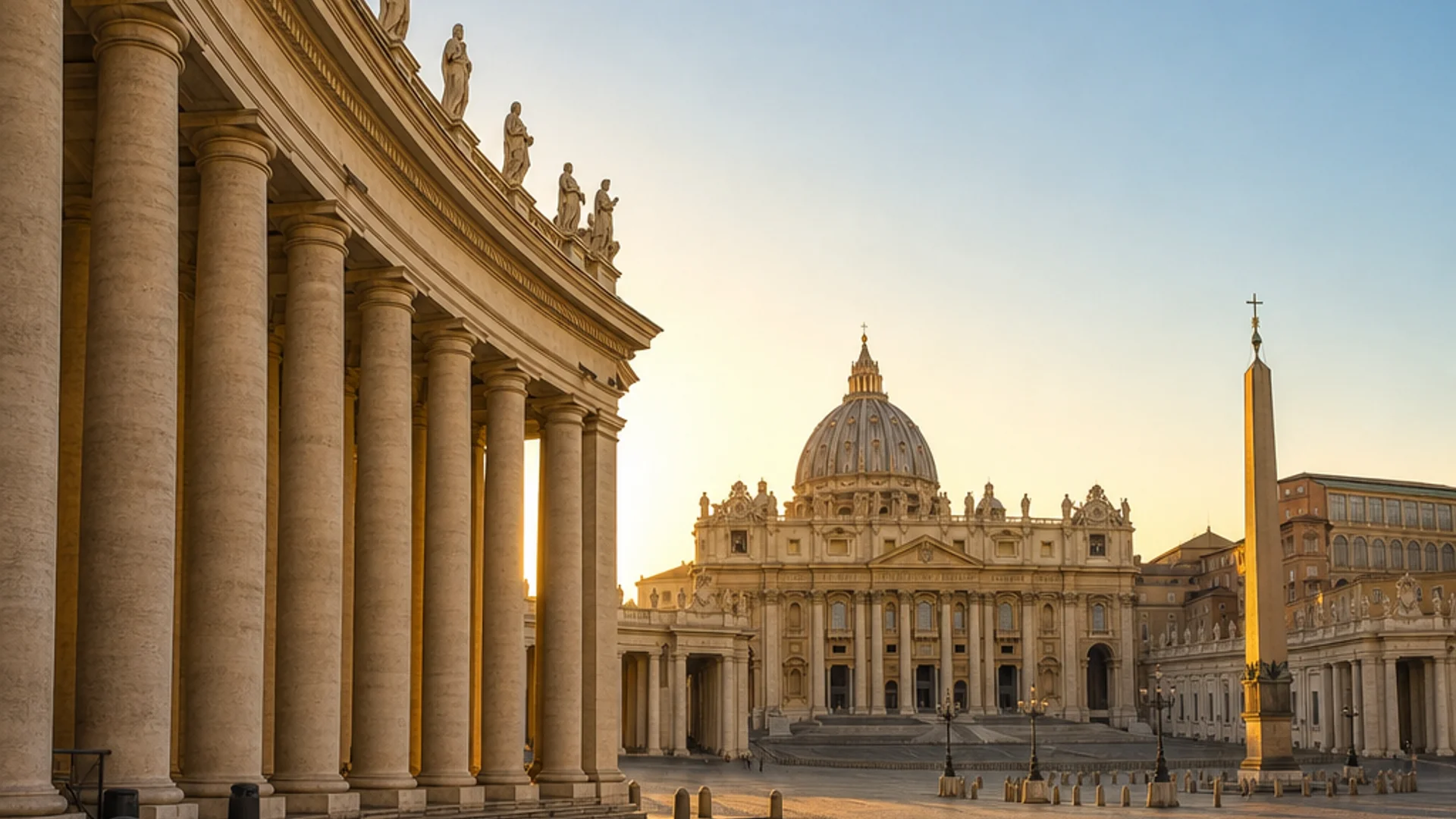
Three days in Rome sounds generous until you’re standing at the Colosseum at noon, sunburned and unsure whether to skip the Vatican or the Pantheon. We’ve put together a tight four-stop plan that covers what actually matters, tells you what to skip, and gets you out of the tourist-trap restaurants. Here’s how we’d spend it.
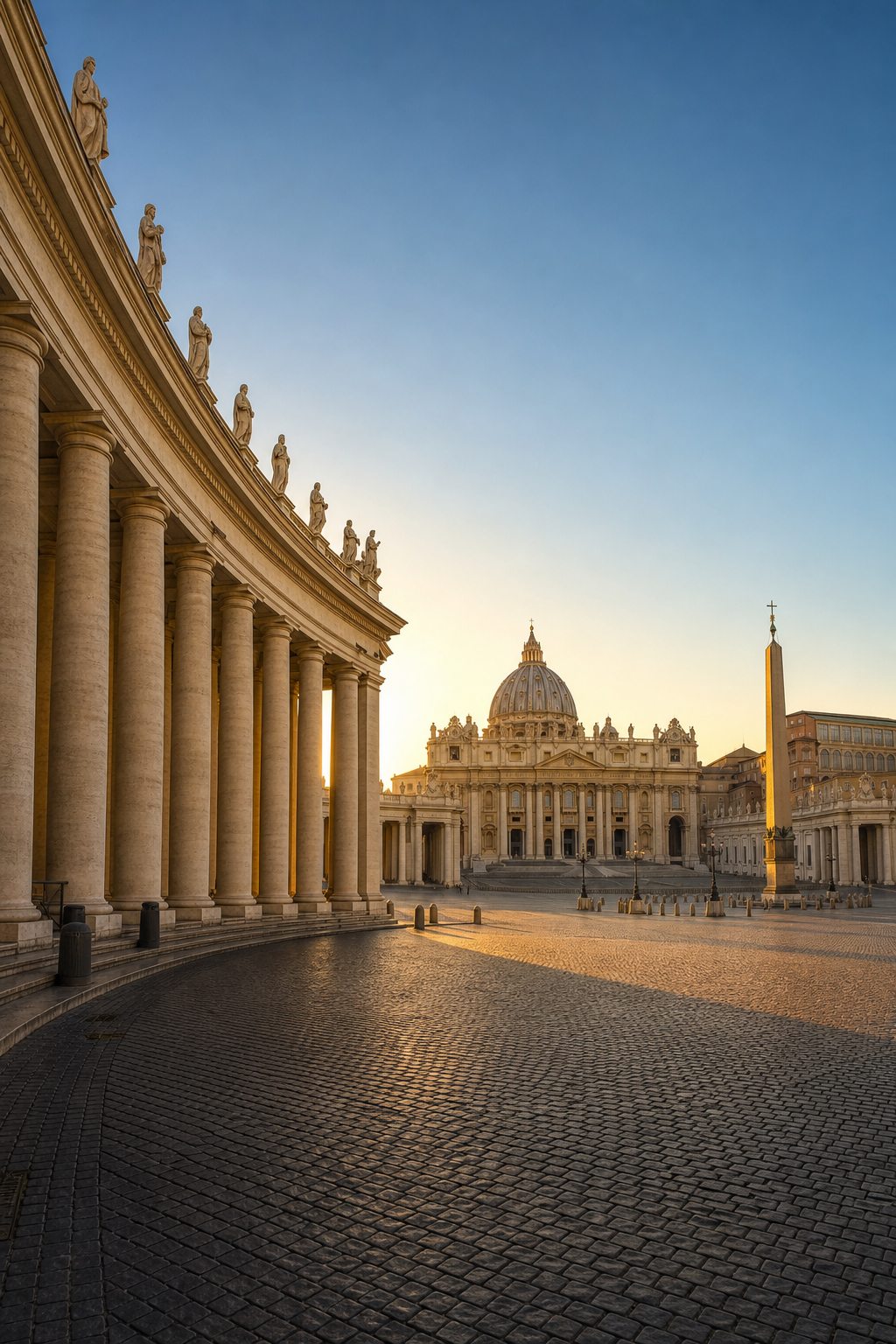
The Vatican Museums can be very busy, so your experience depends on when you arrive and whether you have a plan. Go early. The museums open at 8:00 AM Monday through Saturday, and arriving at or before opening is the single most effective thing you can do to see the Sistine Chapel without being shoulder-to-shoulder with strangers.
Most visitors spend around three hours in the museums. That’s enough time to see the Sistine Chapel, Raphael’s School of Athens , the Gallery of Maps, and the Belvedere Courtyard without sprinting. If you only have an hour, you can make a direct line to the Sistine Chapel, but budget the full morning if you can. There are no information panels inside, so consider using a guide or joining a group tour for context. Wandering without context in a museum this size turns into a tiring, expensive walk.
Saint Peter’s Basilica is free to enter and sits directly adjacent. One usable note from the research: the Basilica closes Wednesday mornings when the Pope holds the Papal Audience in Saint Peter’s Square, reopening around 12:30 PM. Plan around that. The climb to the dome costs a small fee but gives you one of the better improved views in the city.
Dress code applies to both sites. Shoulders and knees must be covered. Guards turn people away at the door, and there’s no workaround. Carry a scarf if you’re visiting in summer.
Skip recommendation worth noting: one competing guide suggests skipping the Vatican Museums entirely if you’re short on time and prioritizing the ancient Roman sites instead. That’s a defensible call if you’ve been to Rome before. For a first visit, though, the Sistine Chapel is one of those things that earns its reputation. Don’t skip it.
The historic center is where most of the iconic walking happens, and it’s genuinely dense with things worth seeing. The Pantheon, the Trevi Fountain, Campo de’ Fiori, and Piazza Navona are all within reasonable walking distance of each other. On a three-day Rome trip, this area typically takes up most of Day 1.
Piazza Navona is the anchor. It sits on the footprint of an ancient Roman stadium, and a famous Baroque fountain runs down the center of it. The square is pedestrianized and lined with cafes, most of which are overpriced. Sit at one if you want the atmosphere, but know you’re paying a location premium. The better move is to grab coffee at a bar a block or two off the square, standing at the counter the way Romans do. Prices drop significantly when you step away from the tourist flow.
The Pantheon is a ten-minute walk from Piazza Navona and still one of the most intact ancient buildings in the world. Entry now requires a ticket, which you can book online in advance. Go in the morning before tour groups arrive. The oculus, the 27-foot circular opening in the dome, is the thing most people remember.
One underrated move in this neighborhood: Via della Pace and the surrounding streets just west of Piazza Navona. Fewer tour groups, better coffee, and a chance to actually feel the scale of the old city without being jostled. Most guides skip this area entirely in favor of checking off the main squares.
Key Takeaway: The historic center rewards slow walking more than efficient sightseeing. Pick two or three anchor points and wander between them rather than trying to hit everything on a list.
Getting around this area is mostly on foot. The center is largely pedestrianized and compact enough that public transit isn’t necessary for most of the day. If you’re coming from the Vatican on Day 2, bus or tram connections cross the Tiber without much hassle. Metro fares are modest, and you can tap to pay with a credit card at most stops. For a day of heavy transit, consider a multi‑day transit pass if you plan extensive travel.
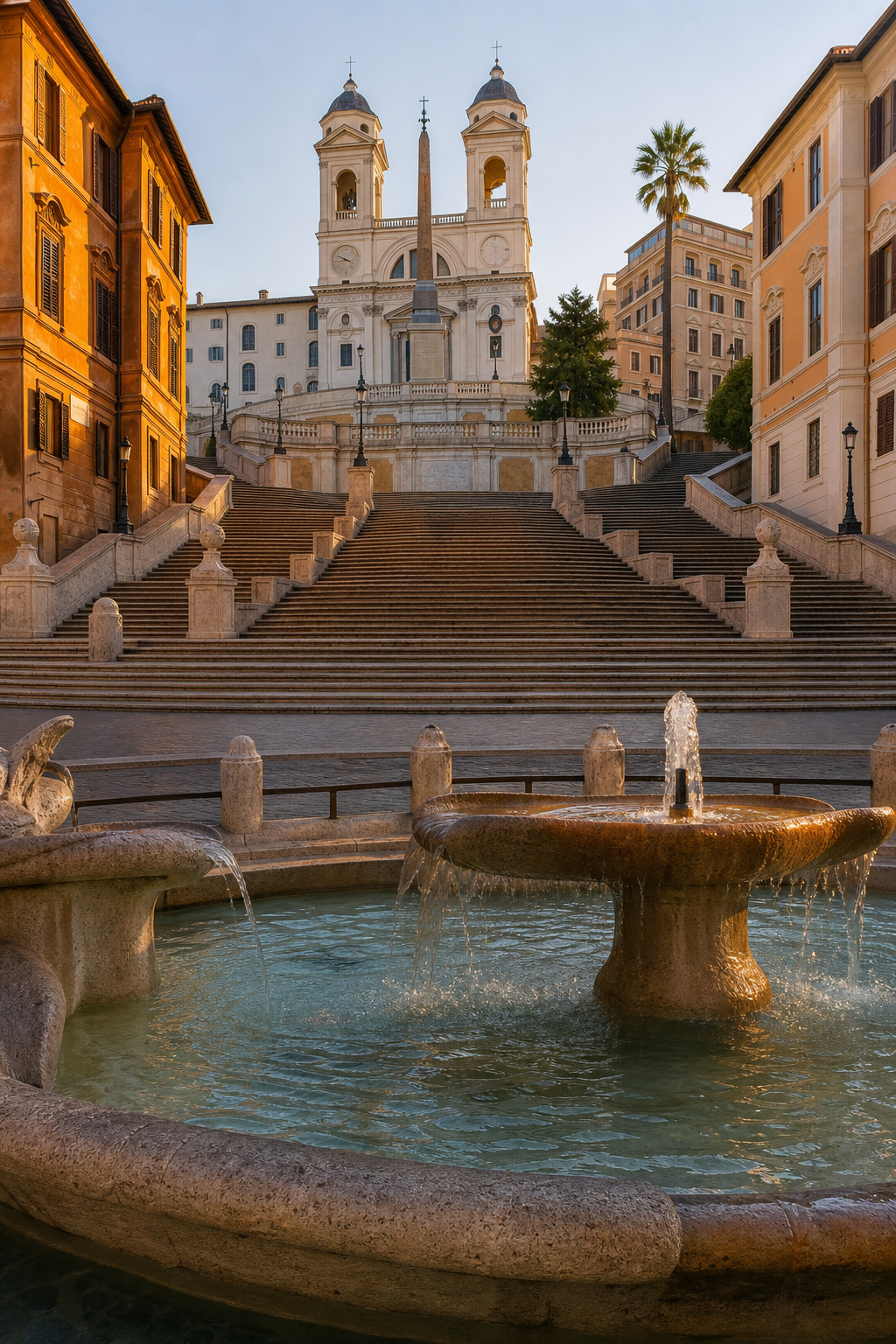
The Spanish Steps are one of those places that rewards arriving early and punishes arriving at noon. Before 9:00 AM, the 135-step travertine staircase is nearly empty, the light is low and warm, and you can actually appreciate the architecture. By mid-morning, it’s crowded enough that the experience is mostly handling other people’s selfie sticks.
A few things worth knowing before you go. You can no longer sit on the Steps. Following a restoration program, security guards are stationed throughout the staircase and will ask you to stand. Fines for sitting or eating on the Steps can be substantial. This isn’t a rumor or an occasional enforcement thing. It’s consistent. Don’t bring gelato up there.
The Steps were designed by Francesco de Sanctis and completed in the 18th century for the Jubilee year. Despite the English name, there’s nothing Spanish about the staircase itself. The name comes from the Piazza di Spagna below, which was the social center of Rome’s Spanish community in the early modern period. The church at the top is a notable landmark. From the top, between the church’s twin towers, you get one of the better rooftop views of central Rome without paying for a terrace or climbing a dome.
At the base of the Steps, the Fontana della Barcaccia is worth a look. Pietro Bernini, father of the more famous Gianlorenzo, designed it in the early 17th century. The partially sunken boat form solved a real engineering problem: the water pressure from the Acqua Vergine aqueduct at this location was too low for a standard fountain. Bernini turned the limitation into the design. It’s a good example of how much of Rome’s public art has a usable story behind it.
The streets around the Steps, particularly Via Condotti and Via Borgognona, are Rome’s luxury shopping corridor. If that’s not your thing, cut one block east toward Via Margutta. It’s quieter, lined with art galleries and antique shops, and was reportedly where Gregory Peck’s character lived in Roman Holiday. Worth a slow walk even if you’re not buying anything.
Packing for a day of walking in Rome means thinking about layers. The city’s microclimate shifts between sun-exposed piazzas and shaded medieval streets, which is a dynamic that anyone who’s visited places with similar temperature swings in other cities will recognize immediately. Comfortable shoes and a light layer cover most situations.
Three days is enough to cover the main sites, including the Colosseum, Vatican Museums, and the historic center, at a reasonable pace. You won’t see everything, but you’ll see the things that matter most on a first visit. Prioritize a few anchor stops per day and build in time to eat well and walk without a schedule.
Skip restaurants directly adjacent to major attractions. They charge more and deliver less. The Borghese Gallery is worth it if you have a fourth day, but it’s a reasonable cut on a tight schedule. The Vatican Museums on the free last Sunday of the month sounds appealing but the half-day hours and extreme crowds make it a bad trade unless budget is your only constraint.
Walk the historic center. It’s compact and mostly pedestrianized. For longer crossings, like getting to the Vatican from the Colosseum area, take the metro or a bus. A single fare is affordable and valid for a short period, and you can tap to pay with a credit card. A multi‑day travel pass can be cost‑effective if you’re moving between neighborhoods frequently.
Early morning, at or before 8:00 AM opening, is the best time. Crowds build quickly after 10:00 AM. Book timed-entry tickets in advance through the official website. Avoid the free last Sunday of the month unless budget is your priority, as the museums only open until 2:00 PM and lines are long.
Yes, for the Vatican Museums and the Colosseum. Both sell out or have very long same-day queues, especially in summer. The Pantheon also requires advance tickets now. Book these before you leave home. The Spanish Steps and Piazza Navona are free and need no booking, but arrive early to avoid crowds.
The Monti neighborhood is a strong base. It’s close to the Colosseum and Roman Forum, less crowded than the historic center, and has a metro stop. Prati, across the Tiber near the Vatican, works well if Vatican access is your priority. The historic center is convenient but expensive and noisy. Wherever you stay, central is worth paying for on a short trip.
A three-day Rome trip works when you stop trying to see everything and start making real choices. The four stops above, Vatican Museums, Saint Peter’s Basilica, the historic center around Piazza Navona, and the Spanish Steps area, give you the core of the city without the exhaustion of over-scheduling. Start with the Dream Book Travel itinerary guides for the day-by-day logistics, and if you’re building a broader Italy trip around this, check out the full European planning content on the site for context on how Rome fits into a longer route.
Discover the ideal month to explore Kyoto. Our expert guide breaks down weather, festivals, costs and crowd levels so you can plan the perfect trip.
Discover the top Lisbon food markets, what to eat, how to get there, and insider tips for a true culinary adventure.
Discover the optimal months to fly to Bali, with real weather data, crowd levels and price trends to help you plan the perfect trip.