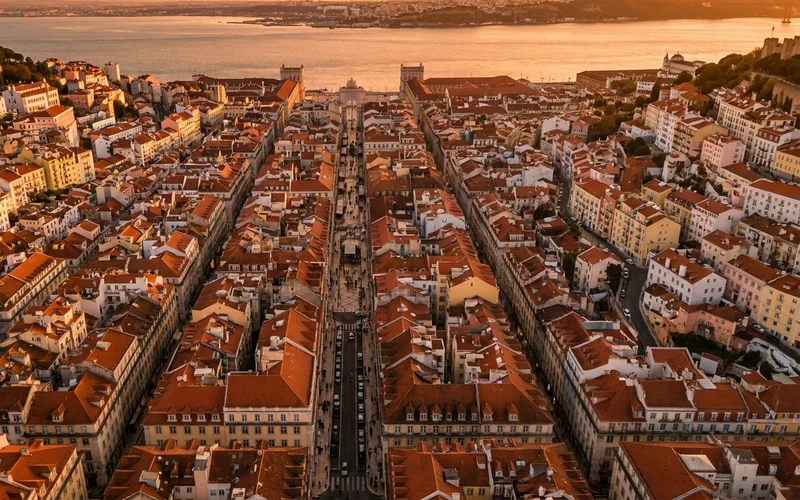
Best Neighborhoods to Stay in Lisbon (2026)
From Chiado to Graça, find the best neighborhoods to stay in Lisbon — with honest trade-offs, real prices, and who each area actually suits.
json { “Title”: ” Best Day Trips from Lisbon: 5 Must-See Getaways”, “MetaDescription”: “Discover the top 5 day trips from Lisbon with real prices, honest travel tips, and verdicts. From coastal towns to Roman ruins , plan smarter.”, “article_html”: ”
Lisbon sits at one of Europe’s best launch pads. Within two hours, you can be standing inside a medieval walled village, swimming in turquoise coves, or walking past Roman temples. Most of these trips cost under €15 to reach. Here are the five we’d actually send a friend to, with real prices and honest takes on each.
\n\n
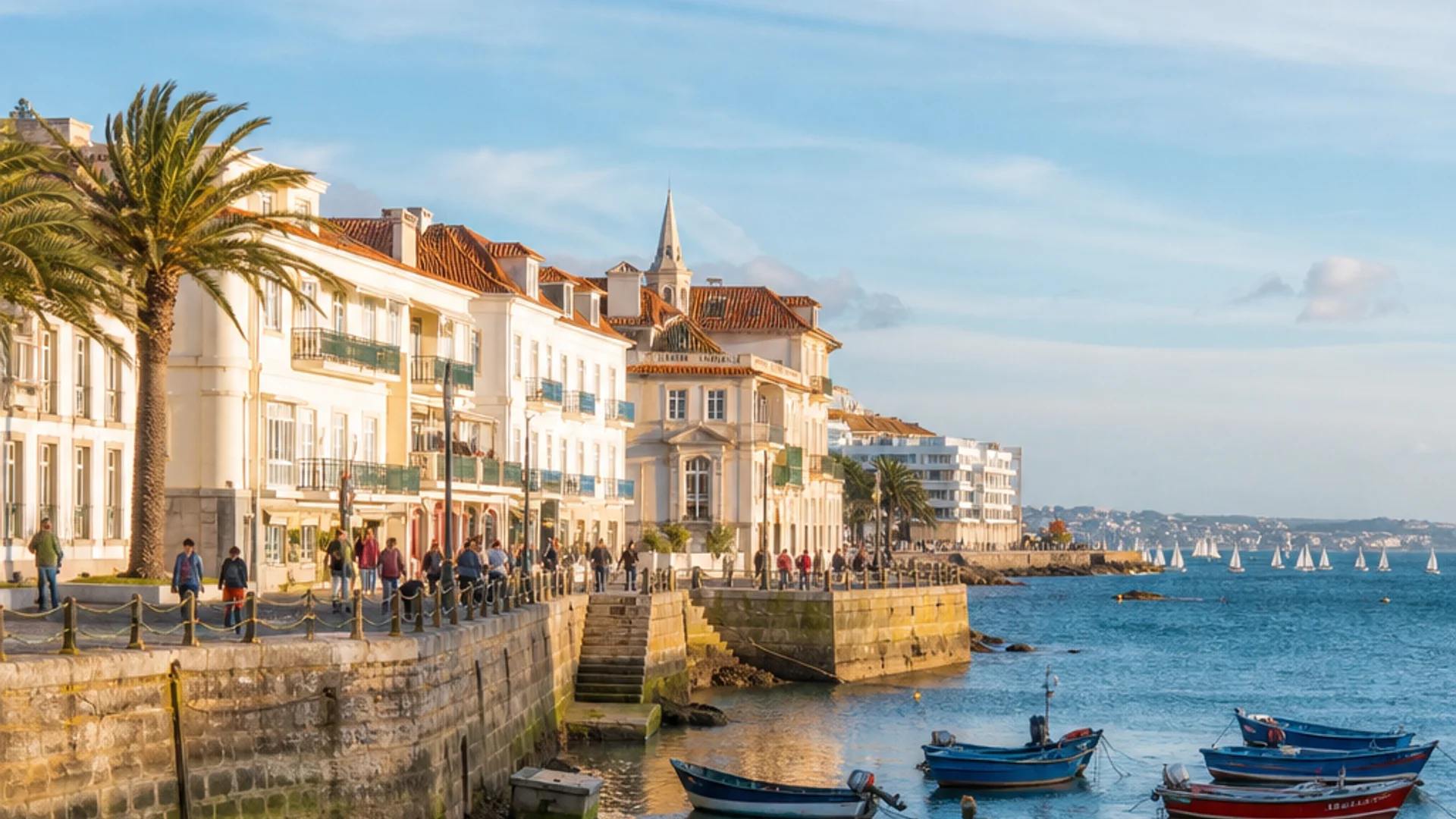
Cascais is the easiest day trip from Lisbon on this list. It’s a 33‑to‑40‑minute train ride, trains leave every 20 minutes from Cais do Sodré station, and a single ticket is inexpensive. That’s it. No car, no bus transfer, no planning anxiety.
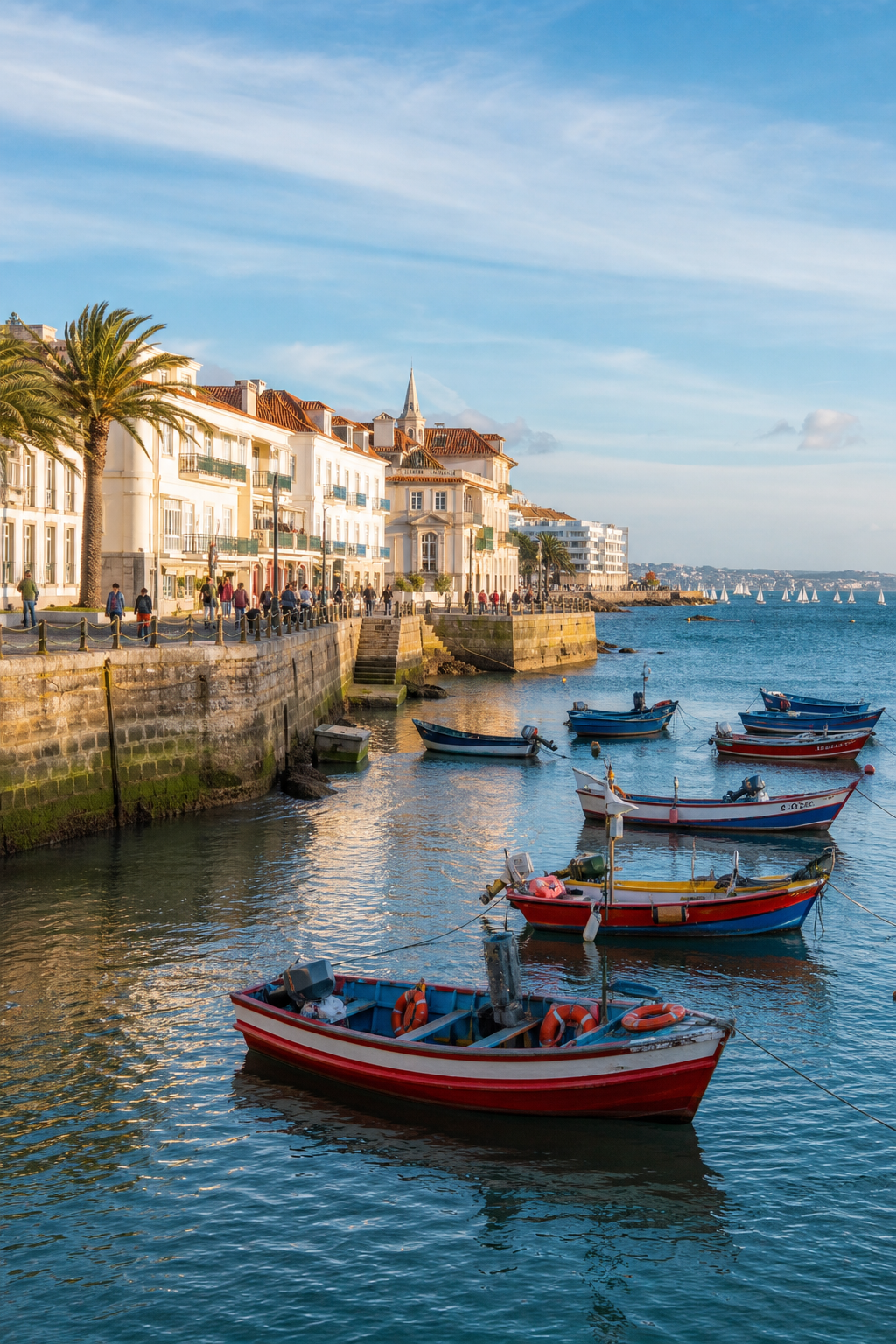
The town has a laid-back feel that’s genuinely different from Lisbon’s energy. The downtown area is small enough to walk in an hour, but the waterfront, the lighthouse at Boca do Inferno, and the bike paths stretching toward Guincho beach can fill a full day easily. Rent a bike near the station and you can cover a lot of ground without rushing.
Trains run from early morning until late evening, and the line is an urban commuter service, so tickets can’t be pre‑booked. Arrive a few minutes early to grab a seat, especially on summer weekends when the platform gets busy. Sit on the left side heading out of Lisbon for the best coastal views along the way.
The honest downside: Cascais is popular. On hot summer weekends the beach fills up fast, and the train back to Lisbon at sunset can be packed. Go mid‑week if you can, or stay until after 7 pm when the crowds thin.
If you’re comparing European coastal day trips, the format here is similar to what we cover in our guide to the best places to visit in Europe, short travel time, low cost, high return.
\n\n
Óbidos is a walled medieval village about an hour from Lisbon by bus, and it’s one of those places that looks exactly like the photos. White-and-blue houses, cobbled lanes, a castle you can walk through, and walls you can climb for views over the whole town. It’s small. You can cover the main streets in two hours. But the pace of it makes you want to stay longer.
\n\n
The bus to get there is the Rapide Verde (Green Express), leaving from Campo Grande station in Lisbon. Journey time is around one hour. The train technically goes to Óbidos too, but it takes 2.5 hours versus one by bus, so stick with the bus. One thing to know: weekend bus frequency drops significantly, with gaps of up to two hours between services. Check the schedule before you go and plan your return time carefully.
\n\n
Once you’re there, walk the town walls first thing in the morning before the tour groups arrive. Then head down Rua Direita, the main shopping street, and try Ginja. It’s a local sour cherry liquor served in a small chocolate cup. Strong for 11am, but the chocolate cup makes it acceptable. The town also has good regional food, and a few restaurants serve dishes in traditional clay vessels that are worth stopping for.
\n\n
Óbidos doesn’t have big museums or major monuments beyond the castle. That’s the point. It’s a go-slow destination. If you need a packed itinerary, this isn’t your day trip. If you want somewhere that feels genuinely unhurried and photogenic without the Sintra price tag, it’s hard to beat.
\n\n
\n\n
Évora is the furthest destination on this list. It takes around 1.5 hours by car or roughly 1.5 to 2 hours by bus, putting it at the outer edge of a comfortable day trip. But it earns its place because nothing else near Lisbon looks like it.
\n\n \n\n
\n\n
The Roman Temple of Évora, built in the 1st or 2nd century AD, stands in the middle of the city almost entirely intact. It’s one of the best-preserved Roman structures on the Iberian Peninsula. The temple’s history on Wikipedia notes it was likely dedicated to the Imperial Cult, though it’s commonly called the Temple of Diana. Either way, standing next to it in a functioning Portuguese city feels genuinely strange in the best way.
\n\n
Beyond the temple, Évora has a cathedral, a bone chapel (the Chapel of Bones inside the Igreja de São Francisco, built from the remains of around 5,000 monks), and a well-preserved historic center that’s a UNESCO World Heritage Site. The food scene is strong too, particularly the regional pork dishes and the local wine from the Alentejo region.
\n\n
The honest trade-off: Évora needs more time than a rushed day allows. If you arrive by 10am and leave by 6pm, you’ll do it justice. Arrive at noon and you’ll feel like you missed half of it. Consider an early bus or driving if you want to get the most out of it.
\n\n
Pro Tip: Book lunch at a restaurant near the Praça do Giraldo (the main square) before you arrive. Tables fill up fast on weekends, and walking in without a reservation at 1pm in summer means a long wait or a bad choice.
\n\n
Arrábida is the day trip most visitors don’t take, and the one we’d push hardest. It’s a protected natural area covering 176 square kilometres of limestone cliffs, hidden coves, and Mediterranean‑style vegetation on the Atlantic coast. The water is genuinely clear. You can see the sandy bottom in three metres.
Getting there is the main challenge. There’s no direct train. Your options are renting a car (costs vary, with tolls applicable), taking a regional train to Setúbal and connecting by bus, or joining a guided tour. Overall expenses depend on the chosen mode of transport.
The beach situation is more complex than Cascais. In summer, road restrictions block cars from several coves. Parking at Praia de Creiro is limited and fills early. Praia dos Galapinhos, voted one of Europe’s best beaches, is car‑free in summer. You walk down from the road (15‑20 minutes) or reach it from the rocks at low tide. It’s worth every step.
If you want to combine beaches with wine tasting in the Azeitão area, a guided tour makes the most sense practically. The drive is handled, everyone can taste, and the guide knows which smaller quintas (estates) are worth visiting beyond the well‑known names. The honest math: once you add car rental, tolls, parking, and tasting fees, the price gap between DIY and a guided tour narrows considerably.
Skip Arrábida if you’re purely after an easy beach day. The Cascais train wins that comparison on simplicity. But if you want to see a stretch of coastline that feels nothing like a tourist checklist, this is it.
The research behind this guide covered 29 day‑trip destinations from Lisbon. The average travel time across all of them is 1.51 hours. Most cost under €15 to reach. Sintra is the obvious outlier: short travel time (about an hour by train), but palace entry starts at €135 per person. That’s a real price‑versus‑popularity gap worth knowing before you commit.
Here’s a simple decision framework based on what actually matters:
One rule we apply consistently: don’t try to combine two full destinations in one day. The transport time between Óbidos and Évora, for example, eats the afternoon. Pick one, go deep, and come back satisfied rather than exhausted.
A similar framework works for day trips from other European cities, showing how consistently this approach holds across different locations.
| Destination | Travel Time | Transport | Approx. Cost (Return) | Best For | Main Caveat |
|---|---|---|---|---|---|
| Cascais | ~40 min | Train from Cais do Sodré | affordable | Easy beach day, cycling | Crowded on summer weekends |
| Óbidos | ~1 hr | Bus from Campo Grande | Medieval atmosphere, slow pace | Infrequent weekend buses | |
| Évora | ~1.5-2 hrs | Bus or car | Roman history, food, wine | Needs a full day to do it justice | |
| Arrábida | ~45 min (car) | Car, bus, or guided tour | €60-90 (~$65-98) all-in | Nature, wine, dramatic beaches | Summer road restrictions, no direct train |
| Dream Book Travel | — | Online planning resource | Free | Planning all of the above | Not a booking engine |
Cascais is the easiest. Trains leave every 20 minutes from Cais do Sodré station in central Lisbon, the journey takes 33-40 minutes, and a single ticket costs a few euros. No car, no bus transfer, no advance booking needed. You can decide to go the morning of and be on the beach by 10am.
Sintra is about 40km from Lisbon and roughly an hour by regional train from Rossio station. It’s one of the most photographed day trips from Lisbon, but it’s also the most expensive: palace entry starts at €135 per person. Factor that into your planning before assuming it’s a budget-friendly option.
Technically possible for close destinations like Cascais and Sintra, but we don’t recommend it. The travel time between destinations eats your afternoon, and you end up seeing both places at a rushed pace. Pick one destination, go deep, and you’ll come back with a real sense of the place rather than a blurry memory of two.
Not for most of them. Cascais and Óbidos work well by train and bus. Évora is reachable by bus. Arrábida is the exception: public transport options are limited, summer road restrictions complicate DIY driving, and a guided tour often makes more usable sense. For everything else, public transport is fine and usually cheaper.
Late September through early November is the sweet spot. Weather is still warm (Lisbon regularly hits the high 20s Celsius in September), crowds are thinner, and accommodation prices drop. Summer works too but expect packed trains to Cascais and full car parks at Arrábida by 9:30am. Winter is fine for Óbidos and Évora, less ideal for beach destinations.
Most day trips from Lisbon cost €15-25 per person including transport and food, if you go independently. Cascais is the cheapest at under €5 return by train. Arrábida is the most expensive at €60-90 all-in, especially if you join a guided tour. Sintra sits in its own category: short travel time, but palace entry alone starts at €135.
\n\n
If you have one day and want the easiest possible trip, take the train to Cascais. If you have a full day and want something that stays with you, go to Évora or Arrábida. All five options on this list earn their place for different reasons, and none of them require a car or complicated logistics. Start with our 3-day Lisbon itinerary to figure out which days to keep in the city and which to use for getting out of it.
From Chiado to Graça, find the best neighborhoods to stay in Lisbon — with honest trade-offs, real prices, and who each area actually suits.
Discover the top neighborhoods for first‑time visitors to Tokyo. Honest prices, transport tips, and real‑world verdicts to help you pick the perfect stay.
Plan a perfect 3‑day Lisbon trip with detailed daily steps, budget tips, and insider advice from Dream Book Travel.