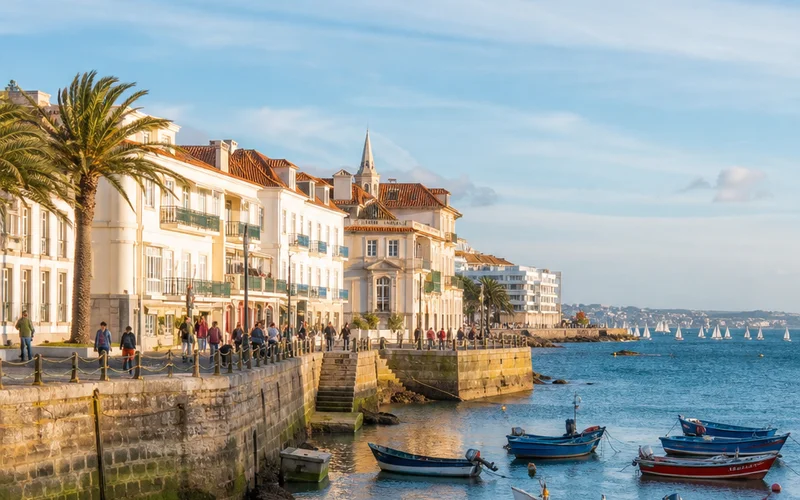
Best Day Trips from Lisbon – 5 Must‑See Getaways
Discover the top 5 day trips from Lisbon with real prices, travel tips, and honest verdicts. Perfect for savvy travelers looking for memorable short escapes.
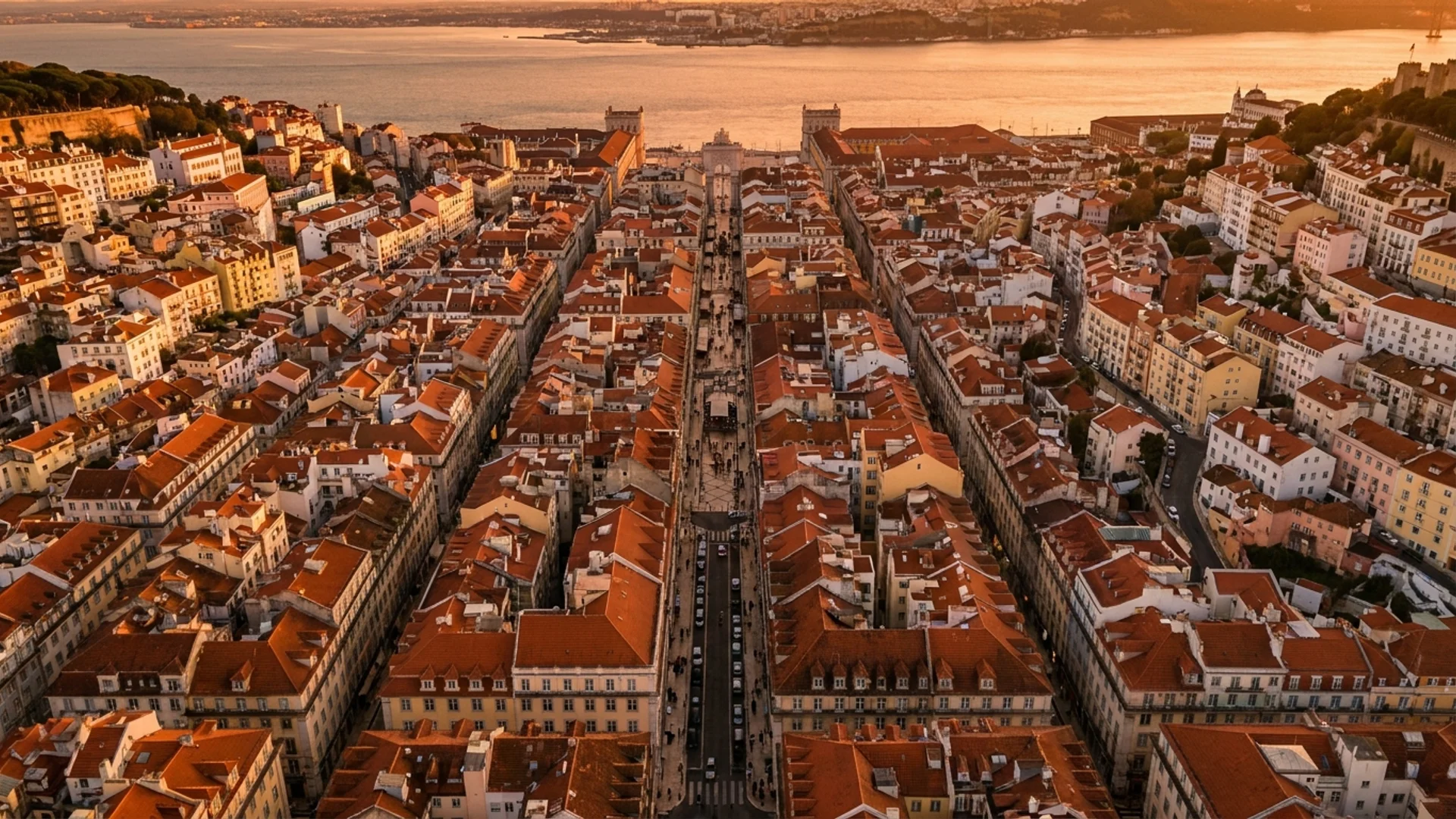
Lisbon rewards travelers who pick the right base. Stay in the wrong neighborhood and you’ll spend half your trip on hills you didn’t plan for, in streets that go quiet at 6pm, or in a “central” hotel that’s actually a 20-minute metro ride from everything. Here’s who each neighborhood actually suits , and one honest reason to think twice about each.
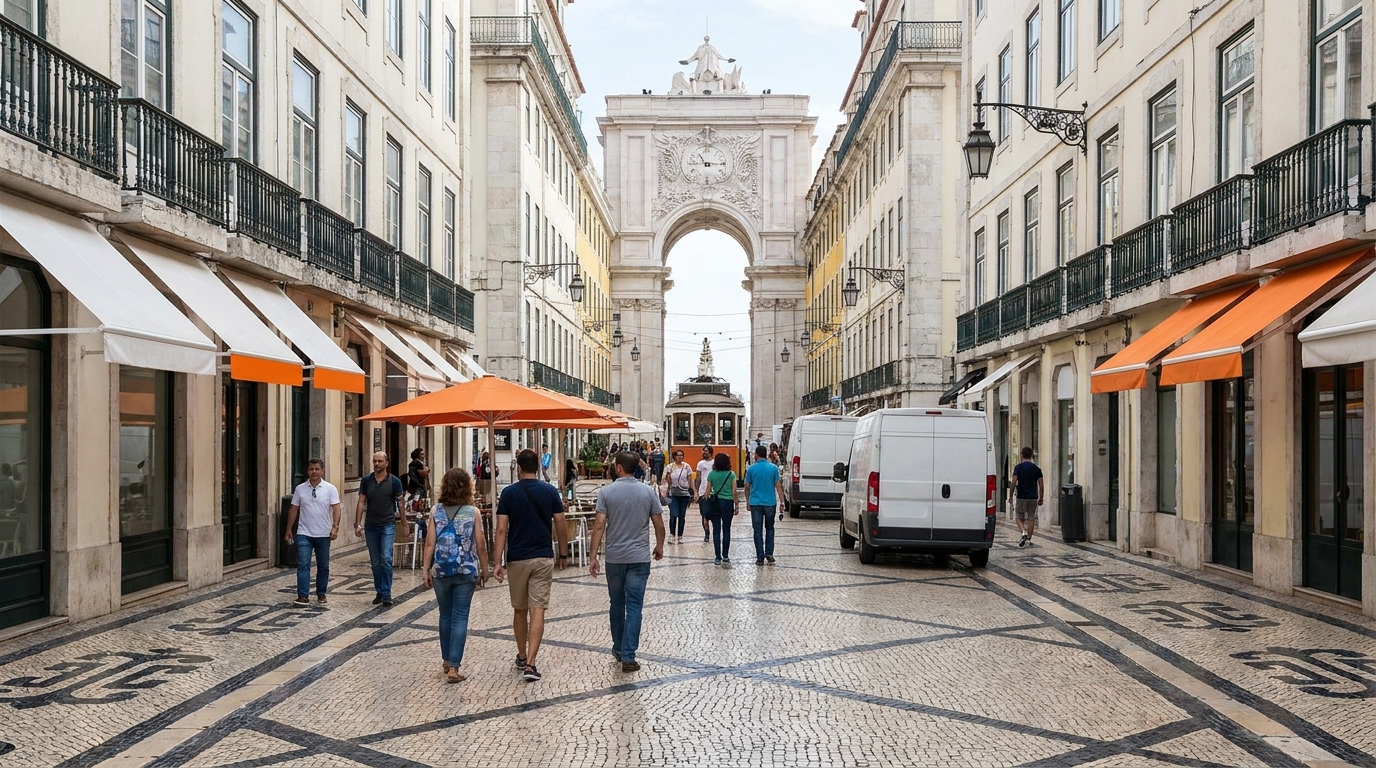
Baixa is Lisbon’s flat downtown, rebuilt on a grid after the 1755 earthquake under the direction of the Marquês de Pombal. That history matters practically: this is the one central neighborhood where you’re not constantly climbing. Wide, straight streets connect Rossio Square to Praça do Comércio and the riverfront, and the metro, trams, regional trains, and ferries all converge nearby.
Best for first-time visitors who want to walk to everything without planning their route around hills. Praça do Comércio and the Rua Augusta arch are literally at your door. You’re 10 minutes on foot from Chiado, Alfama, and Cais do Sodré.
The downside is real: Baixa is the most tourist-heavy part of the city. In peak summer, Rua Augusta can feel more like a theme park than a city street. Accommodation here leans toward mid-range and above, and some properties on busier streets have noise issues. If you’re sensitive to street noise, pick a room facing a courtyard or a quieter side street. Rates in the Baixa-Chiado area vary by season and availability, making it one of the pricier bases in the city.
Alfama is Lisbon’s oldest neighborhood and its most atmospheric. Narrow alleys, azulejo-tiled buildings, the sound of Fado drifting from small restaurants at night , it genuinely feels like no other part of the city. São Jorge Castle sits above it. The flea market, the Lisbon Cathedral, and the surrounding historic lanes are all walkable. The district’s Moorish origins date back to before Lisbon became Portugal’s capital, and that history is visible in every winding lane.
Best for atmosphere seekers, Fado lovers, and repeat visitors who already know the city and want something deeper. It’s also genuinely romantic for couples who don’t mind handling on foot.
The honest caveat: the hills here are relentless. Tram 28 passes through, but it’s often overcrowded with tourists and runs a limited route. The metro doesn’t reach Alfama. Getting an Uber in or out of the upper streets is hit-or-miss. If mobility is any concern, this neighborhood isn’t the right call. And during cruise ship days, the main tourist spots can feel overwhelmed by midday. The lower part of Alfama, near Largo do Chafariz de Dentro, has better transport access , worth specifying when you book.
Bairro Alto is the bohemian quarter. By day it’s quiet , some streets feel a bit nondescript, a handful of independent bookshops and small lunch spots. By night, the whole neighborhood flips. Dozens of small bars fill the compact grid of streets, and the Santa Catarina viewpoint nearby gives you one of the better panoramas of the river and the lower city.
Best for younger travelers and night owls who want to be inside the nightlife, not commuting to it. You’re also steps from Chiado, so daytime culture and good restaurants are close.
Sleep is the real issue here. If your room faces the wrong street, Thursday through Sunday nights will be loud until 3am. One video reviewer put it plainly: Bairro Alto is essentially one big open-air bar after dark, and that noise doesn’t stay outside. Look for properties on quieter side streets, or choose Príncipe Real next door if you want the same central location with a fraction of the noise. Several historic churches and heritage sites are both short walks away for daytime sightseeing, but Bairro Alto earns its spot primarily after dark.
Príncipe Real sits just uphill from Bairro Alto and Chiado, but the atmosphere is noticeably different. It’s Lisbon’s most upscale residential neighborhood , art galleries, antique shops, designer boutiques, good wine bars, and a lush garden square with cypress trees. A local organic market brings a neighborhood crowd on Saturdays. Mass tourism hasn’t arrived here the way it has in Baixa or Alfama.
Best for couples, creative travelers, and anyone who wants a genuinely local feel without sacrificing proximity to the center. It’s particularly popular with expats, and it’s widely regarded as Lisbon’s most prominent gay-friendly neighborhood.
Accommodation tends toward smaller boutique hotels and apartment rentals rather than large hotel chains, and prices reflect the area’s exclusivity , expect rates above the Baixa average for comparable quality. Transport options are reasonable but not as dense as in Baixa or along Avenida da Liberdade. The funicular at Mirador de Saint Peter of Alcântara drops you down to Cais do Sodré quickly, which helps. If you want somewhere that feels like real Lisbon rather than tourist Lisbon, Príncipe Real is the best answer in the central city.
Graça is Alfama’s less-touristed neighbor, sitting higher on the same hill. The Graça viewpoint (Miradouro da Graça) and the Portas do Sol below it offer some of the best rooftop views of the city and the river. The neighborhood has a genuine village feel , local cafes, neighborhood shops, residents hanging laundry from windows. It consistently comes up in research as one of the “family-friendly” and “authentic” clusters, and it earns that reputation.
Best for repeat visitors, slow travelers, and anyone who explicitly wants fewer tourists in their immediate neighborhood. If you’ve done Alfama and want a quieter, more residential version of the same hill, Graça is the answer.
The trade-off is the same one Alfama has: you’re on a hill, and the transport options are limited. Tram 28 connects to the center, but it’s not always reliable at peak times. The metro doesn’t come up here. For a short trip focused on efficiency, Graça adds friction to your day. For a longer stay or a trip built around wandering rather than ticking off sights, it pays back that friction in atmosphere. Accommodation here is primarily apartments and small guesthouses.
Santos sits between Chiado and Alcântara along the riverside, and it’s the neighborhood most consistently overlooked in the mainstream guides. It has a concentration of design studios, independent galleries, good coffee shops, and a stretch of riverside that doesn’t feel like a tourist circuit. It’s not far from Cais do Sodré, which means the nightlife and the Time Out Market are accessible without you being in the middle of it.
Best for architects, designers, and travelers who find the more-obvious neighborhoods a little too polished. If you like discovering places before the crowds do, Santos is worth considering. It’s also a reasonable base for day trips toward Belém, which sits further west along the same riverside line.
The honest limitation: Santos has fewer accommodation options than the central neighborhoods, and it’s not the best base for first-timers who want to be close to everything. It works best as a deliberate choice for someone who already knows what they’re getting into, not as a default. Transport is manageable , trams and buses connect to the center , but it’s not metro-accessible the way Baixa or Avenida da Liberdade are.
Avenida da Liberdade is Lisbon’s grand boulevard, tree-lined and wide, running from Marquês de Pombal square down to the edge of Rossio. It has the highest concentration of five-star hotels in the city, along with luxury retail and good restaurants. A metro line runs the full length of the avenue, making it easy to reach any part of the city quickly. For business travelers, it’s the most usable upscale address in Lisbon.
Best for luxury travelers, business visitors, and anyone who values hotel infrastructure , concierge, gym, room service , over neighborhood character. The upper end of the avenue near Marquês de Pombal is slightly further from the historic center but offers lower rates for comparable quality, which is worth knowing if you’re price-sensitive within this tier.
What it lacks is personality. Avenida da Liberdade feels more like a European capital avenue than a Portuguese neighborhood. You won’t stumble across Fado bars or local tascas here. It’s efficient and comfortable, but if you want to feel Lisbon rather than just be in it, you’ll want to walk to Chiado or Príncipe Real for that. The park at the top of the avenue has good city views and the Estufa Fria greenhouse is a worthwhile detour.
Parque das Nações (Park of Nations) is Lisbon’s modern waterfront district, built for the 1998 World Exposition on a stretch of former industrial land along the Tagus. It has wide, flat pedestrian paths, modern architecture, a world-class aquarium, a casino, and a comfortable, low-stress atmosphere that families find genuinely relaxing. The main rail station here is also Lisbon’s primary high-speed rail hub, connecting to Porto and other Portuguese cities.
Best for families with young children, travelers arriving by train, and anyone who prioritizes space and modern amenities over historic atmosphere. The aquarium alone makes it worth a half-day, and the flat riverside promenade is one of the few places in Lisbon that’s genuinely stroller and wheelchair friendly.
The trade-off is distance. Parque das Nações is roughly 6km from the historic center. Getting to Alfama or Chiado requires the metro (about 20, 25 minutes on the red line to the center) or a taxi. For a trip where you plan to spend most of your time in the old city, staying here adds a commute you’ll feel by day three. A local guide put it plainly: unless you know what you’re choosing and why, it’s not the first-timer’s pick.
Lapa and Estrela are the neighborhoods most of the standard guides skip, which is exactly why they belong on this list. They sit west of Chiado and Príncipe Real, along the hillside above the river. Most of Lisbon’s foreign embassies are here, which tells you something about the vibe: calm, residential, well-maintained. The neighborhood has a genuinely lovely garden for morning coffee. A striking domed basilica is steps away. Tram 28 runs through both neighborhoods, connecting to the center in about 15 minutes.
Airbnb listings in Lapa consistently highlight river views and the absence of tourist noise as the main selling points. Several apartments advertise the tram stop right outside as a feature rather than an afterthought. It works , this is one of the few areas in central Lisbon where you can genuinely feel like a resident for a week.
Best for slow travelers, remote workers, and anyone who wants Lisbon without the performance of being a tourist. The neighborhood suits couples and solo travelers on longer stays more than it suits groups doing a fast four-night city break. Accommodation is almost exclusively apartments and small guesthouses , there are no large hotels here, and that’s a feature, not a bug.
Both Cascais and Costa da Caparica are technically outside Lisbon proper, but they’re legitimate bases for travelers who want beach access as part of their trip. Cascais sits on the Estoril coast about 30km west of the city, with a historic center, good restaurants, and access to Sintra by train. Costa da Caparica is south of the city across the Tagus, known for its long Atlantic beach and a more relaxed, surfer-friendly vibe.
Best for beach-focused travelers, laid-back visitors, and anyone who wants to split their time between the city and the coast. Cascais is the more polished of the two , it suits couples and families. Costa da Caparica attracts a younger crowd and is the better pick for surf lessons and a casual atmosphere.
The honest math: staying in either place adds travel time to every Lisbon city day. Cascais to Lisbon by train takes around 40 minutes and runs frequently from Cais do Sodré station. Costa da Caparica requires a ferry or bus connection that adds complexity. If the city is your primary focus, these are day trips. If the coast is your primary focus with occasional city days, they work as a base , just be honest with yourself about which one you actually want.
Pro Tip: If you want coastal access without the commute, book Cascais accommodation early , the train from Cais do Sodré runs frequently and reliably, and you can treat the 40-minute ride as part of the experience rather than a burden.
The neighborhoods north of Rossio that practical-minded guides mention but rarely develop are worth a closer look. They sit along the metro lines, close enough to the center that you’re never more than two stops from the action. They’re genuinely mixed neighborhoods — local restaurants, corner cafes, markets, and a residential energy that the tourist-heavy areas don’t have. Prices for accommodation here are noticeably lower than in Baixa or Chiado for comparable quality.
Best for budget-conscious travelers who don’t mind a short metro ride to the historic center. If your hotel is within a short walk of a metro station, the location trade-off essentially disappears for most of a city trip. Lisbon’s metro network covers the key tourist areas well enough that you won’t feel stranded.
Several stops in this northern corridor have metro stations with multiple lines. Hotels in these areas range from budget hostels to three-star properties with modern rooms. The limitation is atmosphere — these neighborhoods don’t have the character of Alfama or the elegance of Príncipe Real. You’re here for value and practicality, and they deliver on both. For travelers who add “reddit” to their searches looking for honest advice: this is where the locals point when someone asks where to stay without blowing the budget.
A more distant address can justify the savings on accommodation costs, as long as your hotel sits close to a metro station.
The neighborhood that works depends almost entirely on three things: how you move around cities, what time of day you’re most active, and how much the accommodation cost matters relative to your overall budget. Here’s a simple way to cut through it.
| Your Priority | Best Fit | Skip |
|---|---|---|
| Walk everywhere, first trip | Baixa or Chiado | Alfama, Graça |
| Atmosphere and romance | Alfama or Lapa/Estrela | Parque das Nações |
| Nightlife first | Bairro Alto or Cais do Sodré | Lapa, Estrela |
| Local feel, boutique stay | Príncipe Real | Baixa |
| Families with young kids | Parque das Nações or Chiado | Alfama (hills) |
| Luxury hotels, business travel | Avenida da Liberdade | Santos, Graça |
| Budget, metro-dependent | Arroios or Saldanha | Príncipe Real |
| Beach plus city mix | Cascais (day trips in) | Parque das Nações |
A few things worth knowing before you book. Hill difficulty is real , Alfama, Graça, Bairro Alto, and Príncipe Real all involve significant climbing on cobblestones. If anyone in your group has mobility concerns, Baixa or Parque das Nações are the only genuinely flat central options. Noise matters more than most booking sites tell you: Bairro Alto and Cais do Sodré are loud Thursday through Sunday nights, and summer in Baixa is relentless with foot traffic. And one thing the research aggregated across 18 neighborhoods confirmed: safety scores are essentially absent from published data, meaning you’re relying on anecdotal reputation. All the neighborhoods on this list are generally considered safe for tourists, but standard urban urban common sense applies.
For those planning a longer stay or a month-to-month arrangement, Arroios and Lapa offer the best combination of residential feel and metro access. Readers looking to compare booking tools and platforms for managing accommodation reservations across these neighborhoods may find it useful to review short-term rental management software options independently, as the landscape changes frequently and no single comparison covers every use case.
Seasonal timing also matters. Summer (July, August) means Lisbon is at peak capacity , crowds in Baixa and Alfama are genuinely thick, and accommodation prices spike. Spring (April, May) and autumn (September, October) are the better windows for comfortable temperatures and thinner crowds. Winter is mild by northern European standards but rain is real, and some of the viewpoint neighborhoods feel quieter and a bit emptier. That’s a feature if you want to feel like a local; it’s a drawback if you came for energy.
Baixa and Chiado are the strongest options for a first trip. Baixa is completely flat and walkable, putting you near Praça do Comércio, Rossio Square, and the iconic iron elevator that connects the lower and upper city. Chiado sits just uphill and adds boutique shopping and café culture. Both have good metro and tram access. If you can only pick one, Chiado gives you slightly more character at a higher price point; Baixa gives you pure convenience.
Bairro Alto is the traditional answer , dozens of small bars fill its compact streets from around 10pm onwards. Cais do Sodré, just below, has the Pink Street (Rua Nova do Carvalho) and later-night clubs. If you want nightlife access without sleeping inside the noise, Chiado or Príncipe Real let you walk to both areas in under 15 minutes while giving you a quieter room to return to.
Alfama is worth staying in if you know what you’re choosing: steep cobblestone streets, limited transport, no metro, and heavy tourist traffic during the day near the castle. The payoff is genuine atmosphere , Fado at night, narrow lanes to explore, river views from the miradouros. For most first-timers, treating it as a half-day or full-day visit from a Chiado or Baixa base is more usable than staying there.
Published Airbnb data is limited, but the Baixa-Chiado area averages around €190/night (range roughly €160–€220). More residential neighborhoods like Arroios or Saldanha typically run lower. For hotel stays, mid-range three-star options in central areas vary by season and availability. Prices shift significantly between July–August and shoulder months like April or October, so the window you book matters as much as the neighborhood.
Yes, particularly for families with young children. It has flat, wide riverside paths, a world-class aquarium, modern hotels with family rooms, and a calm atmosphere absent from the crowded historic center. The main trade-off is the 20–25 minute metro ride to Alfama, Chiado, and Baixa. If waterfront outdoor space and family-friendly attractions are priorities, it’s a genuine option.
Graça, Lapa, and Estrela are the strongest picks for a less-tourist-saturated stay. Graça has excellent viewpoints without the Alfama crowds. Lapa and Estrela feel like residential Lisbon , local cafes, embassy row calm, and tram access to the center. Arroios is also worth considering for budget travelers who want a real neighborhood feel with metro convenience. None of these are fully off the tourist map, but they’re noticeably quieter than Baixa or Alfama.
For a first trip: book Chiado. For a return visit where atmosphere matters more than convenience: Príncipe Real or Lapa. On a tight budget with metro access as your priority: Arroios. The rest of the picks above cover the edge cases , beach travelers, families with young kids, luxury budgets, nightlife-first priorities. The guides on Dream Book Travel’s Europe destination pages can help you build a wider Portugal trip around whichever base you choose.
Discover the top 5 day trips from Lisbon with real prices, travel tips, and honest verdicts. Perfect for savvy travelers looking for memorable short escapes.
Discover the top neighborhoods for first‑time visitors to Tokyo. Honest prices, transport tips, and real‑world verdicts to help you pick the perfect stay.
Plan a perfect 3‑day Lisbon trip with detailed daily steps, budget tips, and insider advice from Dream Book Travel.