15 Best Things to Do in Bremen, Germany
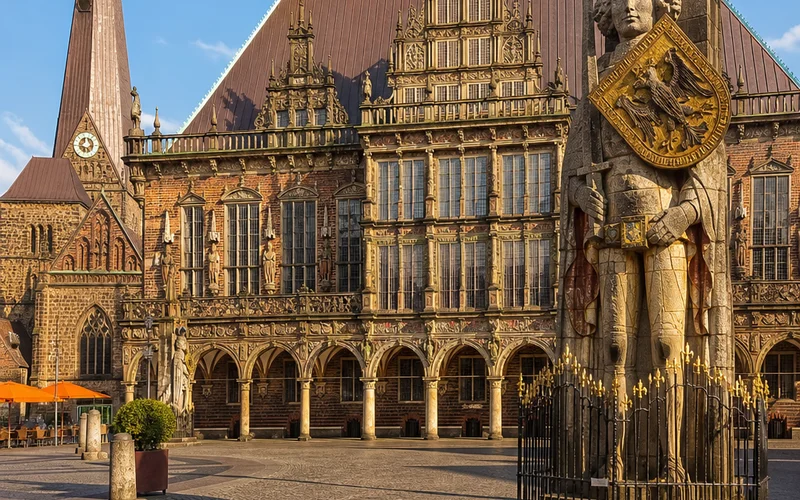
From UNESCO-listed Town Hall to the Schnoor quarter, here are the best things to do in Bremen, Germany — with real prices and honest verdicts.

json { “Title”: ” Lisbon Itinerary 3 Days: A Step-by-Step Guide”, “MetaDescription”: “Plan your 3-day Lisbon trip with honest daily steps, real transport costs, budget tips, and what to skip. A usable guide from Dream Book Travel.”, “article_html”: ”
Most 3-day Lisbon itineraries list 28 attractions. That’s not a plan , that’s a wish list. We looked at four popular guides and found they all cover the same neighborhoods but stay silent on costs, skip recommendations, and anything that might disappoint you. This guide is different. Here’s a day-by-day plan that’s actually doable, with real prices and one honest opinion on what to skip.
\n\n
\n\n \n\n
\n\n
Lisbon’s airport (Humberto Delgado) sits close to the city center , a genuine advantage. You have four ways to get in, and the price gap between them is significant.
\n\n
The metro is the best value. Take the Red Line (Linha Vermelha) from the airport toward São Sebastião, then transfer depending on where you’re staying. A single ticket costs around €1.85 (roughly $2). Journey time is 20 to 30 minutes. Trains run every 6 to 9 minutes during the day.
\n\n
The Aerobus shuttle costs around €4 to €6 ($4.50 to $6.50) and stops at key spots like Avenida da Liberdade and Cais do Sodré. It takes about the same time as the metro but drops you closer to tourist-heavy areas without a transfer.
\n\n
A taxi from the airport runs €15 to €20 ($16 to $22). Uber is slightly cheaper at €10 to €20 ($11 to $22), depending on surge pricing. Both take 15 to 30 minutes depending on traffic.
\n\n
Once you’re in, pick up aViva Viagem card at any metro station. You can load it with a day pass or individual trips. If you plan to visit Sintra on day three, check whether the 72-hour Lisboa Card makes financial sense for your itinerary , it covers the train to Sintra plus free entry to major monuments including Jerónimos Monastery and Belém Tower. For many first-time visitors doing the classic route, it pays for itself.
\n\n
For where to stay, the two neighborhoods that make the most logistical sense are Baixa and Chiado. Baixa is flat, well-connected by metro, and easy to handle. Chiado is more charming, sits on a hill, and puts you within a 15-minute walk of most Day 1 sights. Alfama is atmospheric but harder to get around , save it for exploring, not sleeping.
\n\n
Check in, drop your bags, and walk to a nearby café for a pastel de nata and an espresso. You’ll pay around €1.20 to €1.50 ($1.30 to $1.65) for the tart. That’s your welcome to Lisbon sorted.
\n\n
Pro Tip: Book Jerónimos Monastery and Belém Tower tickets in advance if you’re visiting in summer. Both sell out, and the queues without a pre-booked slot can eat an hour of your day.
\n\n
\n\n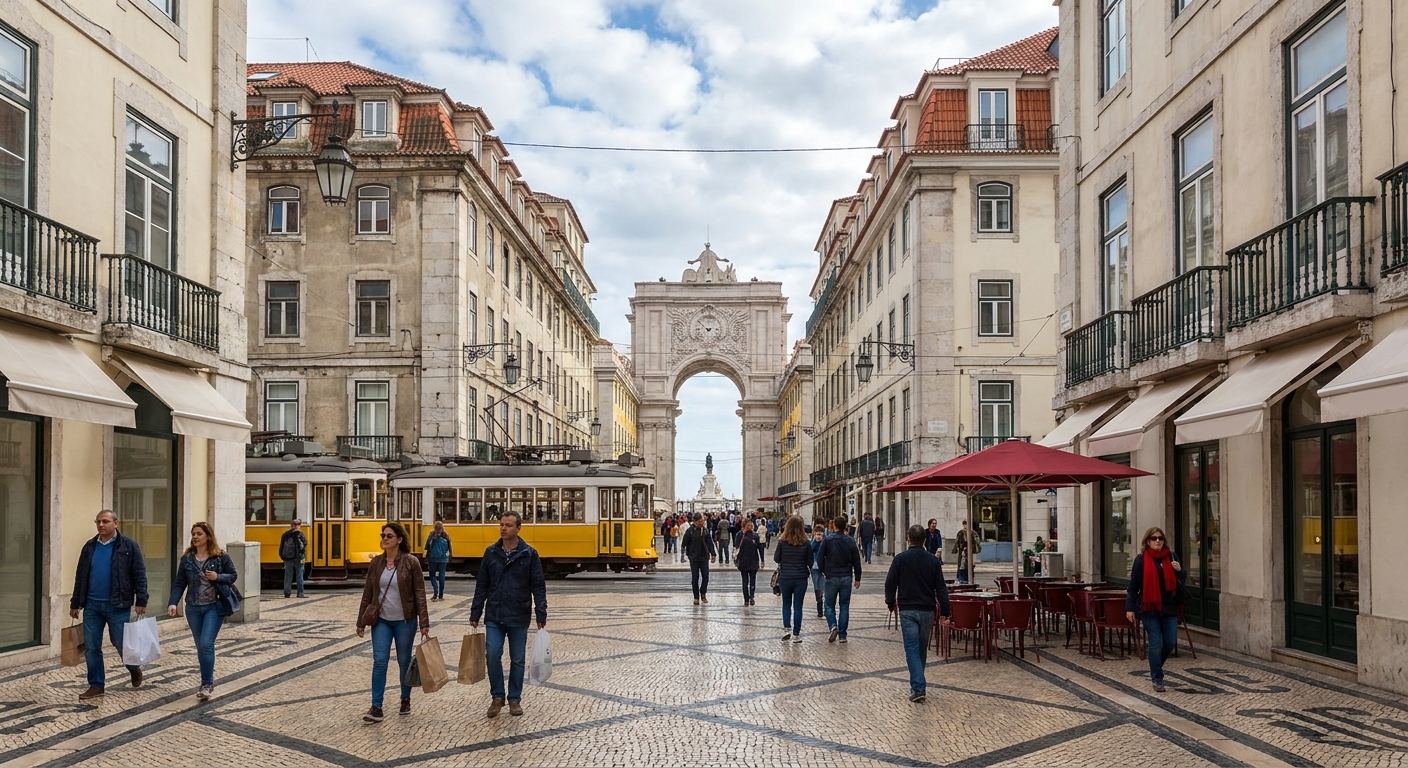 \n\n
\n\n
Day 1 is about getting your bearings in the city’s historic center. The neighborhoods you’ll move through , Baixa, Chiado, and the edges of Bairro Alto , sit close together and reward slow walking more than rushing between sites.
\n\n
\n\n
Start at Praça do Comércio, the grand riverside square that faces the Tagus. It’s one of the largest squares in Europe and gives you an immediate sense of Lisbon’s scale. The Arco da Rua Augusta at the north end of the square costs €2.50 ($2.75) to climb and offers a clear view down the main pedestrian street toward the hills. Worth it. Takes 20 minutes.
\n\n
Walk north up Rua Augusta, the main pedestrian drag through Baixa. This is the part of the city rebuilt after the catastrophic 1755 earthquake and tsunami , the grid layout you’re walking through was designed by the Marquês de Pombal specifically to prevent the chaos of the old city from repeating. The history is right under your feet.
\n\n
\n\n
The Santa Justa Lift is a wrought-iron elevator from 1902 that connects Baixa to the Chiado neighborhood above. The queue can be long in summer. If it is, skip the lift and take the nearby stairs or the Calçada do Carmo , you’ll arrive at the same place in five minutes. The view from the top platform costs €1.50 ($1.65) if you just want the lookout without riding up.
\n\n
The Carmo Convent, a short walk from the lift’s upper exit, is one of the more unusual sights in Lisbon. The 1755 earthquake destroyed its roof and it was never rebuilt. You’re walking through a Gothic skeleton open to the sky, with a small archaeological museum inside. Entry is €5 ($5.50). Don’t skip it.
\n\n
\n\n
Lunch in Chiado. The Time Out Market (Mercado da Ribeira) at Cais do Sodré is a five-minute tram ride away and has food stalls from some of Lisbon’s better-known chefs. Expect to spend €10 to €15 ($11 to $16.50) for a solid meal. It’s busy and touristy, but the quality is real.
\n\n
Spend the afternoon wandering Chiado’s bookshops and the streets of Bairro Alto. The neighborhood is quiet in the afternoon , it comes alive after 10pm. The miradouros (viewpoints) scattered through both neighborhoods are free and worth stopping at. Miradouro de São Pedro de Alcântara has a good view of the castle hill and a small kiosk café.
\n\n
At Dream Book Travel, we recommend building Day 1 around walking rather than ticking off a list of paid sites. Lisbon’s character lives in the streets, the tile facades, and the small pastelarias. A day of wandering Baixa and Chiado with one or two paid stops is more satisfying than sprinting through five museums.
\n\n
Key Takeaway: Day 1 works best as a slow walking day through Baixa and Chiado , two paid stops maximum, the rest on foot.
\n\n
\n\n\n\n
Belém is a 20-minute tram or train ride west of the city center, and it deserves a full morning. This is where Portugal launched the ships that mapped the world , the architecture here was literally paid for with spice trade profits, and you can feel the ambition of it.
\n\n
\n\n
Get to Jerónimos Monastery early. It’s one of the finest examples of Manueline architecture, the Portuguese Gothic style that fused maritime motifs with Gothic stonework , and it holds the tomb of Vasco da Gama. Built in 1502 and funded by the spice trade, the cloisters alone justify the trip. Entry is €10 ($11) for adults, or free with the Lisboa Card.
\n\n
Right outside the monastery, look for the blue awnings of Pastéis de Belém. The custard tarts here have been made to the same recipe since 1837. Two tarts and a coffee will cost you around €4 to €5 ($4.40 to $5.50). The line moves fast , don’t skip it based on the queue length.
\n\n
Walk west along the riverfront to Belém Tower. It’s smaller than photos suggest but genuinely striking up close , a 16th-century fortified tower that sits in the Tagus and served as a beacon for returning explorers. Entry is €6 ($6.60), or free with the Lisboa Card. The interior is narrow and the views from the top are good but not the best in the city. If you’re on a tight budget, walking around the outside is free and gives you most of the experience.
\n\n
\n\n
The National Coach Museum (Museu Nacional dos Coches) is underrated. It holds the largest collection of royal carriages in the world, displayed in a modern building designed by Pritzker Prize-winning architect Paulo Mendes da Rocha. One of the coaches on display has bullet holes , King Carlos was riding in it in 1908 when he and his son were assassinated. Entry is €8 ($8.80).
\n\n
Spend the rest of the afternoon walking the Belém riverside promenade toward the Monument to the Discoveries (Padrão dos Descobrimentos). The monument is shaped like a ship’s prow with 33 historical figures carved into it. You can go inside and take an elevator to the top for €4 ($4.40). The compass rose on the ground outside, showing the routes of Portuguese explorers, is worth a look even if you skip the elevator.
\n\n
Head back to the city center by Tram 15 or the train from Belém station. Both cost around €1.85 ($2) with a Viva Viagem card. The train is faster; the tram gives you more of the riverside view.
\n\n
Evening suggestion: dinner in the Chiado or Príncipe Real area. Príncipe Real sits just north of Bairro Alto and has some of Lisbon’s better restaurants at slightly less tourist-inflated prices. Book ahead for anywhere you specifically want , Lisbon’s better spots fill up.
\n\n
\n\n
Day 3 is for Alfama , Lisbon’s oldest neighborhood, built on the hill above the river. It survived the 1755 earthquake largely intact, which means the street layout is genuinely medieval. Expect steep climbs, narrow alleys, and the best views in the city.
\n\n
\n\n
Start at Castelo de São Jorge. The castle has stood on this hill since at least the 5th century , Visigoths first, then Moorish expansion in the 9th century, then Portuguese kings who used it as a royal residence until the 1500s. The walls have been rebuilt and restored significantly, but the panoramic view from the ramparts is the real draw. Entry is €15 ($16.50). The Lisboa Card covers it.
\n\n
After the castle, walk down through the Alfama alleys rather than taking the direct route back. This is where the neighborhood earns its reputation. The streets are narrow enough that you can touch both walls. Laundry hangs between windows. Fado drifts out of open doorways in the afternoon. It’s one of those places that’s genuinely hard to photograph well because the scale is so intimate.
\n\n
Two viewpoints worth stopping at: Miradouro da Graça (slightly higher, fewer tourists, good café) and Miradouro das Portas do Sol (lower, more touristy, but directly above the Alfama rooftops). Both are free.
\n\n
\n\n
Here’s where you make a choice. If you haven’t been to Sintra and you have the energy, take the 40-minute train from Rossio Station (covered by the Lisboa Card) and spend the afternoon at Pena Palace. It’s genuinely unlike anything else in Europe , a 19th-century Romanticist palace painted in yellow and red, perched above the clouds on a forested hill. Book Pena Palace tickets separately in advance; the Lisboa Card covers the train but not palace entry.
\n\n
If you’d rather stay in Lisbon, the Tile Museum (Museu Nacional do Azulejo) is the best museum in the city that most people skip. Set in a 16th-century convent, it traces the entire history of Portuguese tilework from Moorish-influenced geometric patterns to contemporary artists. Entry is €5 ($5.50). It’s in eastern Lisbon, about a 15-minute metro or Uber ride from Alfama.
\n\n
\n\n
End the trip with Fado. This is Portugal’s traditional music , mournful, expressive, and specific to Lisbon in a way that’s hard to explain until you’ve heard it in a small room. The tourist restaurant version with a cover charge and overpriced dinner exists, and it’s fine but not the real thing. Look for smaller venues near the Fado Museum in Alfama. A cover charge of €15 ($16.50) per person is typical for a legitimate performance. Book ahead.
\n\n
One honest note: some Fado venues near the main tourist drag in Alfama charge €30 to €40 ($33 to $44) per person for dinner plus performance, and the food isn’t worth it. The music is. Pay for the music; eat dinner beforehand at a nearby tasca.
\n\n
If you’re planning a broader Portugal trip after Lisbon, the Dream Book Travel destination guides cover day trip logistics, flight booking strategy, and neighborhood breakdowns for the rest of the country.
\n\n
\n\n
Here’s what the other guides don’t tell you: Lisbon is genuinely affordable by Western European standards, but the tourist-facing version of the city has gotten more expensive in recent years. Budget accordingly.
\n\n
\n\n
\n
Total realistic spend for 3 days, excluding accommodation: roughly €150 to €220 ($165 to $242) per person. That’s on the honest side of mid-range. Budget travelers who eat lunch menus and skip paid viewpoints can get under €120 ($132). Anyone eating at the tourist restaurants around Praça do Comércio will spend more and eat worse.
\n\n
\n\n
Tram 28 is iconic and worth riding once. It’s also extremely crowded in summer and a known spot for pickpockets. Ride it in the morning before 9am or after 4pm. Keep your bag in front of you. The tram doesn’t go to Belém , that’s Tram 15 or the train from Cais do Sodré.
\n\n
The metro is fast and covers most of what you need. Download the Metro de Lisboa app before you arrive , it has live maps and a journey planner in English.
\n\n
\n\n
The tourist restaurants directly facing Praça do Comércio. They’re overpriced and the food is average. Walk one or two streets back and the quality-to-price ratio improves immediately. The Santa Justa Lift is also skippable if the queue is long , the stairs nearby are free and faster.
\n\n
\n\n
\n
Spring (March to May) and early autumn (September to October) are the best times to visit. The weather is warm but not brutal, prices are lower than peak summer, and the city isn’t operating at capacity. According to seasonal travel data, Lisbon’s summer months bring the most crowds, with July and August averaging highs around 85°F (29°C) and long queues at every major site.
\n\n
If you’re planning a trip that includes outdoor adventures beyond city walking, it’s worth knowing that Portugal’s Atlantic coast and the wider Iberian Peninsula offer everything from coastal hiking to off-road experiences. Travelers who enjoy active itineraries sometimes pair a Lisbon city break with a day trip to the coast , similar to how visitors to other destinations combine city exploration with options like a quad bike rental in Mallorca for a different kind of day out.
\n\n
\n\n
\n
Three days gives you a solid introduction to Lisbon’s historic center, Belém, and Alfama, with one day trip option to Sintra. It’s not enough to see everything, but it’s enough to understand what makes the city worth returning to. Most visitors find it a good balance between depth and practicality, especially as part of a longer Portugal trip.
\n\n
\n
Walking covers most of Days 1 and 3 if you’re staying in Baixa or Chiado. The metro is fastest for longer distances. Use Tram 15 or the train from Cais do Sodré to reach Belém. Tram 28 is worth riding once for the experience but is slow and crowded. Uber works well for evenings when you don’t want to handle hills after dinner.
\n\n
\n
The 72-hour Lisboa Card costs around €53 ($58) and covers unlimited public transport plus free entry to Jerónimos Monastery, Belém Tower, São Jorge Castle, and the train to Sintra. If you’re visiting all four of those sites plus using public transport daily, it pays for itself. If you’re skipping Sintra or only doing two paid monuments, buy individual tickets instead.
\n\n
\n
Spring (March to May) and early autumn (September to October) offer the best balance of warm weather, manageable crowds, and lower hotel rates. Summer is hot and busy , July and August average around 85°F (29°C) , but the beaches near Cascais are easily reachable. Winter is quiet and mild, good for museums and café days, with occasional rain.
\n\n
\n
Skip the restaurants directly facing Praça do Comércio , they charge tourist prices for average food. The Santa Justa Lift has a long queue in summer; the stairs nearby are free. Fado shows at large tourist restaurants near Alfama’s main drag are overpriced. Seek out smaller venues near the Fado Museum instead for a more genuine experience at a lower cost.
\n\n
\n
Yes, for the main sites in summer. Jerónimos Monastery and Pena Palace in Sintra both sell out and have long walk-up queues from May through September. Book these at least a few days ahead. For Fado venues, book two to three days in advance year-round. Most museums and viewpoints don’t require advance booking outside peak season.
\n\n
\n\n
Three days in Lisbon works when you stop trying to see all 28 things and commit to a doable plan. Do the historic center on foot on Day 1, give Belém a full morning on Day 2, and save Alfama and Fado for Day 3. That’s the version of this trip you’ll actually remember. For more Portugal planning, the guides at Dream Book Travel cover everything from flight booking strategy to neighborhood-by-neighborhood breakdowns , the kind of detail that makes the difference between a good trip and a great one.
From UNESCO-listed Town Hall to the Schnoor quarter, here are the best things to do in Bremen, Germany — with real prices and honest verdicts.
The best areas to stay in Tokyo, from Shinjuku to Yanaka — honest verdicts, real prices, and who each neighborhood actually suits.
Discover the must-see cities in Italy with honest verdicts, real costs, and insider tips. Perfect for the savvy traveler planning their next Italian adventure.