15 Best Things to Do in Bremen, Germany
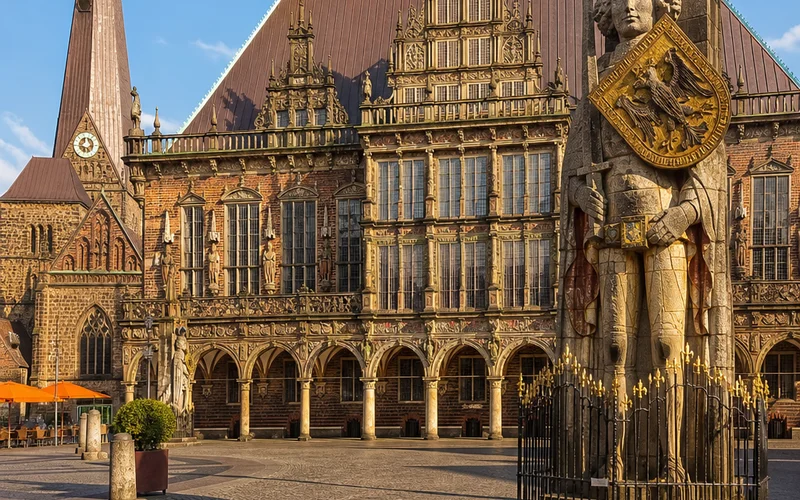
From UNESCO-listed Town Hall to the Schnoor quarter, here are the best things to do in Bremen, Germany — with real prices and honest verdicts.
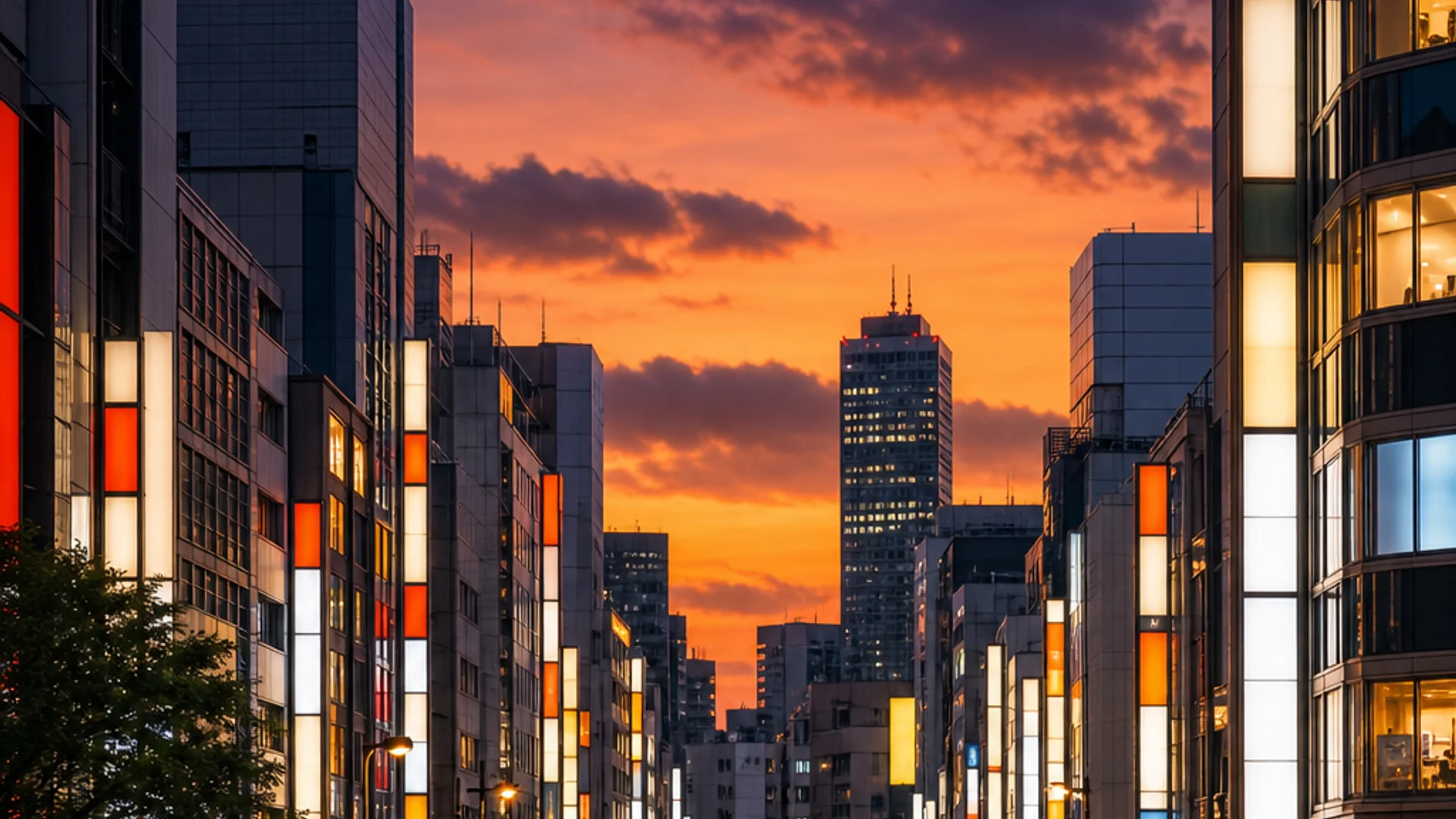
Tokyo has more than 23 wards and hundreds of neighborhoods, and every travel site will tell you a different “best” one. The truth is there’s no single right answer, but there is a right answer for you. Here’s how we break it down at Dream Book Travel, based on what kind of trip you’re actually taking.
Shinjuku is the neighborhood most visitors picture when they think of Tokyo. Giant screens, neon everywhere, a train station that processes more passengers daily than any other in the world. It’s loud. It works.
For a first trip, the logic is simple: you can reach almost any other part of the city from Shinjuku Station without a transfer. The Yamanote Line, the Chuo Line, the Odakyu Line to Hakone, the Narita Express , they all stop here. If you’re worried about getting lost in a city this size, staying near a hub this well-connected takes one major variable off the table.
Hotels range from capsule options around 4,000 yen ($27) per night on the east side to mid-range business hotels in the 15,000 to 20,000 yen ($100 to $135) range. The west exit area, near the skyscraper district, runs quieter at night than Kabukicho to the east.
The honest caveat: Shinjuku is crowded. Rush hour at the station is genuinely overwhelming, and the streets around Kabukicho aren’t suited for families with young kids. If you want atmosphere over convenience, read on.
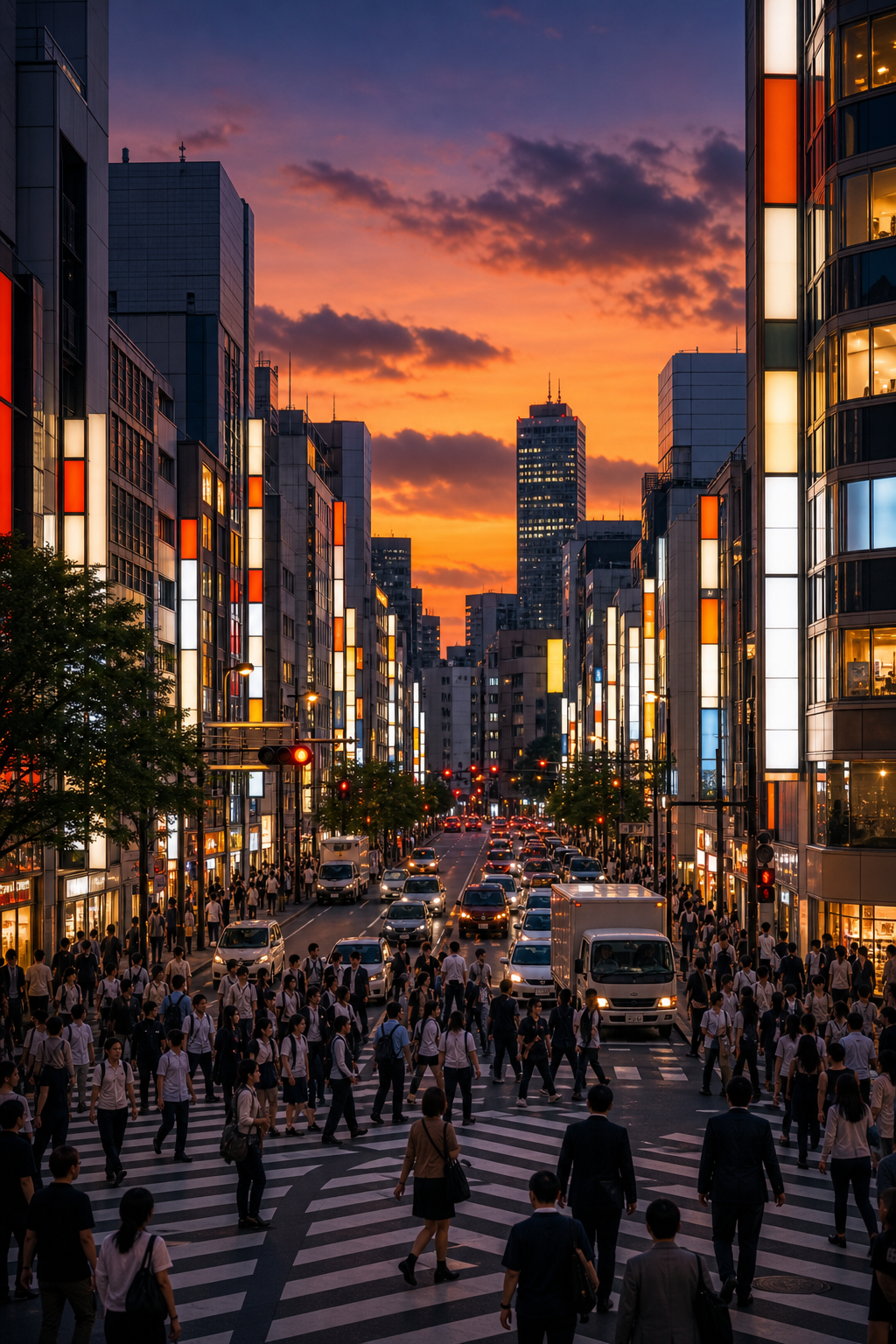
If you plan to make day trips to Nikko, Hakone, or Kamakura, Shinjuku’s transport access alone can save you 30 to 40 minutes each way. That adds up over a week. For an itinerary-heavy trip, the neighborhood earns its place at the top of the list.
Shibuya and Shinjuku are often compared, and honestly the overlap is real. Both are commercial, loud, and crammed with options. The key difference is tone. Shinjuku skews slightly older and more corporate. Shibuya skews younger, with a fashion-forward energy you feel the moment you exit the station.
The Scramble Crossing is here, and yes, it’s worth seeing at least once , especially at night when the screens are running at full volume. But Shibuya’s real draw is what surrounds the crossing: Shibuya 109 for fashion, the Hikarie shopping complex, and a nightlife scene that runs younger and cheaper than Roppongi.
Hotels in Shibuya average around 18,000 to 25,000 yen ($120 to $170) per night for a decent mid-range room. There are budget options, but they tend to be further from the station. The area also connects to Shimokitazawa and Daikanyama in minutes, which are two of the more interesting neighborhoods for anyone who wants to explore beyond the main drag.
One honest knock: Shibuya’s dining scene, while large, leans toward chains and tourist-friendly spots around the station. The guides won’t always tell you that the best eating is actually a 10-minute walk away in Daikanyama or across the Meguro River toward Nakameguro. Plan accordingly.
If you’re coming primarily for shopping, nightlife, or you’re traveling with people in their 20s, Shibuya makes more sense than Shinjuku. The vibe is less hectic and more curated.
Asakusa sits in the northeast of central Tokyo and it’s the closest thing the city has to old Edo. Sensoji Temple, the giant red lantern at Kaminarimon gate, Nakamise Dori lined with craft shops and snack stalls. It photographs beautifully. But here’s the thing people don’t expect: it also functions as a genuine neighborhood.
The tourist crowds peak between 10am and 4pm around the temple. Before 8am and after 6pm, the same streets feel entirely different. The izakayas fill up with locals, the craft shops stay interesting, and the Sumida River at dusk is one of the better free views in the city.
Accommodation here is the most interesting of any neighborhood on this list. Ryokans , traditional Japanese inns , are genuinely accessible at prices that don’t require a special budget. Rates at well-reviewed ryokans near the temple start around 15,000 yen ($100) per night. Some offer views of Sensoji’s pagoda from the room. A few include shared mineral baths. For travelers who want something more memorable than a standard hotel box, this is where to look.
The tradeoff is transit. Asakusa is on the Ginza and Asakusa subway lines, plus the Tobu Skytree Line, but it sits in the northeast corner of the central area. Getting to Shibuya or Shinjuku takes 30 to 40 minutes. If your itinerary is weighted toward the western side of the city, factor that in. If you’re planning to spend real time in Asakusa, Ueno, and the Sumida area, the location is ideal and the best izakaya in Tokyo are closer than you might think.
Pro Tip: Book a ryokan room with a pagoda view well in advance. They sell out months ahead, especially for spring and autumn travel windows when the temple grounds are at their most photogenic.
Ginza is Tokyo’s most expensive retail district and one of its most polished neighborhoods. It’s where you go for Michelin-starred dining, high-end department stores, and the kind of hotel lobby that feels like a statement. If you’re here on a corporate card, Ginza makes complete sense.
The area centers on Tokyo’s downtown core and sits close to Tokyo Station, which means Shinkansen access to Osaka or Kyoto is minutes away. Tsukiji Market , still operating as a retail and dining market after the wholesale operations moved to Toyosu , is a short walk. The fish breakfast before 8am at Tsukiji is a genuine experience, not a tourist gimmick.
Hotel rates in Ginza are the highest in the city for mainstream options. Expect to pay 30,000 to 60,000 yen ($200 to $400) per night for a decent room. There are lower options toward the edges of the district, but if budget is a concern, the same central location is better served by Nihonbashi or Kyobashi nearby at a lower price point.
Ginza is also one of the quietest central neighborhoods after 9pm. The shopping closes early, the streets calm down, and the restaurants do serious service. For business travelers who need to be rested and on time, that’s a genuine plus. For anyone who wants nightlife walking distance from their room, it’s the wrong choice.
These two neighborhoods sit close enough together that staying between them makes usable sense. Ueno Station is one of Tokyo’s most important transit hubs, with access to the Keisei Skyliner to Narita Airport (around 1,270 yen or $8.50, compared to the Narita Express at 3,070 yen or $20), multiple subway lines, and Shinkansen routes heading north. If you’re arriving from Narita and want to get to your hotel fast and cheap, Ueno is the most logical base in central Tokyo.
Ueno itself has real substance beyond the station. Ueno Park holds several of Tokyo’s major museums , the Tokyo National Museum, the National Museum of Nature and Science, and the Ueno Zoo , on a single walkable plot of land. The park is famous for cherry blossoms in late March and early April, which is the most competitive hotel-booking window of the year across the entire city.
Ameyoko, the covered shopping street that runs under the train tracks between Ueno and Okachimachi stations, is about 500 meters of produce stands, seafood sellers, clothing shops, and izakayas. It’s genuinely local in a way that Asakusa’s shopping streets aren’t. The evening crowd is working-class Tokyo, not tourists with cameras.
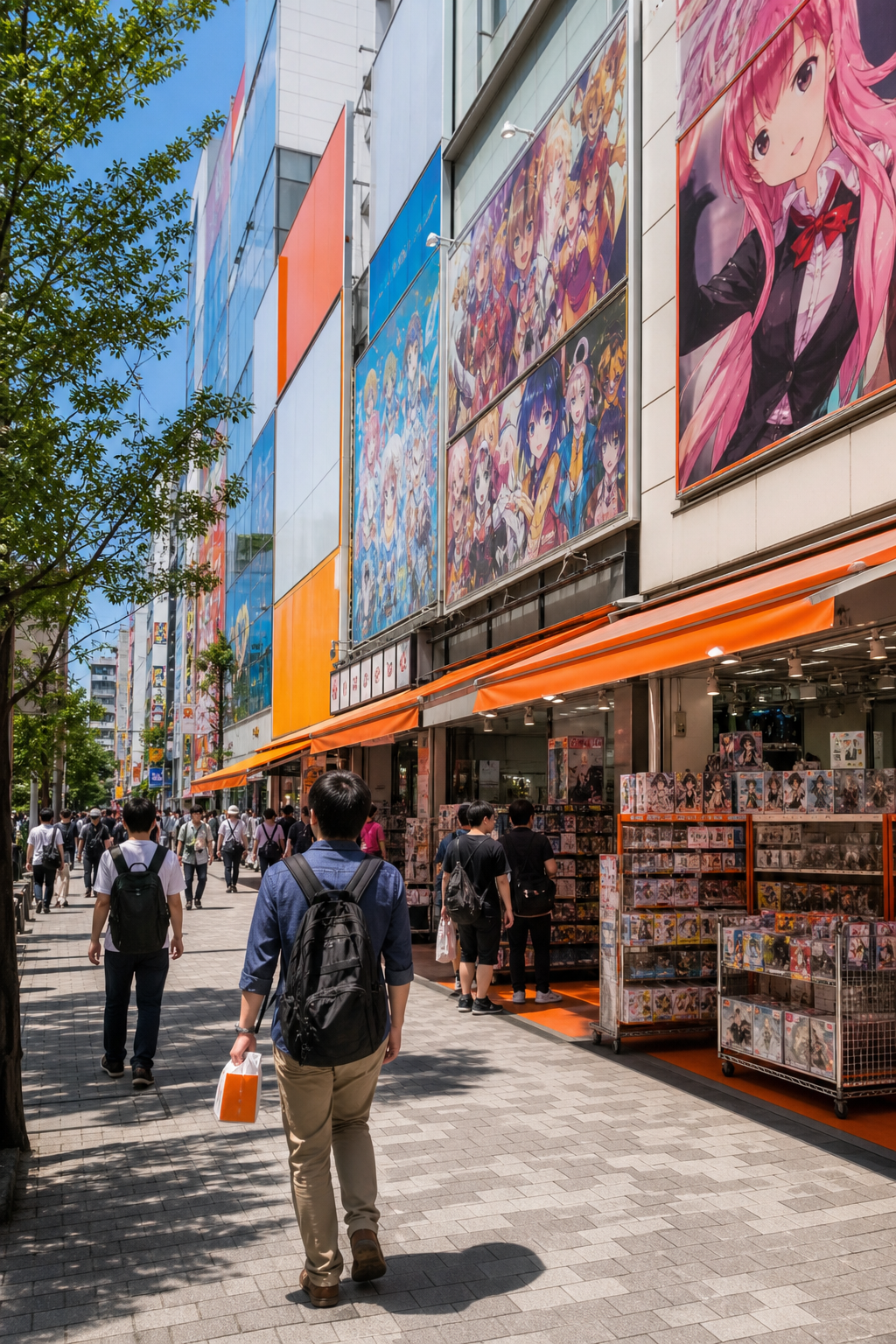
Akihabara is a 10-minute walk or one train stop south. Originally a district for electronics components, it’s now ground zero for anime, manga, and gaming merchandise. Fans of that world can spend days here. For travelers who aren’t interested, it’s easy to skip. The 2k540 Aki-Oka Artisan market, a stretch of artisan shops and cafes built under the improved tracks between Akihabara and Okachimachi, is worth a stop for anyone interested in Japanese craft goods regardless of anime interest.
Budget accommodation between these two neighborhoods runs around 6,000 to 12,000 yen ($40 to $80) per night for a clean, private room. It’s the most affordable central location on this list.
Yanaka is not the neighborhood for visitors who need to cover ground fast. It’s the neighborhood for people who’ve been to Tokyo before, or first-timers who’d rather understand one small corner of the city deeply than tick off every major sight.
The area survived the 1923 Great Kanto Earthquake largely intact, which means it still has the low-rise wooden buildings, narrow alleys, and neighborhood temples that most of central Tokyo lost to redevelopment. There are over 70 Buddhist temples and shrines in the Yanaka area. Cats are everywhere. The cemetery at Yanaka Reien is a genuinely peaceful place to walk, which sounds like a strange recommendation until you’re actually there.
Yanaka Ginza, the main shopping street, is a short covered arcade selling traditional snacks, handmade crafts, and food at prices aimed at locals rather than tourists. A grilled rice ball costs around 200 yen ($1.35). A handmade pottery cup might run 800 to 1,500 yen ($5 to $10). Nothing here feels performative.
Accommodation options are smaller and fewer than in the major neighborhoods. Ryokans and guesthouses in the 8,000 to 15,000 yen ($55 to $100) range are the main options. There are no major hotel chains. That’s the point. Yanaka is two to three subway stops from Ueno, so transit isn’t hard, but the neighborhood itself rewards walking and getting genuinely lost. If your idea of a good evening is sake from a convenience store and a long walk through temple alleys, Yanaka will be a highlight of the trip.
Key Takeaway: Yanaka suits return visitors and slow travelers most. First-timers who plan to see the city’s major sights from a single base may find the limited transit connections a frustration.
Shimokitazawa sits 15 minutes from Shibuya by train and exists in almost complete contrast to it. The neighborhood has vintage clothing shops, basement jazz clubs, a dense concentration of live music venues, and coffee shops that take their beans seriously. A May 2026 Forbes piece on Shimokitazawa compared it to Silver Lake and Williamsburg, which isn’t wrong, but also doesn’t fully capture what makes it different from those neighborhoods.
The key thing about Shimokita is timing. Most shops don’t open until noon, and the neighborhood’s real energy starts late afternoon and runs well past midnight. Coming here at 9am expecting a full experience is a mistake. The advice from locals is: start late, go late.
New York Joe Exchange, a vintage clothing store built inside a former bathhouse with the original tiles still in place, is the area’s signature shop. Vintage here runs from streetwear and leather jackets to designer archive pieces. Bonus Track, a small courtyard a few minutes from the station, has a book-and-beer shop, a sake store, and a record shop serving Taiwanese food in the same building. These aren’t tourist attractions , they’re just where people go.
For accommodation, the Mustard Hotel Shimokitazawa is the well-known option and regularly mentioned as one of Tokyo’s better boutique stays. The ryokan Yuen Bettei Daita sits at the neighborhood’s edge and offers tatami rooms with baths fed by alkaline hot spring water sourced from Ashinoko Onsen in Hakone , a genuine onsen experience inside a city hotel.
Shimokitazawa works best for travelers who don’t have a packed sightseeing schedule and enjoy finding things without a plan. If you’re the kind of person who adds ‘reddit’ to every search because you’re tired of the same ten recommendations, this neighborhood was built for you. The guides won’t send you here. That’s precisely why it’s worth considering.
One caveat: Shimokitazawa has limited direct transit to the major tourist areas. You’ll pass through Shibuya or Shinjuku for most connections, which adds 15 to 20 minutes to each outing. For a short first trip, that time adds up.
Different travelers need different bases. The table below gives a direct comparison across the factors that actually matter when choosing where to stay.
| Neighborhood | Best For | Budget (per night) | Transit Access | Nightlife | Traditional Feel |
|---|---|---|---|---|---|
| Shinjuku | First-timers, transit-dependent itineraries | ¥4,000–¥20,000 ($27–$135) | Excellent | High | Low |
| Shibuya | Young travelers, shoppers, nightlife | ¥18,000–¥25,000 ($120–$170) | Excellent | High | Low |
| Asakusa | Culture, ryokan stays, temple access | ¥15,000–¥30,000 ($100–$200) | Good | Moderate | High |
| Ginza | Business travel, luxury dining | ¥30,000–¥60,000 ($200–$400) | Excellent | Low | Low |
| Ueno/Akihabara | Budget stays, museum-goers, niche interests | ¥6,000–¥12,000 ($40–$80) | Excellent | Moderate | Moderate |
| Yanaka | Slow travel, return visitors | ¥8,000–¥15,000 ($55–$100) | Moderate | Low | Very High |
| Shimokitazawa | Independent travelers, local scene | ¥12,000–¥22,000 ($80–$150) | Good | High | Moderate |
Budget figures are approximate ranges for mid-range private accommodation and will shift with season and booking timing. Cherry blossom season (late March to early April) and Golden Week (late April to early May) push rates up significantly across all neighborhoods. Book at least two to three months ahead for those windows. For a broader view of how Tokyo fits into a longer Japan itinerary, to the best places to visit in Japan.
Start with one question: how many days do you have? For three to five days, pick a neighborhood on the Yamanote Line or close to it. That circular train line connects Shinjuku, Shibuya, Ueno, and the major central hubs. Being within two stops of it means almost nothing in central Tokyo is more than 40 minutes away.
For trips of seven days or longer, a two-base approach makes sense. Many travelers spend the first half in Shinjuku or Shibuya for convenience and the second half in Asakusa or Yanaka for texture. This costs more in hotel switching but gives you two genuinely different versions of the city.
Think about your evenings. If late-night meals and bars matter to you, stay in Shinjuku, Shibuya, or Shimokitazawa where options run past midnight. If you’re usually in bed by 10pm, Ginza or Yanaka won’t feel like a compromise. And if you’re traveling with young children, the quieter residential-adjacent neighborhoods , Ueno, Asakusa, Yanaka , are easier to manage than the pure entertainment districts.
One thing Dream Book Travel always flags: don’t anchor your decision entirely to proximity to a single sight. Tokyo’s subway is fast and inexpensive. The Suica card, a rechargeable transit card that works on virtually every train and subway line in the city, makes it simple to move around. A single subway ride rarely costs more than 200 yen ($1.35). Staying somewhere you love for 30 extra minutes of transit per day is a reasonable trade.
If you’re planning an extended stay or working remotely from Tokyo, neighborhoods like Shimokitazawa and Yanaka have cafes set up for long sessions. For more on Japan destinations that suit extended stays and slower travel, the Dream Book Travel Japan destination guide covers the broader country with the same approach.
Shinjuku is the most usable base for a first trip. It has the city’s best train connections, a wide range of hotel prices, and easy access to both the tourist sights and the major commercial districts. If you want more atmosphere and can accept slightly longer transit times, Asakusa is a strong alternative that gives you a more memorable base with traditional inn options starting around 15,000 yen ($100) per night.
Both work, but they suit different travelers. Shinjuku has better transit links and a slightly wider range of accommodation prices. Shibuya skews younger with a stronger fashion and nightlife scene. If your trip is mainly sightseeing, Shinjuku’s connectivity wins. If shopping and late nights are the priority, Shibuya edges ahead. Many visitors find the 10-minute train ride between them makes the choice less important than it seems.
The Ueno and Akihabara corridor offers the best combination of price and central location. Private rooms run from around 6,000 to 12,000 yen ($40 to $80) per night, and Ueno Station’s Keisei Skyliner connection to Narita Airport costs about 1,270 yen ($8.50), significantly less than the Narita Express from other central neighborhoods. Asakusa also has budget guesthouses and the cheaper end of the ryokan market.
Asakusa and Yanaka are the two strongest options. Asakusa has the famous Sensoji Temple and well-established ryokans with traditional room styles and baths. Yanaka is quieter and less touristed, with wooden alleys, over 70 temples, and a pace that feels genuinely unchanged from decades ago. Yanaka suits return visitors or slow travelers; Asakusa works well for any trip length.
Yes, for the right traveler. Shimokitazawa is one of Tokyo’s most genuinely local neighborhoods, with vintage shops, live music venues, and coffee culture that doesn’t cater to tourists. It’s 15 minutes from Shibuya and connects easily to central Tokyo. The caveat is that it requires passing through Shibuya or Shinjuku for most journeys, adding transit time. First-timers with packed itineraries may find it inconvenient. Return visitors and independent travelers who like to wander tend to love it.
For standard travel windows, two to four weeks in advance is usually enough. For cherry blossom season (late March to mid-April), Golden Week (late April to early May), and the autumn foliage period (mid-November), book two to four months ahead. Ryokans with views of Sensoji pagoda and boutique hotels in Asakusa and Shimokitazawa sell out well before major travel windows.
For a first trip under five days, I’d put my bags in Shinjuku and spend a morning in Yanaka before leaving the city. For a second trip with more time, Asakusa with a ryokan near the temple. For an open-ended stay with remote work in the mix, Shimokitazawa without hesitation. The right neighborhood is the one that fits how you actually travel, not the one that looks best on a map. If you want to dig deeper before you book, Dream Book Travel’s Tokyo content covers neighborhoods, izakayas, and on-the-ground logistics , all vetted, no filler. Start with the guide to Japan’s top destinations if you’re still building the wider itinerary.
From UNESCO-listed Town Hall to the Schnoor quarter, here are the best things to do in Bremen, Germany — with real prices and honest verdicts.
Discover the must-see cities in Italy with honest verdicts, real costs, and insider tips. Perfect for the savvy traveler planning their next Italian adventure.
Discover Tokyo's most underrated neighborhoods, cafés, and parks. A curated list of hidden gems in Tokyo for savvy travelers seeking authentic experiences.