Best Overlooked Spots: Hidden Gems in Tokyo
Discover Tokyo's most underrated neighborhoods, cafés, and parks. A curated list of hidden gems in Tokyo for savvy travelers seeking authentic experiences.
Most travelers blow through Italy’s top cities in a day or two, then wonder why they felt rushed. The research backs that up: across the most-recommended Italian destinations, the average suggested stay is under two days. That’s not enough time to do them justice, but it’s a useful baseline for building a realistic itinerary. Here’s where we think your time is best spent, and why.
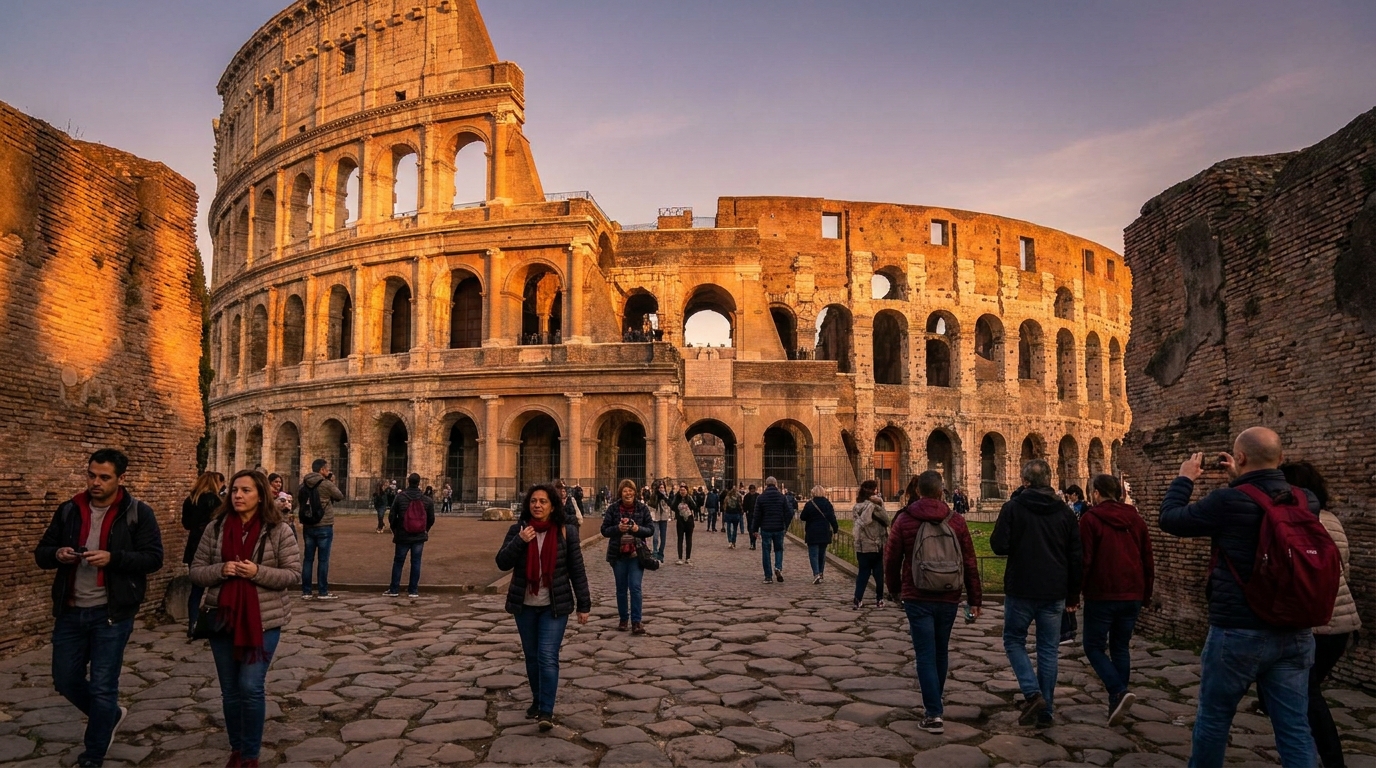
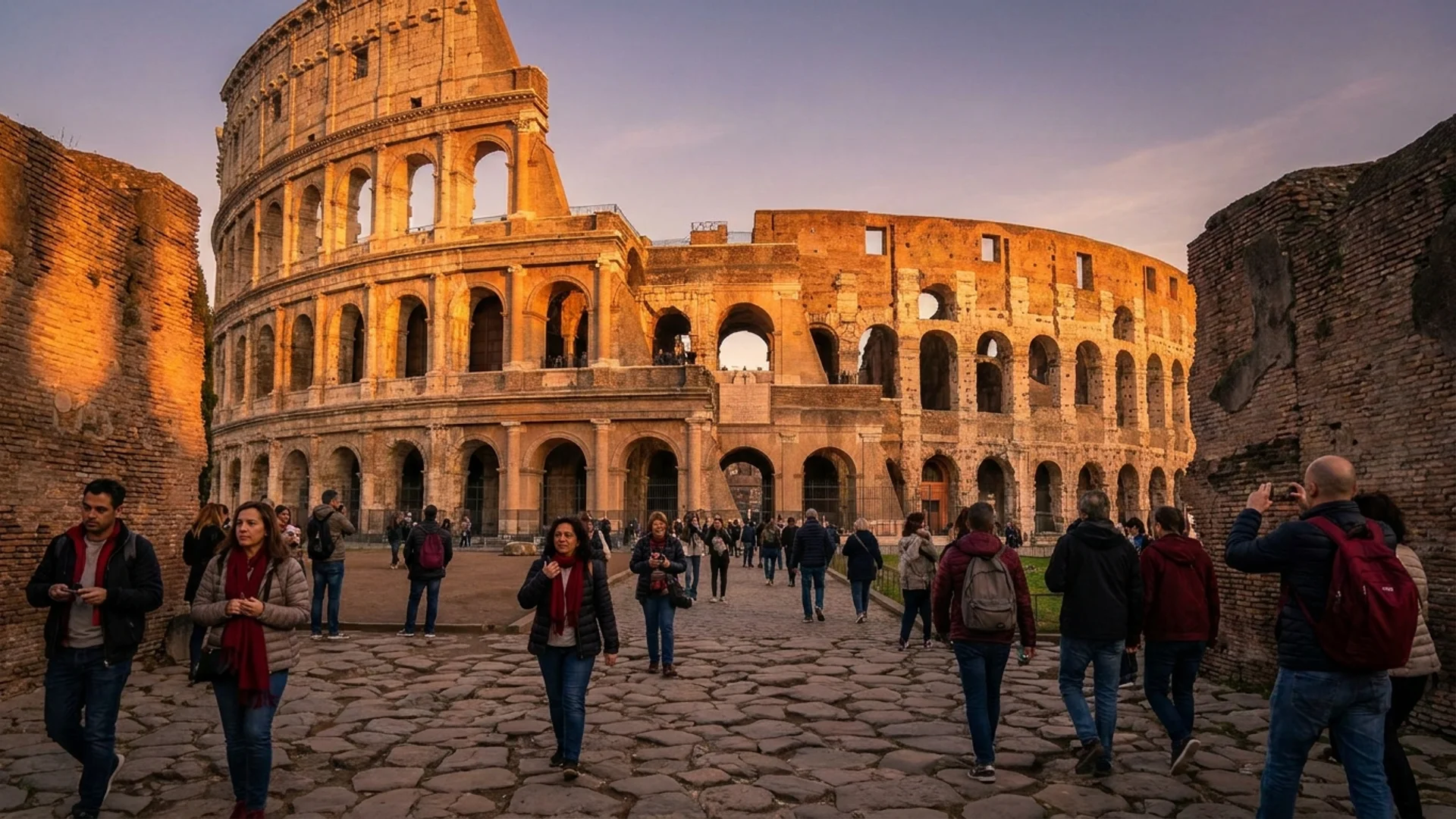
Rome is the city that earns its reputation. Every list of must-see cities in Italy puts it first, and honestly, that’s not hype. It’s the weight of what’s here: the Colosseum, the Roman Forum, the Vatican, the Pantheon, all within a few kilometers of each other. You could spend a week and still feel like you missed something.
Plan for at least three days. Two if you’re ruthless about priorities. One day is not enough, and anyone who tells you otherwise has only seen the inside of tourist queues.
If you’re mapping out a multi-country itinerary, the best places to visit in Europe guide shows where Italy fits among other top destinations.
The Colosseum costs €16 for a standard adult ticket (roughly $17 USD), but book online in advance or you’ll lose 90 minutes standing in line. The Vatican Museums are €20 ($22 USD) and the same rule applies. Budget travelers can get a lot for free: the Pantheon’s exterior, the Trevi Fountain, the Spanish Steps, and most of Rome’s piazzas cost nothing.
One honest caveat: Rome in July and August is genuinely brutal. Temperatures regularly hit 35°C (95°F) and the crowds are at their worst. The [official Italian tourism board](<“https://www.italia.it/en”> ""Official”) consistently points to April through June and September through October as the best windows, and we agree. Shoulder season Rome is a different city.
Skip the hop-on hop-off bus. Walk or take the Metro. The bus is slow, the commentary is thin, and you’ll cover more ground on foot.
Florence is smaller than people expect, and that’s one of its best qualities. The historic center is walkable. The Uffizi Gallery, the Duomo, the Ponte Vecchio, and the Accademia (home to Michelangelo’s David) are all within a 20-minute walk of each other. You can do Florence properly in two days if you plan it right.
The Uffizi is the headline attraction, and it deserves the attention. Entry runs €20 ($22 USD) for adults. Book at least a week ahead during peak season or you’ll either miss it or queue for two hours. The Accademia is €16 ($17 USD) and equally worth pre-booking.
One thing the guides won’t always tell you: the Duomo’s exterior is free to admire, but climbing the dome costs €30 ($33 USD) and involves 463 steps. It’s worth it for the view over the terracotta rooftops, but factor it into your budget and your knees.
Florence rewards slow mornings. Get to the Uffizi when it opens at 8:15 AM. The first hour is noticeably quieter. Then walk across the Ponte Vecchio before the jewelry vendors set up and the selfie crowds arrive. Afternoon is for the Oltrarno neighborhood on the south side of the Arno, which is less polished and more local.
For broader European trip planning, the best places to visit in Europe guide on Dream Book Travel puts Florence in context alongside other top destinations worth your travel days.
The one thing Florence gets wrong: restaurant pricing near the Duomo is tourist-tax territory. Walk two streets in any direction and the same pasta costs half as much.
Venice is unlike anywhere else in Italy, or the world. The canal system, the absence of cars, the way the city sits directly on the water: it’s genuinely strange and genuinely worth seeing. But it’s also one of the most over-touristed places on the planet, and if you visit in peak summer you’ll spend most of your time handling crowds on bridges rather than actually experiencing the city.
Two days is the right amount of time. One day feels rushed. Three days starts to feel repetitive unless you’re doing island day trips to Murano or Burano.
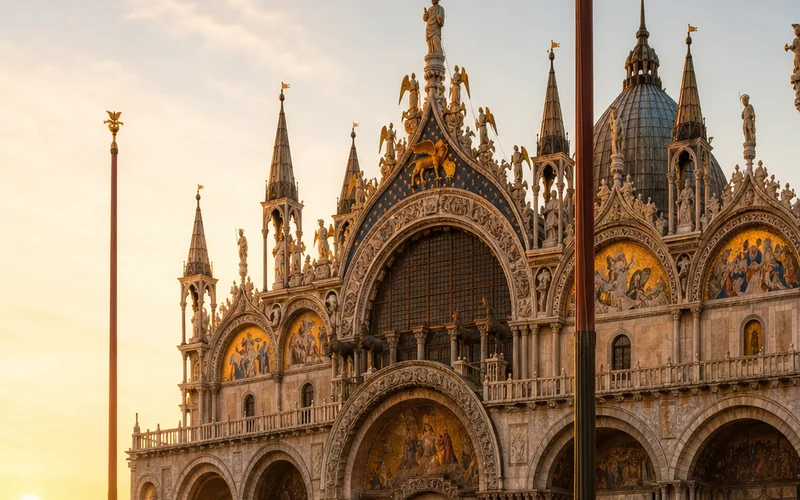
St. Mark’s Basilica is free to enter but has a dress code (covered shoulders and knees). The Doge’s Palace costs €30 ($33 USD) for adults. A vaporetto (water bus) day pass runs €25 ($27 USD) and is the usable way to get around. A gondola ride is €80-100 ($88-110 USD) for 30 minutes. It’s a tourist experience, not transport, and that’s fine as long as you know what you’re paying for.
Venice introduced a day-visitor entry fee in 2024 for peak days, currently €5 ($5.50 USD) for day-trippers entering the historic center. Check the [Venice Wikipedia entry](<“https://en.wikipedia.org/wiki/Venice”> ""Venice”) for current entry rules before you go, as the scheme is still evolving. If you’re staying overnight, you’re exempt.
For a full breakdown of what’s worth your time on the water, the best things to do in Venice covers real prices and honest verdicts on every major sight and experience.
Pro Tip: Stay at least one night in Venice. Day-trippers flood the main routes between 10 AM and 6 PM. If you’re there in the evening and early morning, you’ll have the narrow calli (alleyways) almost to yourself. The city feels completely different without the crowds.
Naples gets a bad reputation from people who’ve never been, and a complicated one from people who have. It’s loud, chaotic, and not particularly polished. It’s also one of the most alive cities in Italy, with some of the best food in the country and a raw energy that Florence and Rome don’t have.
The top attraction here is the city’s main archaeological museum, which holds the best collection of artifacts from Pompeii and Herculaneum. Entry is €15 ($16.50 USD). Pompeii itself is a day trip: about 30 minutes by regional train from Naples Central Station (around €3.50 each way, or $3.80 USD), and entry to the archaeological site is €16 ($17.5 USD).
A pizza Margherita at one of the old-school pizzerias in the Spaccanapoli neighborhood costs €4-6 ($4.5-6.6 USD). That’s not a rounding error. Naples is meaningfully cheaper than Rome or Florence for food and accommodation.
Naples is also the natural base for the Amalfi Coast. Positano, Ravello, and Amalfi are all reachable by ferry or bus. A local bus from Sorrento to Amalfi costs around €2.40 ($2.60 USD) but takes 90 minutes on winding coastal roads. Ferry services are faster and more comfortable but cost more, typically €15-25 ($16.5-27.5 USD) depending on the route. If you’re the kind of traveler who likes to explore beyond the main cities, renting a quad bike or scooter opens up coastal routes that buses simply can’t cover. Sites like quad bike rental guides for other Mediterranean destinations give a sense of what that kind of trip planning involves.
For ideas on other must‑see European cities, see the best places to visit in Europe article.
One honest trade-off: Naples requires more street awareness than other Italian cities. Keep your bag in front of you on the metro and in busy areas. That’s not fear-mongering, just usable.
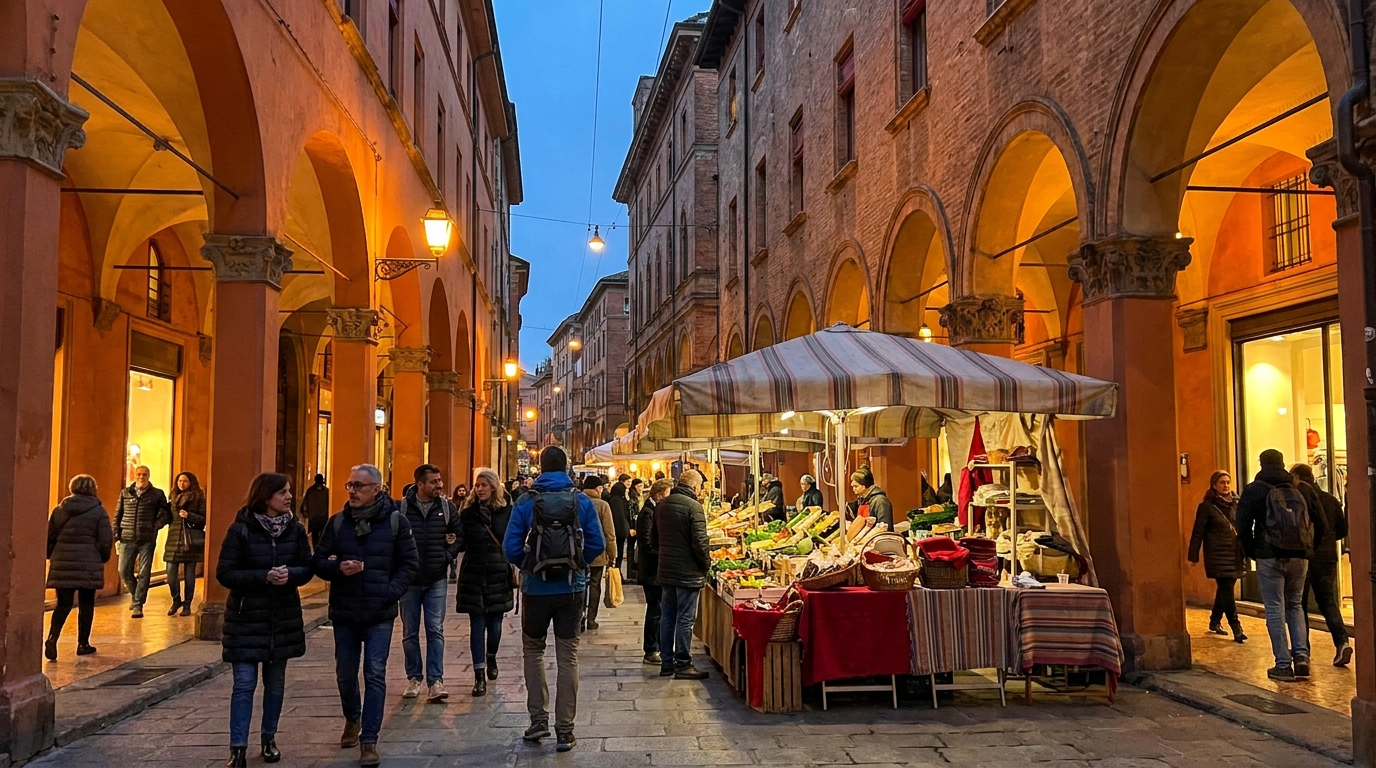
Bologna is the most underrated city on this list. It’s not on most first-timer itineraries, and that’s a mistake. The food alone justifies the detour: this is where ragù bolognese, mortadella, and tagliatelle actually come from. The real versions bear almost no resemblance to what gets exported.
The city’s porticoes (covered walkways) run for nearly 40 kilometers and are a [UNESCO World Heritage Site](<“https://en.wikipedia.org/wiki/Porticoes_of_Bologna”> ""Porticoes”), inscribed in 2021. Walking them is free and genuinely pleasant in any weather. The Two Towers (Asinelli and Garisenda) are the visual landmark: climbing the Asinelli Tower costs €5 ($5.5 USD) and gives you the best view in the city.
Planning a side trip to Venice? The best things to do in Venice page breaks down costs and experiences in detail.
Bologna is also a university city, which keeps prices lower and the energy younger than you’d expect. A sit-down lunch at a local trattoria in the university quarter runs €12-18 ($13-20 USD) for a full meal with wine. That’s half what you’d pay in central Florence for the same quality.
Key Takeaway: Bologna works well as a one or two night stop between Florence and Venice on a rail itinerary. The high-speed train from Florence takes 37 minutes (around €15-25/$16.5-27.5 USD) and from Venice about 90 minutes.
The one thing to skip: the tourist-facing “food tours” near the central market are overpriced. Go to the Mercato di Mezzo yourself, buy mortadella and a glass of Pignoletto, and eat standing up like everyone else. It costs €6 ($6.6 USD) and it’s better.
Here’s a usable side-by-side view of the five cities to help you decide where to spend your days. Times and costs are approximate and subject to change.
| City | Recommended Stay | Best Months | Top Attraction | Avg. Entry Cost (Adult) | Best For | Skip If |
|---|---|---|---|---|---|---|
| Rome | 3 days | Apr–Jun, Sep–Oct | Colosseum / Vatican | €16–20 ($17–22) | History, architecture, food | You hate crowds in July–Aug |
| Florence | 2 days | Apr–Jun, Sep–Oct | Uffizi Gallery / Duomo | €16–20 ($17–22) | Art, walkable city breaks | You want nightlife |
| Venice | 2 days | Apr–May, Sep–Oct | St. Mark’s Basilica | Free–€30 ($0–33) | Unique atmosphere, day trips | You’re visiting in August |
| Naples | 2 days | Apr–Jun, Sep–Oct | Archaeological Museum / Pompeii | €15–16 ($16.5–17.5) | Food, Amalfi Coast base | You want a relaxed pace |
| Bologna | 1–2 days | Apr–Jun, Sep–Oct | Two Towers / Porticoes | €5 ($5.5) | Food, affordability, rail hub | You only have 7 days total |
If you’re building a 7-day trip around these cities, Rome and Florence anchor it. Venice and Naples each earn two days. Bologna fits naturally as a one-night stop on the train between Florence and Venice, which is how we’d structure it for most travelers.
Rome, Florence, and Venice are the three cities most first-timers should prioritize. Rome for ancient history and scale, Florence for art and walkability, Venice for its completely singular atmosphere. If you have more than seven days, add Naples for the food and the Amalfi Coast access. Bologna works as a short stop if you’re traveling by rail between Florence and Venice.
Three days in Rome is the minimum to cover the main sites without feeling rushed. Two days each in Florence and Venice is enough for a solid visit. Naples and Bologna both work well as two-day and one-to-two-day stops respectively. Most itineraries underestimate Rome and overestimate Venice. The data on recommended stays averages under two days across popular lists, but that’s a bare minimum, not a target.
April through June and September through October are the best months across the board. Crowds are manageable, temperatures are comfortable, and prices are lower than peak summer. July and August bring extreme heat in Rome and Naples and maximum tourist density in Venice. If you have flexibility, late September is particularly good: summer crowds have thinned, but the weather is still warm.
It depends heavily on the city. Rome and Florence are mid-range European cities. Venice adds a premium for accommodation simply because of limited supply. Naples is noticeably cheaper for food and lodging. Bologna is the best value of the five cities here. High-speed rail between cities is affordable: Rome to Florence runs €19-35 ($21-38 USD) booked in advance on the national rail service or Italo.
Venice in August. The city itself is extraordinary, but visiting during peak summer puts you in a slow-moving crowd for most of the day. The experience is genuinely diminished. If you can only go in summer, stay overnight: the morning and evening hours when day-trippers have left are a completely different city. The architecture and canals don’t change, but your ability to actually experience them does.
Italy rewards planning more than most countries. The cities on this list are all worth your time, but they’re not equal fits for every traveler. Rome is non-negotiable for a first visit. Florence and Venice are close behind. Naples and Bologna are for the traveler who wants more than the obvious circuit. If you’re working out how to sequence these into a realistic trip, the Dream Book Travel Europe planning guide is a good next step for putting Italy in the context of a broader itinerary.
Discover Tokyo's most underrated neighborhoods, cafés, and parks. A curated list of hidden gems in Tokyo for savvy travelers seeking authentic experiences.
Discover five off‑beat activities in Vienna—from secret museums to hidden nature spots—that give you a fresh, honest travel experience.
From St. Mark's Basilica to cicchetti bars and island day trips, here are the best things to do in Venice — with real prices and honest verdicts.