Top Unusual Things to Do in Vienna
Discover five off‑beat activities in Vienna—from secret museums to hidden nature spots—that give you a fresh, honest travel experience.
Most Tokyo itineraries hit the same five stops. We’ve spent enough time in this city to know the spots the guides won’t tell you about, and most of them cost under ¥1,000 ($7). If you’re mapping a broader Japan adventure, our best places to visit in Japan guide gives context for where Tokyo fits. Here are five genuinely overlooked places worth building a day around, plus how to decide which fits your trip.
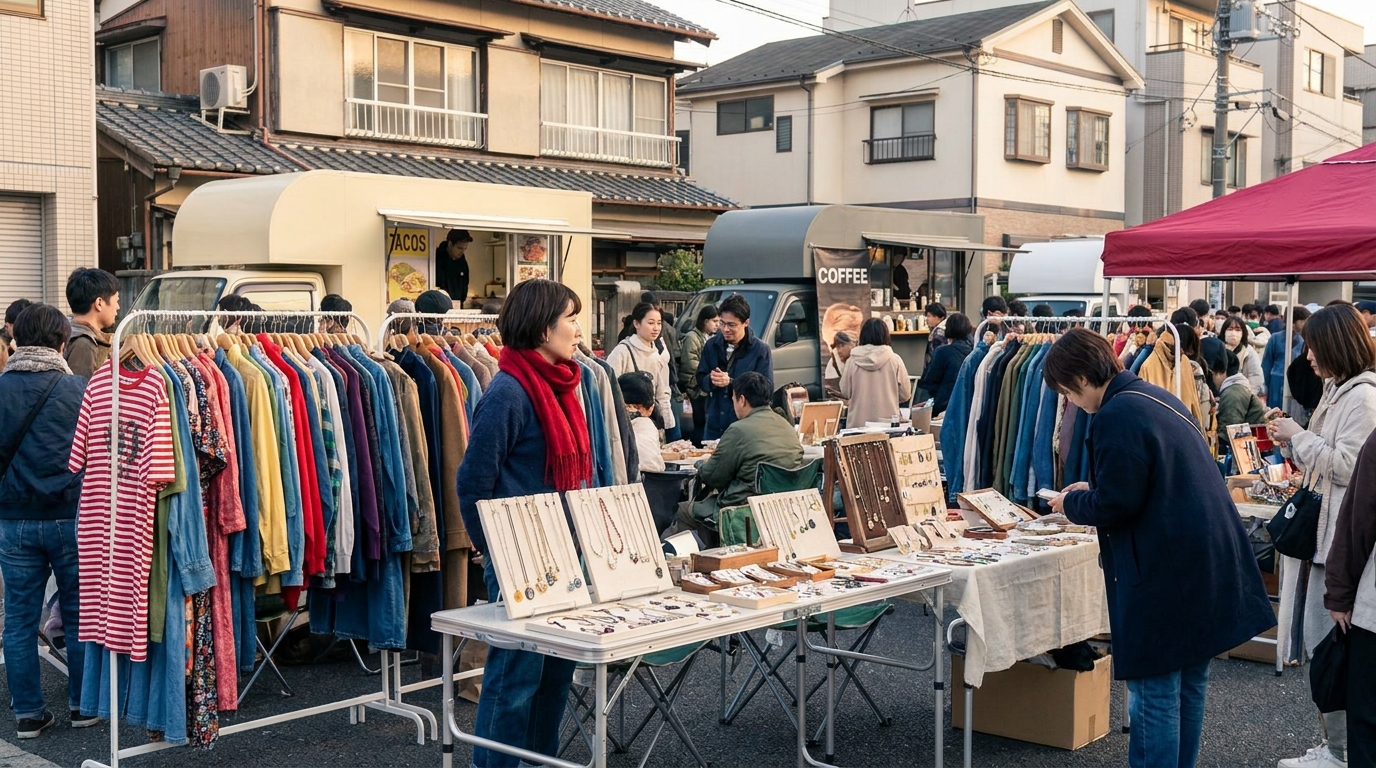
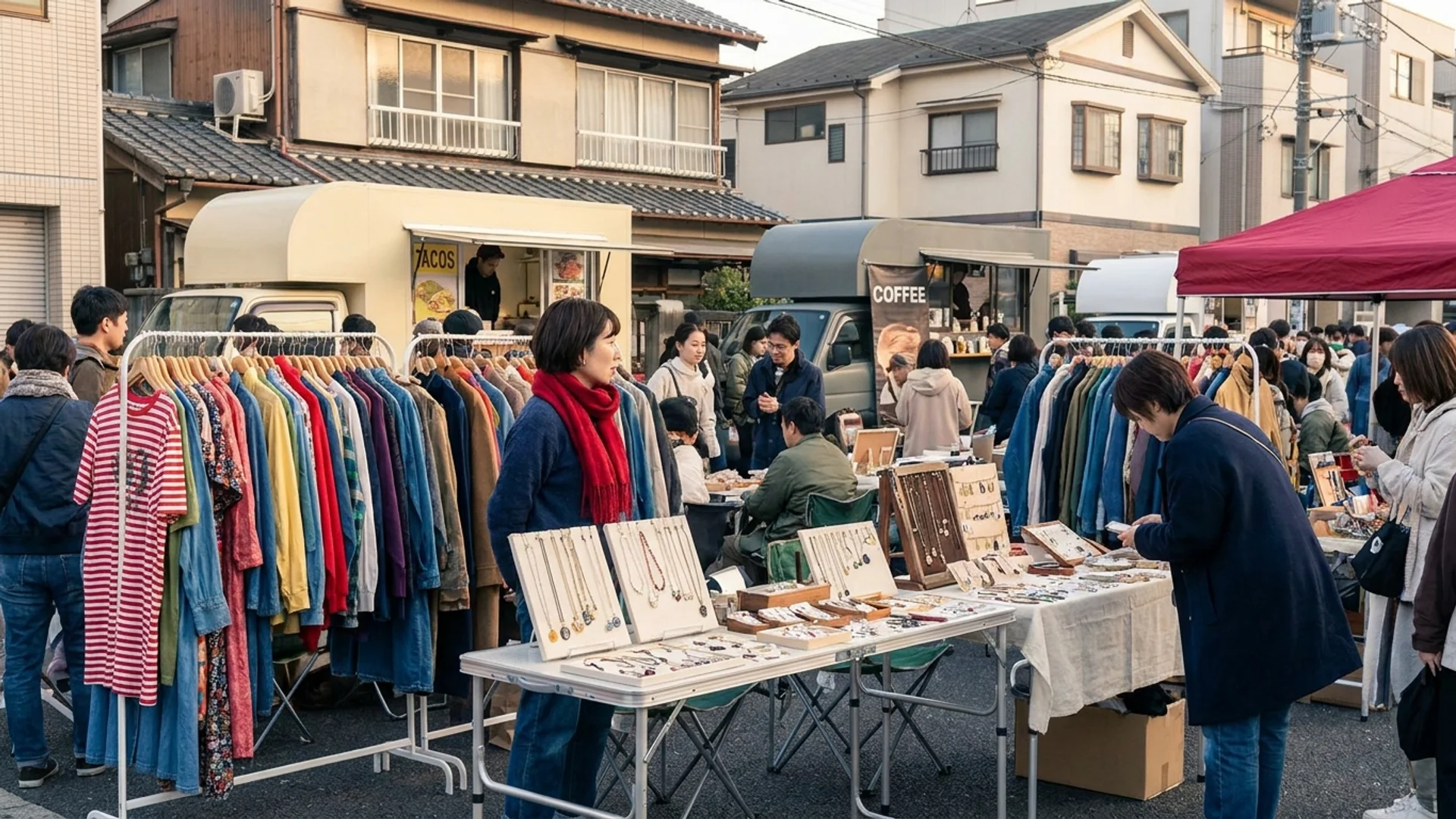
Shimokitazawa is Tokyo’s indie-music, second-hand-everything neighborhood, and it earns that reputation. The area around the station is dense with thrift shops, live music venues, and small curry restaurants. But the weekly flea market at the Shimokita Senrogai open space, just a few minutes’ walk from the station beside the Shimokitazawa Police Box, is the part most visitors miss.
According to Time Out Tokyo’s market guide, you’ll find crafts, handmade goods, jewelry, and secondhand clothing alongside a café and rotating food trucks. It’s not a curated boutique. It’s a real flea market, which means you have to dig. Some days the finds are spectacular. Some days they’re not. That’s the deal.
Getting here is easy. The Keio Inokashira Line runs direct from Shibuya in about 5 minutes (around ¥150, roughly $1). Budget ¥0 to browse and whatever you feel like spending on clothes or food. The market runs on weekends, so check the Shimokita Senrogai schedule before you go.
The honest caveat: Shimokitazawa has gotten more popular in the last few years, so the “secret” is relative. Arrive early if you want the best picks before the weekend crowds arrive.
Tokyo has parks. Todoroki Valley is something different. It’s a narrow, forested gorge cutting through the middle of Setagaya ward, and the moment you descend the staircase from street level, the city disappears. No car noise. Noticeably cooler air. Just the Yazawa River, oak trees, and a walking trail about one kilometer long.
Japan Guide’s coverage of Todoroki notes the trail takes 20 to 30 minutes to walk through, passing a couple of bridges, remains of ancient tombs, and the atmospheric Todoroki Fudo temple at the far end. There’s also a small Japanese garden with free admission on the opposite side of the river. The whole thing costs nothing to enter.
Getting there from Shibuya takes about 20 minutes on the Tokyu Oimachi Line to Todoroki Station, and the fare is around ¥230 (about $1.60). That’s it. Round trip under $4, and you’ve got one of the most genuinely calm hours Tokyo offers.
One usable note: if you visit in summer, bring mosquito repellent. The valley is humid and the Japanese tiger mosquitoes are real. In autumn, the maple trees turn red and the gorge looks completely different. Either season works well.
This is the spot we recommend most often to travelers who tell us Tokyo feels overwhelming. An hour here resets the whole day.
Kagurazaka sits between Shinjuku and Iidabashi, and it has a split personality that makes it worth a half-day. The main street is French-influenced, full of bistros and patisseries. But turn into the side alleys, particularly Kakurenbo Yokocho (literally “hide-and-seek alley”), and you’re in a different century. Narrow stone paths, old wooden buildings, traditional restaurants tucked behind sliding doors.
The soba situation here is serious. Kagurazaka has several small, traditional soba shops that have been operating for decades. Expect to pay ¥800 to ¥1,200 ($5 to $8) for a bowl of cold zaru soba or hot kake soba. We won’t name a specific shop because availability changes, but any place with a hand-written menu board and no English signage is usually the right call. If it has a queue at lunch, join it.
For a night of drinks, check out the top izakaya spots in Tokyo for a relaxed end to your day.
The neighborhood also has a strong connection to Tokyo’s geisha culture. Kagurazaka was once a prominent geisha district, and a few traditional ochaya (teahouses) still operate in the alleys, though they’re not open to walk-ins. The architecture alone is worth seeing.
From Iidabashi Station on the Tozai, Namboku, or Yurakucho lines, Kagurazaka’s main street is a five-minute walk. No admission, no tickets. Just walk and eat.
Pro Tip: Visit Kagurazaka on a weekday afternoon. Weekend evenings fill up fast, especially the soba shops, and the alleys lose some of their quiet charm when they’re packed. A Tuesday or Wednesday lunch visit is a different experience entirely.
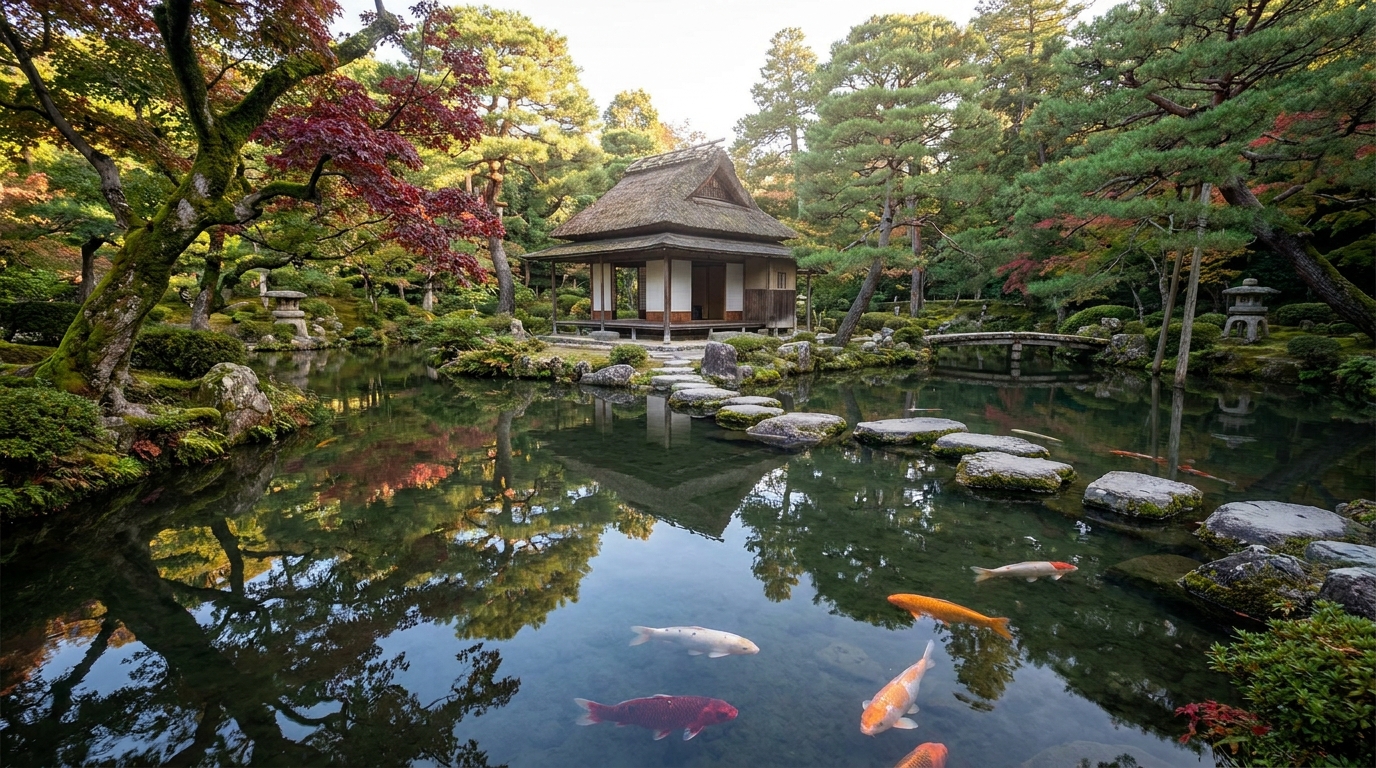
Kiyosumi Garden (清澄庭園) is one of those places that rewards people who do a little research. Most visitors to the Kiyosumi-Shirakawa area go for the third-wave coffee scene, which is genuinely good. But the garden a short walk from the station is the reason the neighborhood deserves a full morning.
The grounds date to the Edo period, when the land was a merchant’s estate. It later became a feudal lord’s garden, and during the Meiji period the founder of Mitsubishi used it to entertain guests before donating it to the city. It opened to the public in 1932. The garden is a landscape garden built around a central pond, and its most distinctive feature is the collection of famous stones brought from across Japan, which are set throughout the grounds. Japan Guide describes the isowatari stepping stone paths that cross the water, where you can see fish and turtles below the surface and the garden reflected above.
Halfway around the pond stands a teahouse-style building that appears to float over the water. You can’t enter it, but it photographs beautifully and the view from the stepping stones across the pond is one of the better quiet moments Tokyo offers.
Getting here: from Tokyo Station, take the Marunouchi Line one stop to Otemachi and transfer to the Hanzomon Line for Kiyosumi-Shirakawa. The trip takes about 10 minutes and costs ¥180 (around $1.25). Admission to the garden is ¥150 ($1) for adults. That’s the full price. It’s not a typo.
Key Takeaway: Kiyosumi Garden costs ¥150 to enter and takes about an hour to walk properly. Combine it with coffee in the surrounding neighborhood for a genuinely good half-morning that costs under ¥2,000 total.
Yanaka is where Tokyo’s shitamachi atmosphere, the old working-class neighborhood feel, still exists in a form that hasn’t been fully polished for tourism. The main draw is Yanaka Ginza, a short shopping street that looks and functions like a local market from several decades ago.
The street has butchers beside barbers, confectioneries beside watch dealers, and small stalls selling snacks from under ¥50. Japan Guide’s Yanaka overview points out that the area attracts plenty of domestic tourists too, which tells you something. When Japanese people from other cities come to Tokyo specifically to see this neighborhood, it’s worth your time.
Yanaka Cemetery, a few minutes’ walk away, sounds like an odd recommendation but isn’t. The paths are wide and well-kept, the tombs are elaborately landscaped, and the Sakura-dori Street running through the center is lined with cherry trees. The grave of Tokugawa Yoshinobu, the last shogun of the Edo period, is here. In spring, it’s one of the better cherry blossom spots in the city and far less crowded than Ueno Park.
Reach Yanaka from Nippori Station on the JR Yamanote Line. Yanaka Ginza is about a 5 to 10 minute walk west. The cemetery is about 3 minutes from the station. Most of Yanaka costs nothing to visit. Budget ¥500 to ¥1,000 for snacks and you’ve had a full morning.
If you’re building a Tokyo itinerary that goes beyond the standard circuit, our guide to the best izakaya in Tokyo pairs well with a Yanaka afternoon. The neighborhood has several good standing bars and small izakaya that fill up early in the evening.
The five spots above serve different moods and different types of days. Here’s how we think about matching them to your situation.
If you need a break from the city: Todoroki Valley is the answer. It’s the only option on this list that genuinely removes you from urban Tokyo. Go when you’re overstimulated and need an hour of quiet. It works on any budget and any fitness level.
If you want to spend money on something interesting: Kagurazaka is the pick. The soba is cheap, but the neighborhood rewards lingering. You can eat well, walk slowly, and spend an afternoon without feeling like you’re on a tourist track.
If you have a half-day and want to combine a garden with good coffee: Kiyosumi Garden plus the surrounding Kiyosumi-Shirakawa neighborhood is the obvious pairing. The area has become Tokyo’s third-wave coffee hub, so the garden visit and a café stop fit naturally together.
If you’re traveling with someone who wants to shop: Shimokitazawa on a weekend morning covers both of you. One person digs through vintage clothing while the other eats at a food truck. It’s low-pressure and genuinely fun.
If you want to understand what Tokyo looked like before it modernized: Yanaka is the only neighborhood on this list that gives you that. Pair it with Ueno if you want to add a museum, or keep it simple and just walk.
One thing worth saying plainly: Tokyo’s most underrated spots are almost all cheap. Our research across 62 overlooked attractions found a median price of just ¥800 ($5), with most cultural and neighborhood spots costing nothing at all. The cost barrier to getting off the standard tourist track here is basically zero. The barrier is just knowing where to look, which is the whole point of what we do at Dream Book Travel.
If you’re still building the broader Japan picture, our guide to the best places to visit in Japan covers how Tokyo fits into a longer trip alongside Kyoto, Hokkaido, and Okinawa.
| Spot | Neighborhood | Cost | Time Needed | Best For | Skip If |
|---|---|---|---|---|---|
| Shimokitazawa Vintage Market | Shimokitazawa | ¥0 entry + spending | 2–3 hours | Fashion, browsing, food trucks | You hate crowds on weekends |
| Todoroki Valley | Setagaya | ¥0 (+ ¥230 train) | 1–1.5 hours | Nature reset, quiet walks | You visit in summer without mosquito repellent |
| Kagurazaka Soba Alleys | Kagurazaka | ¥800–¥1,200 for lunch | 2–4 hours | Food, architecture, slow afternoons | You want fast, high-energy sightseeing |
| Kiyosumi Garden | Kiyosumi-Shirakawa | ¥150 ($1.25) entry | 1–2 hours | Garden walks, coffee neighborhood combo | You’ve already done several Tokyo gardens |
| Yanaka Ginza | Yanaka | ¥0–¥500 for snacks | 2–3 hours | Old Tokyo atmosphere, local markets | You want modern Tokyo energy |
All five spots are reachable by public transit. None require a taxi or a tour group. The Yamanote Line and Tokyu lines cover most of them, and the Tokyo Metro fills in the gaps. If you’re handling the train system for the first time, the Dream Book Travel destination hub has transit breakdowns for each major Tokyo area.
Todoroki Valley and Yanaka Ginza are the two we’d send a first‑timer to. Todoroki is free, easy to reach from Shibuya, and genuinely unlike anything else in the city. Yanaka gives you a feel for old Tokyo without a ticket or a tour. Both take under two hours and cost almost nothing. Save Kagurazaka and Kiyosumi Garden for a second or third day when you’ve got your bearings.
Most cost between ¥0 and ¥300 ($0, $2) to enter. Kiyosumi Garden charges ¥150. Todoroki Valley and Yanaka are free. Your main expense is transit, typically ¥150, ¥280 per trip on the Tokyu or Tokyo Metro lines. Budget ¥500, ¥1,500 for food at Shimokitazawa or Kagurazaka. A full day across two or three of these spots rarely costs more than ¥3,000 ($20) total.
Shimokitazawa has gotten more international attention recently, so “underrated” is relative. Todoroki Valley and Kiyosumi Garden still see very few foreign visitors compared to their quality. Yanaka draws domestic Japanese tourists but remains off most international itineraries. None of these spots will feel like Senso‑ji or Shibuya Crossing. You’ll share them with locals, not tour groups.
Spring (late March to early April) and autumn (November) are the most visually rewarding. Yanaka Cemetery’s cherry blossoms in spring are a real highlight. Todoroki Valley’s maples in autumn are worth the trip on their own. Avoid mid‑summer for outdoor spots like Todoroki unless you’re comfortable with heat and humidity. Winter (January to February) is underrated: clear skies, fewer crowds, and mild enough for walking.
Yes. Tokyo’s transit system has English signage throughout, and Google Maps works reliably for every spot on this list. None of these neighborhoods require advance booking or Japanese‑language skills. The Tokyo Metro app has an English version for international visitors. The one usable tip: download offline maps before you go, because station wifi isn’t always fast enough for real‑time navigation.
Two spots in one day is realistic. Three is possible but tiring. Yanaka and Kagurazaka work well together since they’re both on the northeast‑to‑central axis. Kiyosumi Garden and Shimokitazawa are in opposite directions from central Tokyo, so pairing them means a lot of transit time. Todoroki Valley is best as a standalone morning before heading somewhere closer to central Tokyo for the afternoon.
The five spots above won’t all be right for the same trip or the same traveler. Pick one or two that match your pace, check the transit connections, and go. If you want a fuller picture of what’s worth your time in Japan beyond Tokyo, the Dream Book Travel guides on Japan’s best destinations are a good next step before you finalize your itinerary.
Discover five off‑beat activities in Vienna—from secret museums to hidden nature spots—that give you a fresh, honest travel experience.
From St. Mark's Basilica to cicchetti bars and island day trips, here are the best things to do in Venice — with real prices and honest verdicts.
The best gelato in Florence, ranked honestly. Real prices, flavor notes, and which tourist traps to skip — curated by Dream Book Travel.