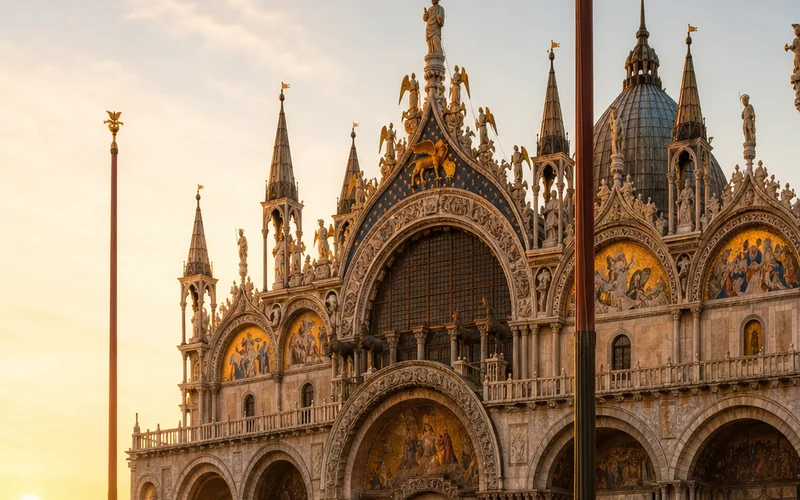
15 Best Things to Do in Venice, Italy
From St. Mark's Basilica to cicchetti bars and island day trips, here are the best things to do in Venice — with real prices and honest verdicts.
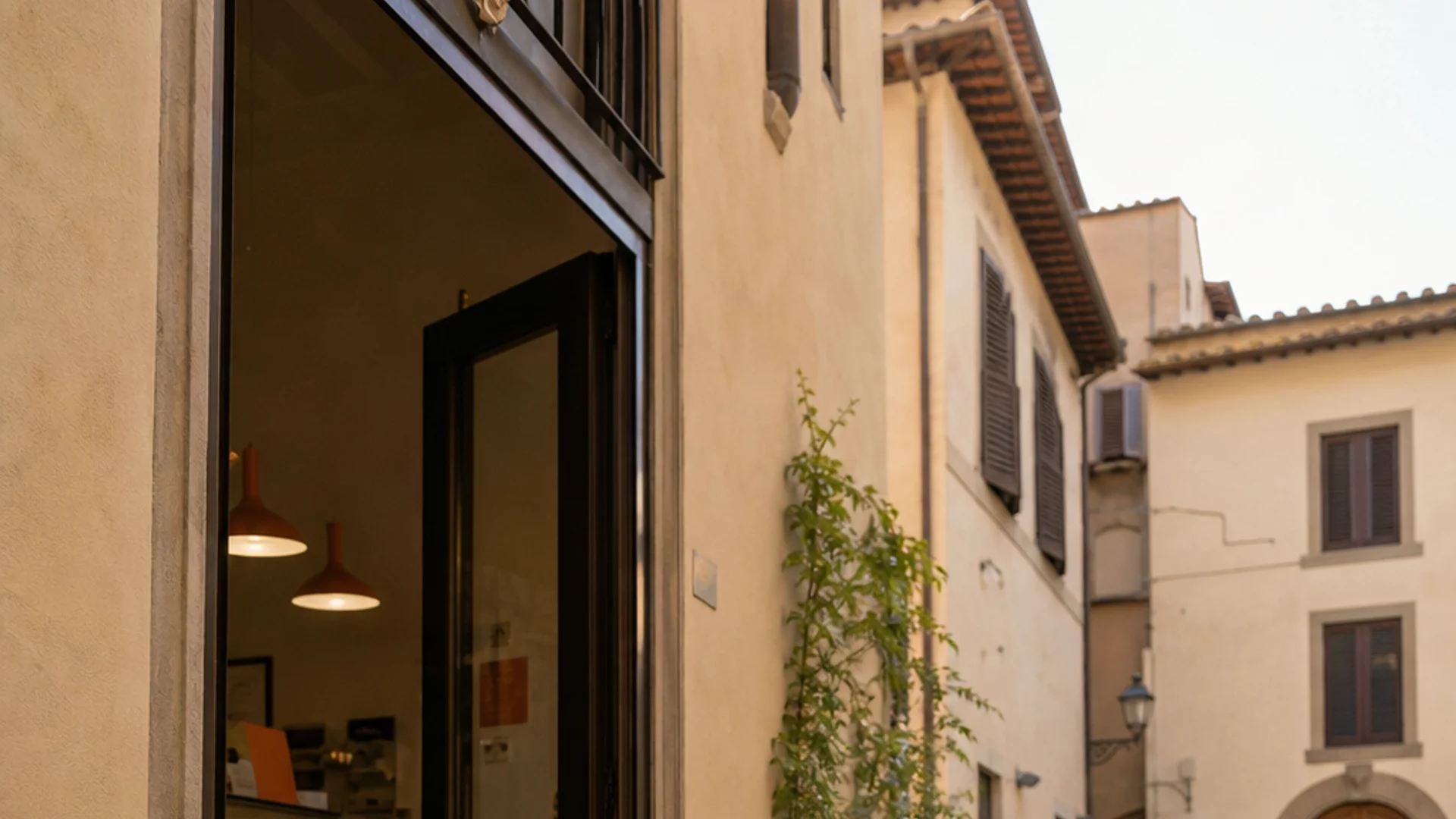
Florence has more gelato shops per block than most cities have coffee carts. Some are genuinely excellent. Many are not. We at Dream Book Travel spent time walking the city specifically to separate the real thing from the tourist-trap displays of neon-colored mounds piled high in the case. These eight spots earned their place.
Vivoli opened in 1929 when Serafino Vivoli moved from the Florentine countryside and set up a dairy in the Santa Croce neighborhood. Four generations later, his family still runs it. That’s not a marketing story , it’s a fact that shapes how they make gelato: fresh, high-quality local ingredients, no shortcuts.
The flavor to order here is the affogato, which Vivoli calls Gran Crema al Caffè. It’s a scoop of pure crema , eggs, milk, sugar, nothing else , drowned in a shot of espresso. Vivoli reportedly serves over 1,000 of these per day, and demand got so intense they opened a dedicated Affogato Bar in the space next door. The fourth-generation maker, Giulia Vivoli, is especially proud of her crema: no vanilla, no lemon, just the richest possible base for that bitter coffee hit. Stir it slightly before you eat so the gelato melts a little into the espresso. It’s worth doing.
Other flavors worth trying: zabaione (egg yolk, sugar, Marsala), Marengo (whipped cream, meringue, chocolate chips), and a straight pistachio that doesn’t disappoint. The shop is at via Isola delle Stinche 7/R, a short walk from Santa Croce. Closed Mondays, open 8am to 9pm otherwise.
The one honest caveat: Vivoli’s fame means lines, especially in summer. Go early, or go on a weekday morning when the rush hasn’t started.
Most Florence gelaterias rotate seasonal fruit flavors, but Carabé does something different: it’s a traditional Sicilian gelato parlor that keeps a tight menu of flavors made with ingredients at their absolute peak. The philosophy is fewer options, higher quality.
The almond flavor here is the one to try. Carabé uses Sicilian almonds, and the difference is immediate , it’s less sweet than most shops, with a real nutty depth that lingers. The Sicilian pistachio is equally good. Both of these flavors demonstrate why Carabé is consistently singled out for fruit-flavor lovers: the sourcing is the whole point.
They also make granita, the Sicilian crushed-ice slush that’s completely different from sorbet in texture. In summer, granita di caffè with a brioche is actually the local Sicilian breakfast. At Carabé it’s a proper version, not a tourist approximation.
Fruit flavors here are strictly seasonal. Come in June and you’ll find strawberry and lemon at their best. Come in October and the menu shifts to fig and pomegranate. That’s the point. If you want something available year-round, this might frustrate you , but if you want to eat what’s actually good right now, Carabé rewards that approach.
Some of Florence’s most respected gelaterias built their reputations on doing classic flavors with real precision rather than chasing novelty. Forty flavors on any given day, all made in-house, is a hallmark of the best among them.
The finest pistachio gelato uses nuts from Bronte, a town on the slopes of Mount Etna in Sicily that produces what many consider the world’s finest pistachios, intensely flavored, lower in oil than Iranian or Californian varieties. The gelato comes out a pale grayish-green. That color is the signal: bright green means artificial coloring. If you see vivid emerald pistachio, walk away. The best versions look almost muted, and that’s exactly right.
The Buontalenti al Mascarpone is also worth ordering , it’s a riff on the historic Florentine cream flavor (named after Bernardo Buontalenti, credited with inventing gelato here in the 16th century) but with mascarpone folded in, making it richer and slightly tangier. Black sesame is a sleeper hit: earthy, slightly bitter, and unlike anything at most other shops.
When you’re exploring the Oltrarno neighborhood, look for a gelateria close to the river. You can walk out with your cone and be standing at the water in thirty seconds. That kind of location, combined with quality, is hard to beat.
Pro Tip: At any Florentine gelateria, the pistachio color test works from ten feet away. Pale gray-green means real nuts. Bright green means food coloring. Order accordingly.
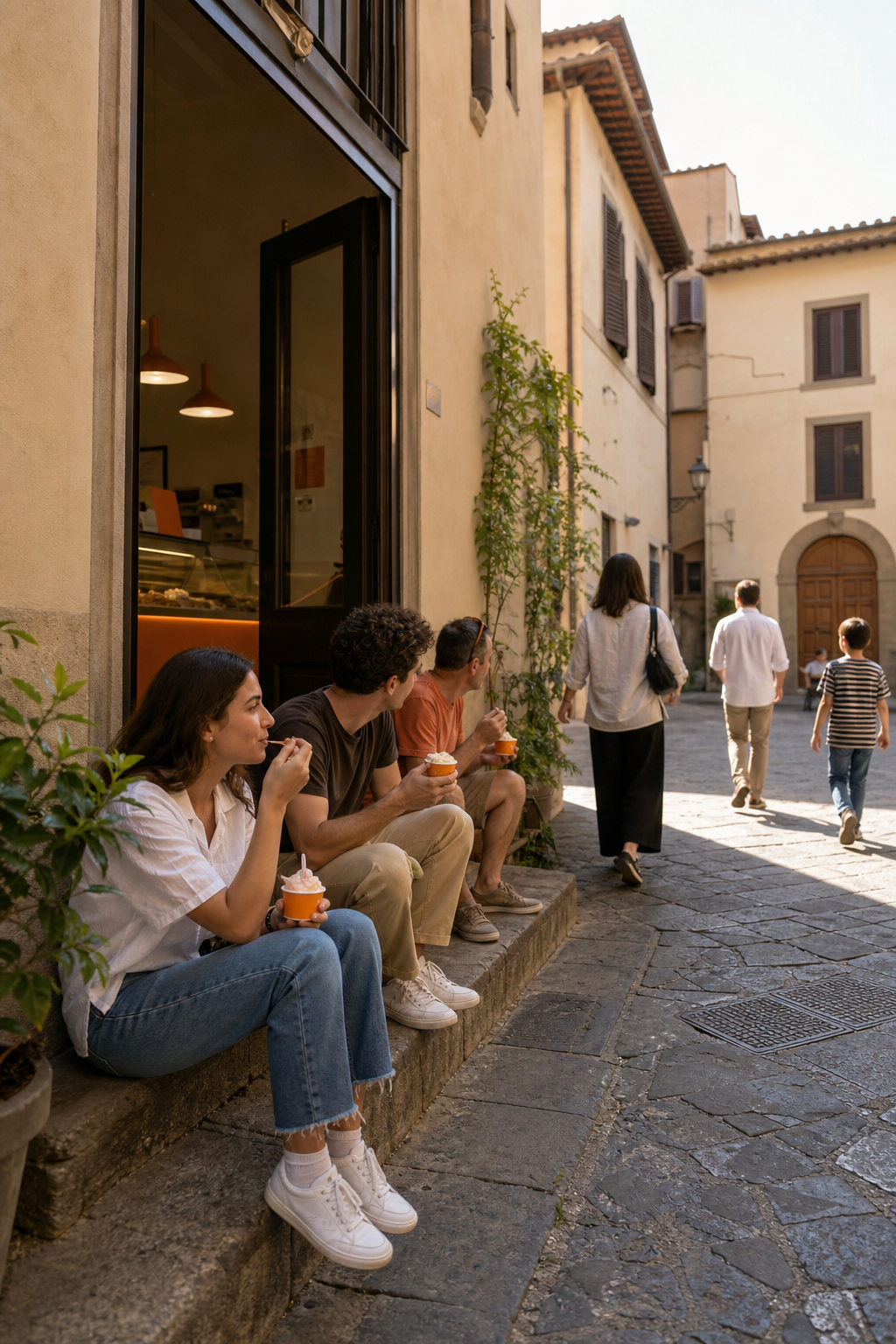
Piazza della Passera is easy to miss. It’s a quiet square in the Oltrarno, the neighborhood south of the Arno that most day-trippers never reach. The gelateria here has no signage designed to pull you in. It doesn’t need any. The locals know where it is.
The flavors skew traditional but executed well: fior di latte with fresh mint is one combination worth seeking out , the mint is fresh, not extract, so it lifts the milky base rather than overwhelming it. Zabaione here is also notable: the sweet wine and egg cream combination is rich without being cloying, and you can genuinely taste the alcohol. That zabaione is one of those flavors that travelers who’ve eaten their way across Italy remember specifically.
The lemon flavor is exceptional in warmer months. The sourcing of the citrus makes it one of the more credible lemon gelatos in the city.
Come here instead of, or after, the tourist-facing spots near the Uffizi. The queue moves fast and the square itself gives you a place to sit and eat without a crowd pressing around you. That combination , good gelato, low noise, a proper piazza , is increasingly rare in central Florence.
De’ Medici started in the Statuto neighborhood, outside the tourist center, before opening a second location in Piazza Beccaria , close enough to the historic core to be worth the short walk. The original was an insider find for years. The second location made it accessible without diluting the product.
This is where to go if you want to try something genuinely unusual. The shop rotates flavors based on what’s in season and what the makers want to explore, so the menu on any given visit might include bergamot (a bitter citrus native to Calabria, the same fruit that flavors Earl Grey tea), panna cotta, or lavender. The lavender here is subtle rather than overpowering , you actually taste lavender rather than a generic floral note. The Buontalenti cream is a recurring fixture, and De’ Medici’s version is one of the better interpretations in the city: rich, eggy, with that faint sweetness from the wine that the original 16th-century recipe called for.
The bergamot sorbet is worth seeking out specifically. It’s not bitter in the way you might expect , it’s more like a complex citrus that sits between grapefruit and orange, without the harshness. It’s the kind of flavor that makes you rethink what a sorbet can do.
Skip this one if you want the safest, most classic experience. Come here if you want to eat something you can’t get anywhere else in the city that day.
Vivoli gets more attention for affogato, but the city’s more serious coffee-focused gelato bars are where dedicated coffee people tend to end up. These shops treat the affogato as a precision preparation rather than a casual dessert: the espresso is pulled correctly, the gelato is cold enough to hold its shape for a few seconds before the heat hits it, and the ratio of coffee to cream is calibrated.
The standard preparation at the best spots involves the crema gelato packed to four sides of the cup before the espresso goes in, so you get an even distribution of cold and hot in every spoonful. You’re not meant to stir it immediately — let the heat work into the edges first, then take a spoonful that catches both the firm gelato and the hot espresso. The contrast of temperatures and the interplay of bitter and sweet is what the dish is about.
A well-made affogato is priced for what it is: a dessert and an espresso in one preparation, made well. Budget gelato in Florence runs closer to €2 for two scoops in a cone, so calibrate your expectations accordingly.
An affogato is a good choice for the late afternoon or after dinner. Italians typically eat gelato as the final act of the evening — after the passeggiata, not before dinner. Ordering an affogato around 9pm, when the city is still warm and the streets are full, is about as close to living like a Florentine as a visitor can get in a single decision.
Edoardo is at Piazza del Duomo 45/r, directly in front of the cathedral. The location should make it a tourist trap. It isn’t. The quality is there because Edoardo uses only organic, fresh ingredients , and the dairy-free options aren’t compromises made for people with restrictions. They’re genuinely good gelato made without milk.
The fruit flavors here are the strength of the menu. Because the base for many of them is already dairy-free, vegans and lactose-intolerant visitors get the full menu rather than a reduced selection. The dark chocolate, coconut, and raspberry combination is one of the more original flavor builds available in the city: bitter, creamy from the coconut, and tart from the berry. It reads like a dessert that someone thought about rather than assembled.
For travelers with multiple dietary restrictions, Edoardo is the most reliably safe stop on this list. But the organic sourcing and the location in front of the Duomo make it a reasonable first stop regardless of diet , you’ll be there anyway, and the quality justifies stopping rather than walking past. If you’re planning a broader European trip that includes Florence, our picks for must-visit destinations in Japan follow the same editorial logic: named specifics, real trade-offs, no filler recommendations.
Florence has a lot of gelato shops. Not all of them make their own. Some buy industrial gelato, load it into display cases in enormous colorful mounds, and rely on foot traffic from people who don’t know better. Here’s how to tell the difference before you commit.
| Signal | Good Sign | Red Flag |
|---|---|---|
| Storage | Gelato stored in covered metal canisters with lids | Gelato piled high above the rim of the display case |
| Pistachio color | Pale gray-green, almost muted | Bright, vivid green — that’s food coloring |
| Texture | Dense and creamy, slightly soft | Airy, fluffy, or icy — signs of overchurning or freezing |
| Banana color | Off-white to pale yellow | Bright yellow banana flavor means artificial flavoring |
| Label | ”Artigianale” or “produzione propria” on the sign | No mention of house-made — likely industrial |
| Mint flavor | Pale green or white | Toothpaste-bright green means extract, not fresh mint |
The covered metal canister rule is the most reliable signal. Authentic gelato made with natural ingredients, no preservatives, needs to be kept at a precise cold temperature and protected from air exposure. Gelato differs from ice cream in that it contains more milk and less cream, and is churned at a slower speed, meaning less air is incorporated and the texture is denser. A shop that stores its product this way is signaling that freshness matters to them. A shop that piles gelato into sky-high pyramids is doing it for the Instagram shot, not for the quality of what you eat.
The “artigianale” label (artisanal, meaning hand-made on-site) is regulated in Italy but not perfectly enforced. Use it as a starting point, not a guarantee. Then apply the color and storage tests above. Between those signals, you’ll catch most of the poor-quality shops before you spend money at them.
One more usable note: two scoops in a cone typically runs around €2 to €3 at most quality shops in Florence. If a place is charging significantly more without an obvious reason (an affogato preparation, a premium add-on), that’s worth questioning. If it’s charging less, ask why.
Travelers who find Florence’s food scene genuinely interesting often benefit from having one shareable resource for all their Florence recommendations alongside flights, hotels, and logistics. A notes app or shared document works well for aggregating saved spots — including gelaterias, restaurants, and walking routes — into a single reference you can send to travel companions or save for yourself.
Gelato has more milk and less cream than ice cream, and it’s churned more slowly, which means less air gets incorporated. The result is a denser, more intensely flavored product. It’s also served at a slightly warmer temperature than ice cream, which is why it has that soft, almost spreadable texture. Sorbetto (sorbet) skips the dairy entirely and is made with fruit, sugar, and water.
At most quality shops in Florence, two scoops in a cone or cup costs around €2 to €3. An affogato (gelato with espresso) typically runs €5 to €6. Some shops near major tourist sites charge more , that price bump rarely reflects better quality. If you’re buying a takeaway container rather than a cone, the price is usually the same or slightly less per serving.
Yes. Edoardo at Piazza del Duomo uses organic ingredients and offers a wide range of dairy-free flavors, not just token options. Many of the fruit sorbets across Florence are naturally dairy-free, including at Carabé and Gelateria della Passera. Always ask whether a specific flavor is made with milk if dairy is a concern , most shops are straightforward about it.
Weekday mornings before 11am and late evenings after 9pm are quietest. Vivoli and Santa Trinita get busy from mid-morning through early evening, especially in summer. Gelateria della Passera in Piazza della Passera tends to have shorter queues because it’s off the main tourist circuit. Midweek is consistently better than weekends at all the popular spots.
Buontalenti is a Florentine cream flavor named after Bernardo Buontalenti, the Renaissance artist and architect credited with creating gelato in Florence in the 16th century. The traditional recipe uses eggs, sugar, cream, and sweet wine. It tastes like rich custard with a faint winey sweetness. Florence claims it as a local specialty, which is why virtually every quality shop in the city has a version of it.
Florence has a specific local claim on gelato’s origins, which creates a culture of genuine quality competition among the city’s shops. The presence of historic shops like Vivoli alongside newer experimental spots creates a real split: some gelaterias focus on perfecting traditional flavors, others push toward seasonal and unusual combinations. That range, plus the density of quality options within a walkable historic center, makes Florence a stronger gelato destination than most Italian cities.
If we had to pick one stop for a first visit, it’s Vivoli , the affogato alone justifies the walk to Santa Croce. If you want to go deeper on Florence or build it into a longer Italy trip, the Dream Book Travel Europe guide maps out how Florence fits alongside Rome, the Amalfi Coast, and the north. Start with the gelato. Plan the rest from there.
From St. Mark's Basilica to cicchetti bars and island day trips, here are the best things to do in Venice — with real prices and honest verdicts.
From castle towers to riverside rafting, here are the best things to do in Cesky Krumlov — with real prices, honest takes, and what to skip.
The best izakaya in Tokyo, ranked honestly — real prices, neighborhoods, what to order, and one place worth skipping. Updated 2026.