Lisbon itinerary 3 days: A practical step‑by‑step guide
Plan a perfect 3‑day Lisbon trip with detailed daily steps, budget tips, and insider advice from Dream Book Travel.
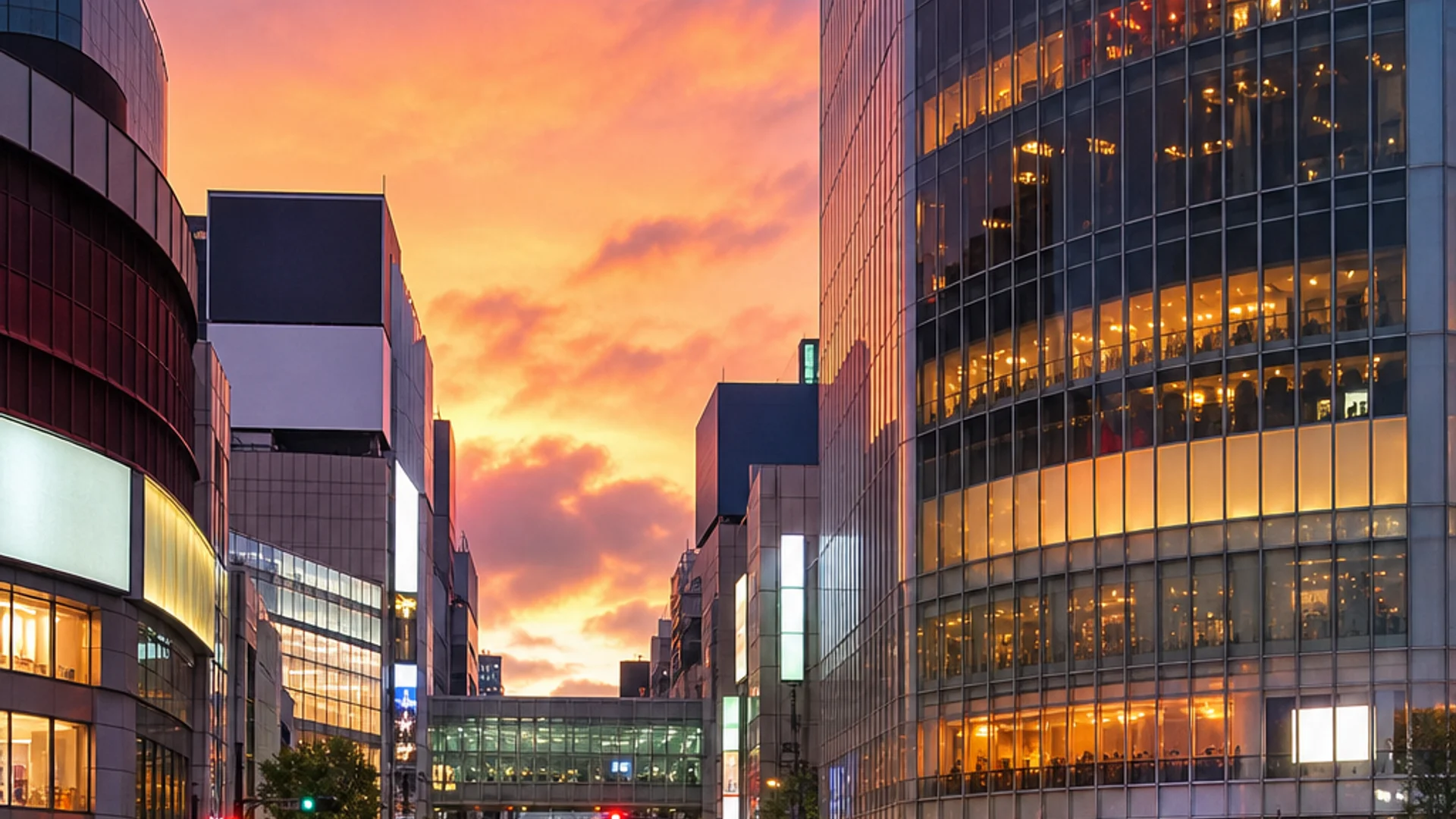
Tokyo is enormous, and picking the wrong neighborhood can cost you an hour of commuting every day. We’ve broken the city down to five areas that actually make sense for a first visit, with honest trade‑offs and real price ranges for each.
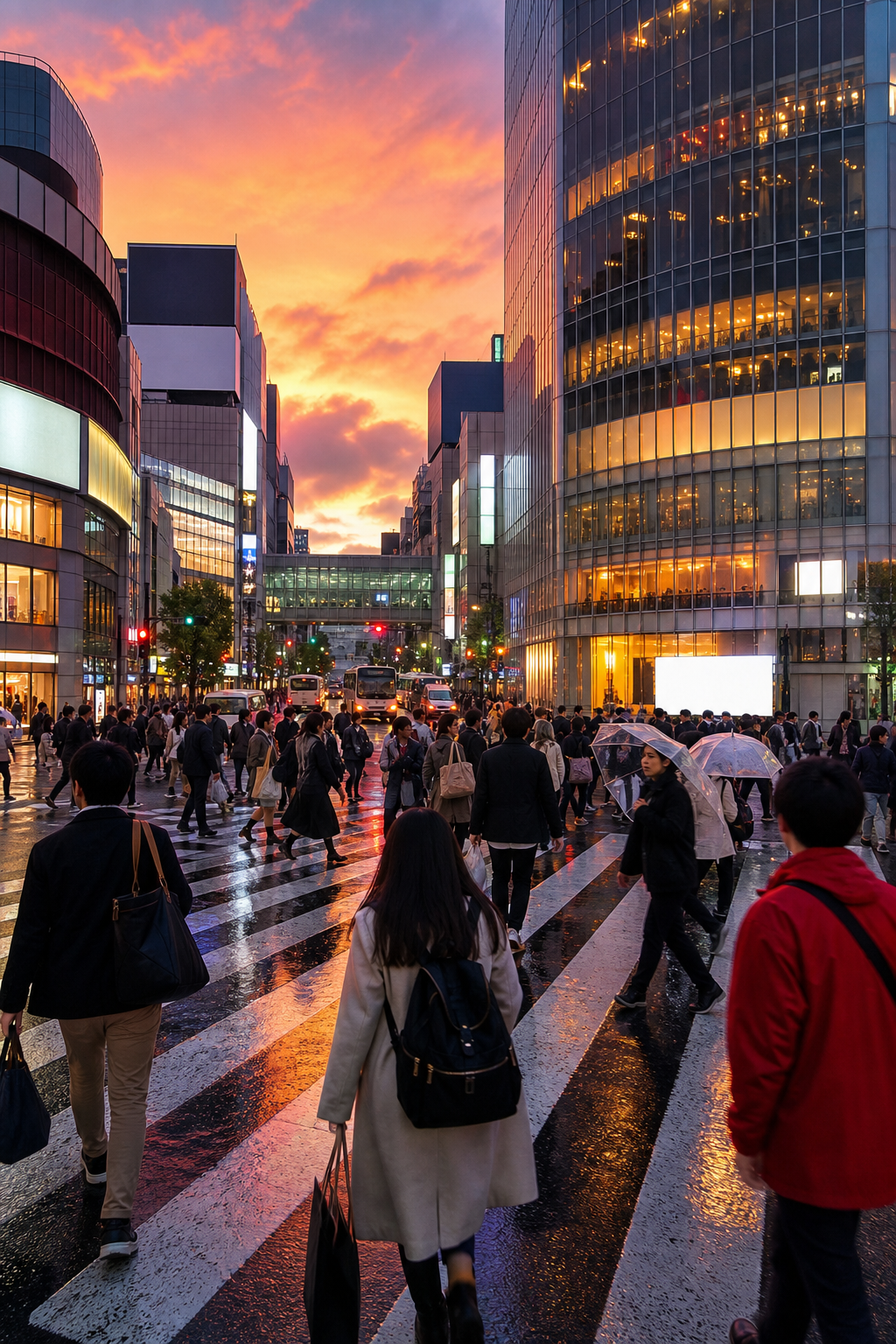
Shibuya is the neighborhood most experienced Tokyo travelers recommend for a first visit, and the logic holds. Average nightly rates sit around $175, which puts it squarely in mid‑range territory. You can find budget options and a handful of luxury hotels, so it works across a spread of budgets.
The big draw is proximity. From Shibuya Station, you can walk to Yoyogi Park and Meiji Shrine in under 20 minutes. Harajuku is a 15‑minute walk. Trendy Daikanyama and Nakameguro are a short subway ride or a pleasant 25‑minute walk south. The station itself connects you to Ginza, Roppongi, and Shinjuku without changing lines more than once.
Hotels here are used to foreign guests. English‑speaking staff is genuinely more common in Shibuya than in most other Tokyo neighborhoods, which matters on day one when you’re jet‑lagged and trying to figure out your IC card. The Shibuya Crossing is right there, and yes, it’s worth seeing in person. It’s not overrated. It’s just also genuinely crowded.
The honest caveat: Shibuya is optimized for passing through, not for quiet evenings. The area around the station is loud and chaotic at peak times, and ongoing construction near the west exit has made parts of it messier than they used to be. If you’re a light sleeper, look for hotels on a side street rather than directly facing the main roads. s filtered by “noise” before you book.
For a broader view of must‑see sites across the country, see our list of the best places to visit in Japan while you decide which day trips fit your schedule.
Asakusa is the most affordable neighborhood on this list at around $118 per night, and it’s also the most atmospheric. That combination is rare. The area sits on the east side of Tokyo, built around Senso-ji Temple, the city’s oldest Buddhist temple. Walking Nakamise-dori toward the Kaminarimon Gate on an early morning, when the crowds are still thin and the lanterns are lit, is one of those small Tokyo experiences that sticks with you.
What makes Asakusa work for first‑timers beyond price is the concentration of ryokan‑style accommodations. These are traditional Japanese inns with shared mineral baths, tatami‑style rooms, and a pace that feels genuinely different from a standard hotel. If you want to understand why people fall in love with Japanese hospitality, a ryokan night in Asakusa will do it faster than any guidebook.
The trade‑off is transit time. Getting to Shinjuku or Shibuya from Asakusa takes around 30 minutes by subway. For a first‑timer trying to cover the whole city in five days, that friction adds up. It’s manageable, but you’ll feel it on days when you’re trying to hit both sides of the city.
Nearby, you can reach Ueno Park and its cluster of museums in about 10 minutes on foot. The up‑and‑coming Kuramae area for ceramics and coffee is a short walk south. Tokyo Skytree is visible from most of the neighborhood and a quick train ride away. Asakusa rewards slow mornings and early starts more than any other Tokyo base.
Pro Tip: Book a room with a view of Senso-ji’s pagoda if your budget allows. Many ryokan‑style inns in Asakusa offer shared baths and a lobby with complimentary Japanese snacks and tea. Pricing varies.
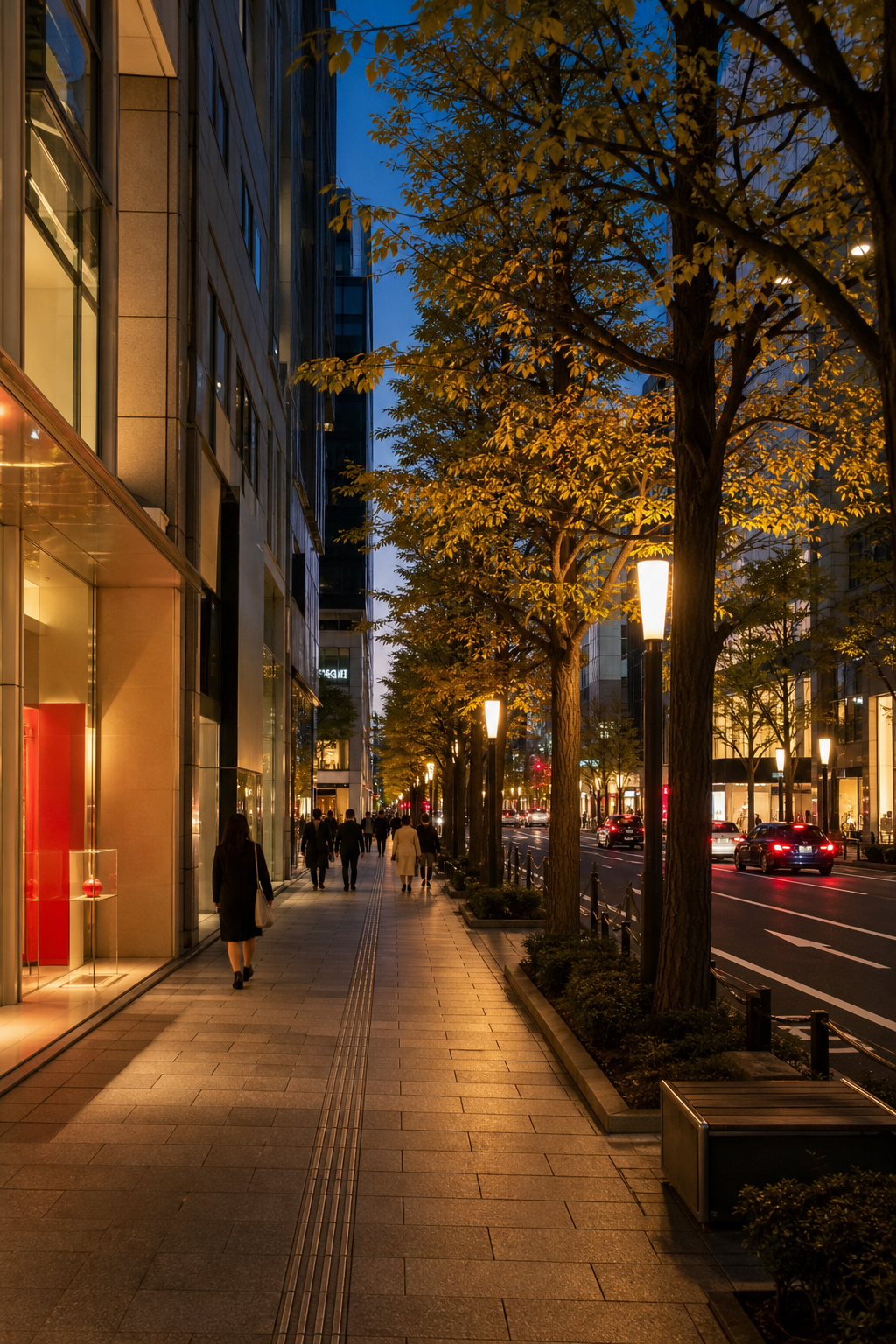
Ginza doesn’t always make first‑timer lists, and that’s a mistake. Yes, it’s known for high‑end shopping. But it also has a variety of affordable retail options and plenty of mid‑range restaurants. The real advantage is that Ginza is quieter at night than Shibuya or Shinjuku, and the hotels here cater to business travelers who need a good night’s sleep. That’s a genuine benefit if you’re trying to function on a packed sightseeing schedule.
The Tokyo EDITION Ginza is one of the direct‑crawl properties we looked at in our research. It’s a luxury option, so pricing varies and rates are best checked directly on their site. But Ginza has mid‑range options too, and its location between Tokyo Station and the waterfront puts you within easy reach of Tsukiji Outer Market, Hamarikyu Gardens, and the Imperial Palace.
Transit is solid. Ginza Station is served by three subway lines, so you can reach most of the city without transfers. Tokyo Station is a 10‑minute walk, which means you’re also well‑positioned if you’re doing a day trip to Kyoto or Nikko by bullet train.
The one honest downside: Ginza goes quiet after 9pm. The restaurants are excellent, but the neighborhood doesn’t have much of a nightlife scene. If you want to be close to bars and late‑night ramen spots, this isn’t your base. If you want to sleep well and wake up ready to cover ground, it might be the smartest pick on this list.
If you crave an authentic izakaya experience after hours, our best izakaya guide highlights spots you can reach via a short subway ride.
Key Takeaway: Ginza suits travelers who want quiet nights, easy transit, and proximity to the waterfront without paying Shinjuku prices for the chaos.
Staying near Tokyo Station has one specific use case: you’re doing serious rail travel. This is where high‑speed rail to Kyoto, Osaka, Hiroshima, and beyond departs. If your itinerary includes a day trip or an overnight to another city, basing yourself here for at least the first or last night saves you a stressful early‑morning cross‑city scramble.
The area around Marunouchi is clean, organized, and a little soulless. It’s a business district, and it feels like one. There are excellent hotels here, some of them genuinely luxurious, but the neighborhood itself doesn’t have much personality at street level. You’re not going to stumble into a great local izakaya by wandering around. You’ll need to plan your evenings more deliberately.
That said, the transit access is unmatched anywhere in Tokyo. Multiple subway lines, the airport express train, and high‑speed rail all converge here. Ginza is a 10‑minute walk. The Imperial Palace is right next door. For a traveler doing Tokyo as part of a broader Japan trip, one or two nights in Marunouchi at the start or end of the trip makes a lot of logistical sense.
Prices reflect the business‑hotel premium. Mid‑range options exist, but you’re generally paying for location and convenience rather than character. If you’re only in Tokyo for two or three nights and want to maximize time rather than atmosphere, this is a defensible choice. For a longer stay, we’d put you in Shibuya or Asakusa instead.
One more thing worth knowing: if you’re planning evenings out at Tokyo’s best izakayas, the Marunouchi area will require a short subway ride to get to the livelier neighborhoods. Factor that into your evening plans.
The single biggest mistake first‑timers make is choosing a neighborhood based on what sounds exciting rather than what matches how they actually travel. Here’s how to think through it quickly.
One rule that overrides everything else: make sure your hotel is within a short walk of a station on the Yamanote Line, Tokyo’s main loop connecting Shibuya, Shinjuku, Ueno, and Tokyo Station. If your hotel is close to any Yamanote stop, you can reach anywhere in central Tokyo efficiently. That one fact matters more than almost any other booking decision.
If you’re still mapping out the full trip, our guide to the cheapest times to fly to Japan is worth reading before you lock in dates. The neighborhood you choose matters, but so does when you go.
| Neighborhood | Avg. Nightly Rate | Best For | Transit Access | Honest Caveat |
|---|---|---|---|---|
| Shibuya | ~$175 | First‑timers, solo travelers | Excellent (multiple lines) | Noisy near station; construction ongoing |
| Asakusa | ~$118 | Budget travelers, culture seekers | Good (Ginza/Asakusa lines) | 30 min to west‑side neighborhoods |
| Ginza | Varies (mid–luxury) | Quiet sleepers, business trips | Excellent (3 subway lines) | Dead after 9pm; limited nightlife |
| Marunouchi | Mid–high | Rail travelers, short stays | Best in Tokyo (all lines) | Low neighborhood character; business‑focused |
| Roppongi/Minato | — | Families, museum‑goers | Good (Hibiya/Oedo lines) | Quieter at night; fewer food options |
Shibuya is the most usable base for a first visit. It’s central, well‑connected by subway, and walkable to Harajuku, Meiji Shrine, and Yoyogi Park. Hotels here average around $175 per night and range from budget to luxury. If you want a more traditional feel and lower prices, Asakusa is the better pick at roughly $118 per night, though it’s 30 minutes from the west side of the city.
Shinjuku works, but it’s the priciest area we tracked at around $230 per night, and the station’s 50‑plus exits genuinely disorient first‑timers. The nightlife is excellent and the transit connections are strong, but the noise and chaos can wear on you over a longer stay. We’d recommend Shibuya over Shinjuku for a first trip unless you specifically want to be in the thick of Tokyo’s entertainment district.
Across the main neighborhoods, the average nightly hotel price is moderate. Asakusa is the most affordable at roughly $118 per night, particularly for ryokan‑style accommodations. Shibuya runs about $175. Shinjuku is the highest in the sample at around $230. Budget options exist in every neighborhood, but Tokyo is not a cheap city.
A ryokan is a traditional Japanese inn, typically with tatami‑style rooms, shared mineral baths, and optional Japanese breakfast. They’re concentrated in Asakusa and offer a genuinely different experience from a standard hotel. If you want to understand Japanese hospitality beyond the lobby, yes, stay in one for at least one or two nights. Rates start around $118 and increase from there.
Tokyo is consistently rated among the safest major cities in the world. Walking around late at night is generally fine across all the neighborhoods on this list. Normal precautions apply: watch your belongings in crowded areas like Shibuya Crossing and Shinjuku Station. Safety data by neighborhood is available through Numbeo if you want to compare specific areas before booking.
For most first‑time visitors staying primarily in Tokyo, a rail pass is often not cost‑effective. Prices increased significantly in late 2023. The simpler option is a transit card, which works on virtually all subway and bus lines. You can load one directly onto an iPhone Wallet for tap‑and‑go access. For getting from Narita Airport into the city, the airport rail service is a reliable option and can be accessed with a transit card.
If you’re visiting Tokyo for the first time and want one clear answer: start in Shibuya or Asakusa. Shibuya gives you the most flexible base with the best transit access. Asakusa saves you money and gives you a more memorable experience. The other neighborhoods on this list serve specific needs well, but those two cover most first‑timers. For help planning the rest of the trip, Dream Book Travel has itineraries, budget breakdowns, and honest takes on what’s actually worth your time in Japan.
Plan a perfect 3‑day Lisbon trip with detailed daily steps, budget tips, and insider advice from Dream Book Travel.
From UNESCO-listed Town Hall to the Schnoor quarter, here are the best things to do in Bremen, Germany — with real prices and honest verdicts.
The best areas to stay in Tokyo, from Shinjuku to Yanaka — honest verdicts, real prices, and who each neighborhood actually suits.