Best Day Trips from Lisbon – 5 Must‑See Getaways
Discover the top 5 day trips from Lisbon with real prices, travel tips, and honest verdicts. Perfect for savvy travelers looking for memorable short escapes.
Kyoto surprises most visitors with one fact they didn’t expect: the majority of its headline attractions are completely free. We looked at 55 of the most-cited experiences across multiple travel sources and found that 76% charge no entry fee at all. So here are the six we’d send a friend to first, with honest takes on what each one actually delivers.
The Arashiyama Bamboo Grove is a 400-meter path on Kyoto’s western edge where dense bamboo stalks rise straight overhead, filtering light into something that feels genuinely different from any other forest walk. Entry is free. No ticket booth, no queue to pay, just a path you walk.
It’s best for anyone who wants a slow morning outside the city center. A local train from Kyoto Station can take you to the Arashiyama area in about 10 minutes, followed by a short walk to the grove entrance.
Plan 30 to 45 minutes for the main path. If you add the adjacent Tenryu-ji Temple, a UNESCO World Heritage Zen temple whose north gate opens directly onto the bamboo path, allow another hour.
The honest caveat: this grove gets packed. Weekday mornings before 8 a.m. are the only time it approaches quiet. Autumn (November to December) is spectacular but shoulder-to-shoulder crowded. Rainy days thin the crowds noticeably and the wet bamboo turns a deeper green that’s worth the damp shoes.
If you want to go deeper on pairing historic sites with outdoor walks, our guide to unusual things to do in Vienna shows how that same approach works in a European context.
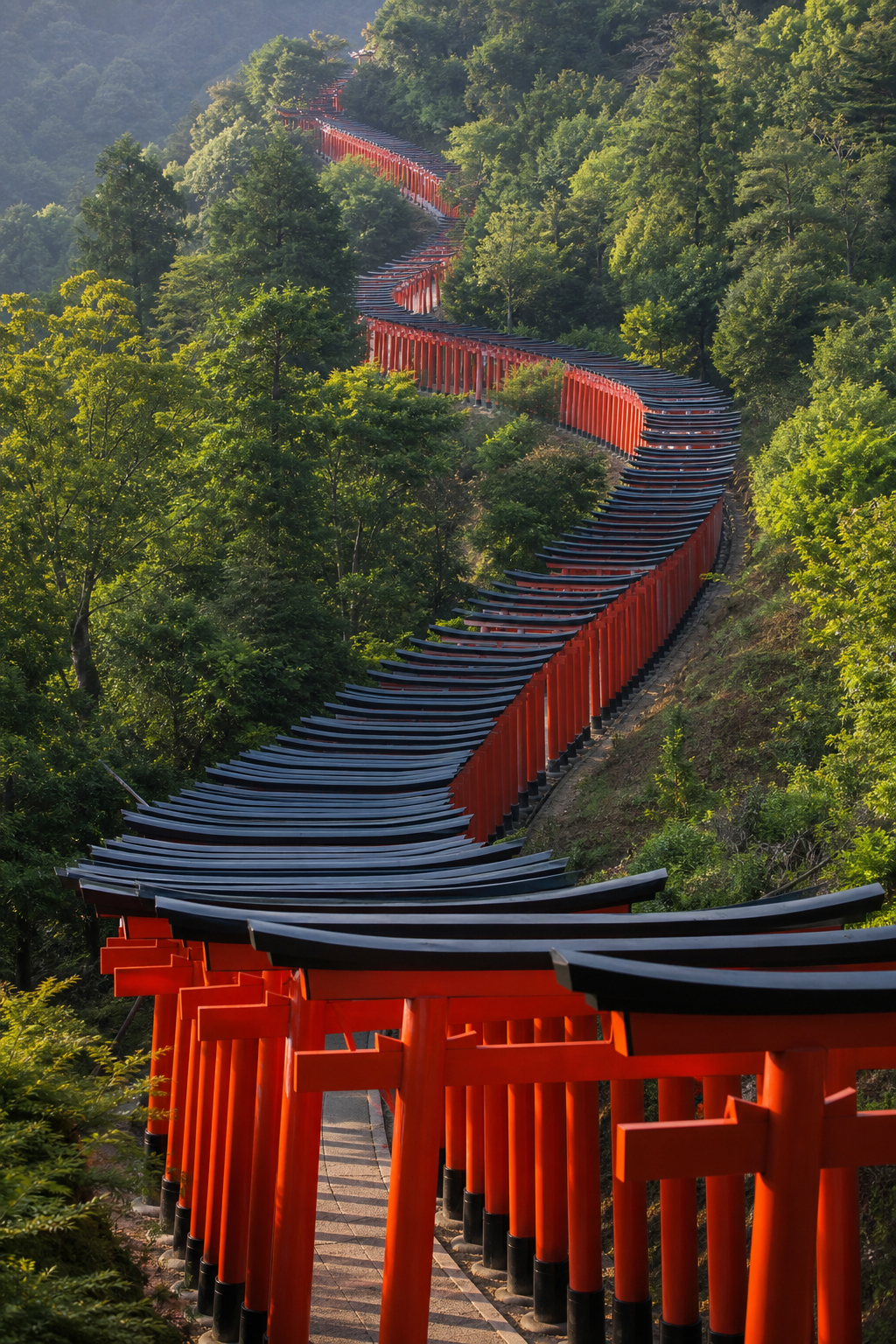
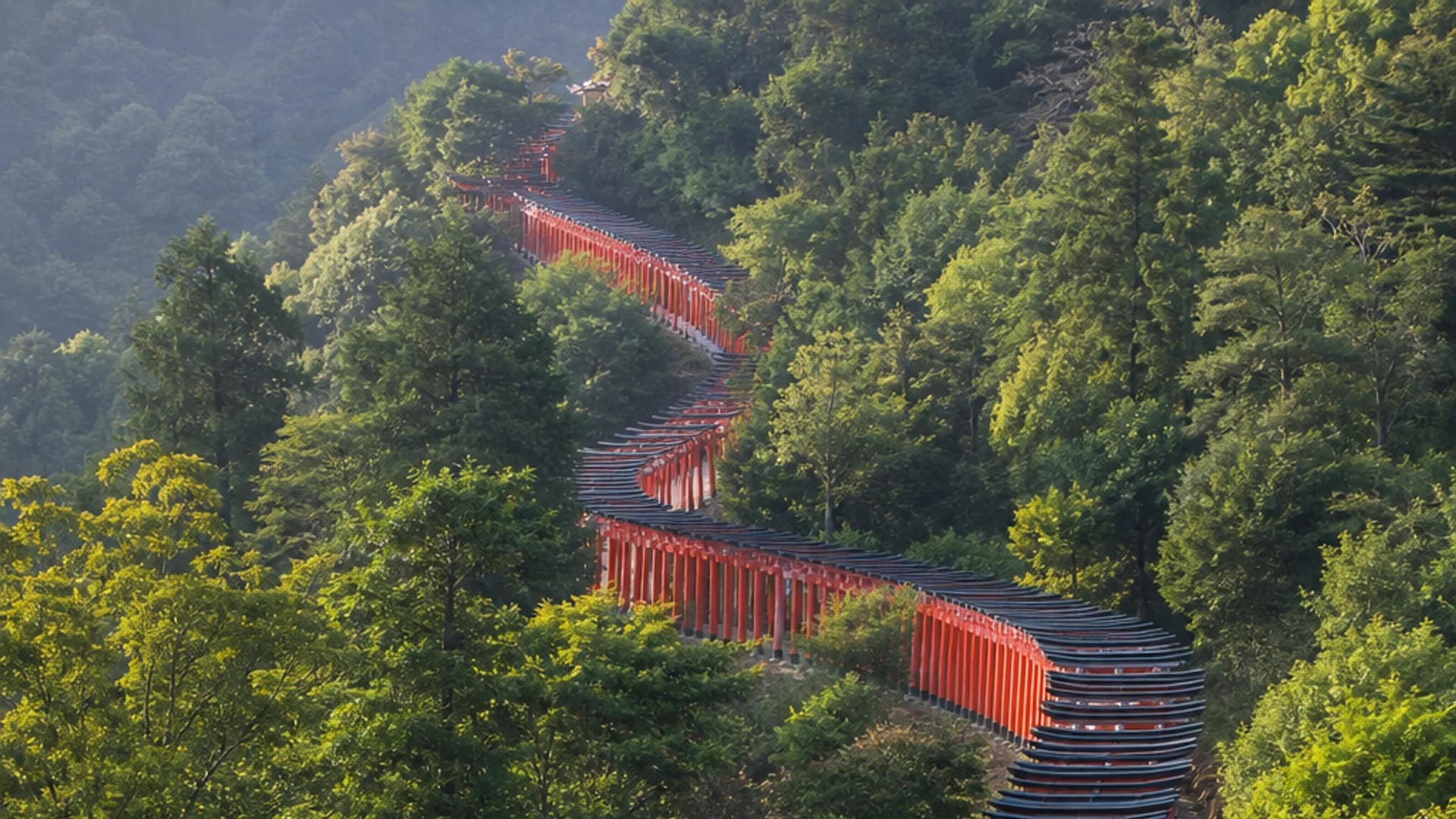
Fushimi Inari is the one Kyoto experience that earns every photo you’ve seen of it. Around 10,000 vermillion torii gates line the trails up 233-meter Mt. Inari-san, donated by individuals and companies whose names and dates are inscribed on the back of each gate. The shrine is open 24 hours a day and admission is free.
You don’t need to summit. The famous Senbon-no-torii (the densest arcade of gates) is in the lower section, accessible within 20 to 30 minutes of the entrance. Most visitors stop there. If you keep climbing past the Yotsu-tsuji junction, you get a wide view across southern Kyoto all the way to Osaka, and almost nobody else is up there.
The shrine enshrines Inari, the god of rice, commerce, and business. You’ll see fox statues throughout. Some hold keys in their mouths, a reference to the key to the rice storehouse.
Pro Tip: Go before 7 a.m. or after 6 p.m. The lower trails are genuinely crowded during the day, especially on weekends. The upper mountain empties out fast regardless of time, so if crowds bother you, just keep walking uphill.
Getting there is straightforward. Take the JR Nara Line from Kyoto Station to Inari Station. You step off the train and the first main torii is directly in front of you.
Kiyomizu-dera sits on the hillside of the Higashiyama district, and its wooden stage juts out 13 meters above the treetops on columns that were built without a single nail. The view west over Kyoto from that stage is the one most people picture when they think of the city.
This is a paid site; admission fees apply. It’s worth it. The grounds include the Otowa Waterfall, where visitors collect water in tin cups from three separate streams said to confer health, longevity, and success in studies. There’s also Jishu-jinja Shrine on the grounds, dedicated to the deity of love and matchmaking, where people walk between two stones with their eyes closed as a test of romantic fortune.
The temple opens at 6 a.m. year-round. Arrive before 8 a.m. and you’ll beat most tour groups. By 9 a.m. on a busy day, the approach streets through the Higashiyama district are already packed. Spring cherry blossom season and autumn foliage (mid-November to early December) bring special evening illuminations from 6:30 p.m. to 9:30 p.m., which are worth planning around if your trip overlaps.
The most enjoyable way to arrive is on foot through the Higashiyama district itself, walking past traditional machiya townhouses and small shops. The nearest train station is a local stop on a regional line, about a 20‑minute walk away. Buses from Kyoto Station are an option but the lines get long fast.
Nishiki Market is a covered five-block food street in downtown Kyoto that locals call “Kyoto’s pantry.” It runs between Teramachi and Takakura, one block north of Shijo, and entry is free. You pay only for what you eat.
The market has more than 100 stalls and shops. The traditional stock includes tsukemono (Japanese pickles), fresh tofu, Kyo-yasai (Kyoto vegetables), wagashi (Japanese sweets), and fresh fish. Takeaway skewers of fried seafood and yakitori are sold throughout. The market is open roughly 9 a.m. to 5 p.m., though individual stalls vary. Some shops close on Wednesdays. It’s a short walk from the nearest subway station.
One cultural note that matters: eating while walking is considered rude in Japan. Eat at the stall where you bought the food and return your trash there before moving on. This is easy to forget in the energy of the market, but locals notice.
The caveat here is that Nishiki has become noticeably more touristy in recent years, with souvenir shops moving in alongside the traditional food stalls. The traditional food vendors are still there in good numbers, but go with realistic expectations. A lively, busy atmosphere is part of the experience, not a detraction from it.
If you enjoy markets as the spine of a food itinerary, the same logic applies when exploring things to do in Venice, where the Rialto market plays a similar role in the city’s food culture. Similarly, Bremen’s Marktplatz offers a lively food scene worth a quick look if you ever travel to Germany.
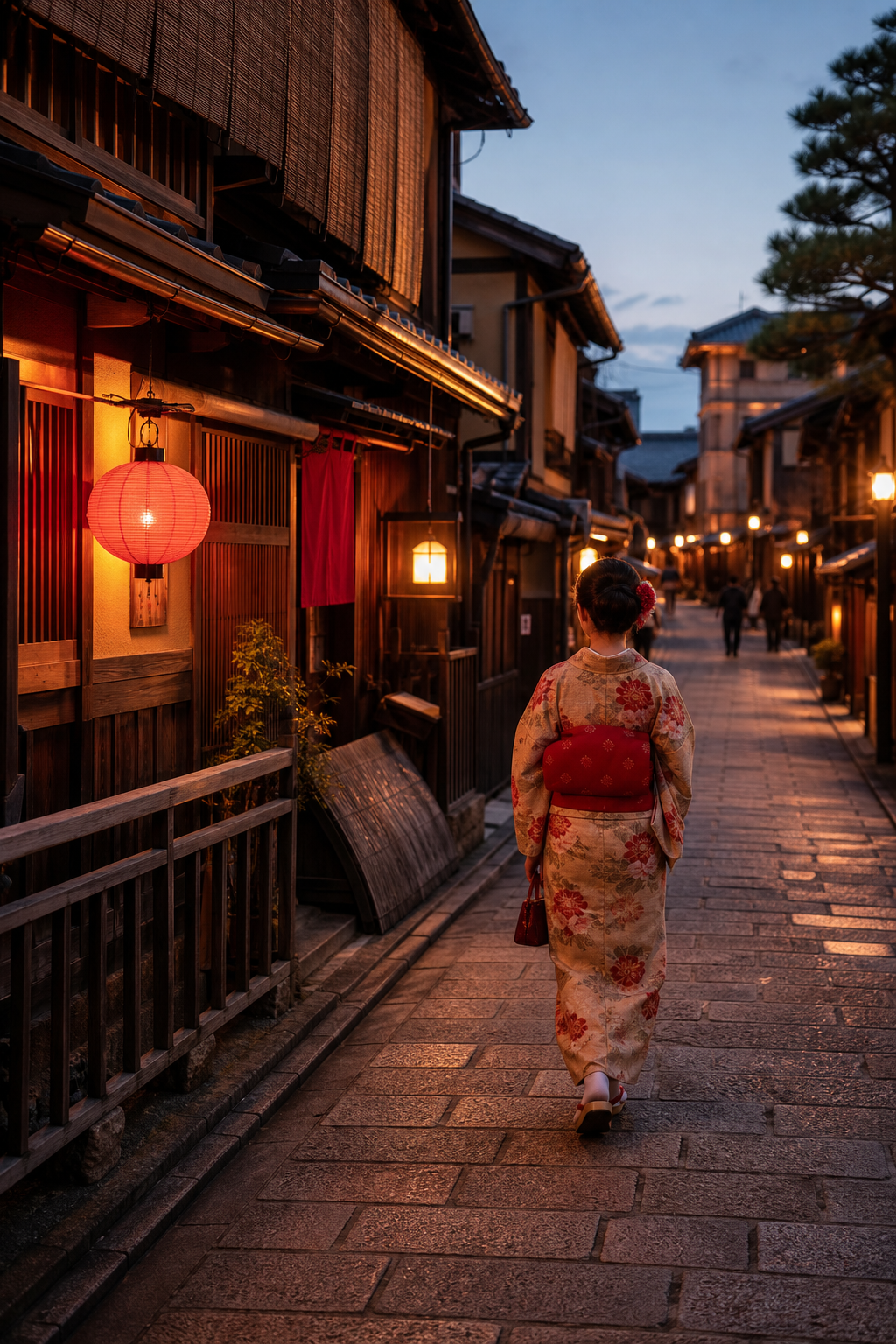
Gion is Kyoto’s largest geisha district and the most atmospheric neighborhood in the city after dark. The streets around Hanamikoji and the Shirakawa Canal are lined with traditional ochaya (teahouses) where geiko and maiko entertain guests behind closed doors. Walking the district at dusk costs nothing.
Kyoto has five hanamachi (geisha districts), and Gion is the most active. Around 100 fully‑flushed geiko and 50 or so maiko are believed to be active across the city’s five districts. Spotting one on the street walking to an engagement is possible but not guaranteed. If you do see one, keep your distance and don’t interrupt. Gion’s district council has banned photography on private streets, particularly on Hanamikoji, with fines that may be imposed for violations.
For a guaranteed experience, the Gion Kagai Art Museum is dedicated to geiko and maiko culture and is worth an hour. Alternatively, structured geisha dinner and performance experiences are offered at various price points, from shared shows to mid‑range packages that include a guided walking tour of the district with an English‑speaking guide.
Key Takeaway: Gion is best experienced on foot between 6 p.m. and 9 p.m. The streets are quieter than during the day and the lantern‑lit teahouse facades are at their most photogenic.
The Pontocho dining precinct is a 10‑minute walk away and makes a natural dinner stop after an evening in Gion. Both neighborhoods sit close to the Kamo River, so you can walk between them easily. For a sense of a similarly preserved historic center, consider Cesky Krumlov’s historic center as a European counterpart.
The Philosopher’s Path is a 1.8 km stone walkway in northeastern Kyoto that follows a canal lined with hundreds of cherry trees. It’s open 24 hours a day and free. The path takes its name from philosopher Nishida Kitaro, who walked it daily on his commute to Kyoto University and used it for meditation. The canal itself was built in 1890 to supply Kyoto with fresh water from Lake Biwa, the largest lake in Japan.
The walk takes 30 to 40 minutes end to end without stops. Most people start near Ginkakuji Temple (the Silver Pavilion) at the northern end and walk south toward a nearby historic temple. Both Ginkakuji Temple and the southern temple are a 5‑minute walk from the path’s endpoints. Along the route there are small shrines, boutique shops, cafes, and antique stores worth dipping into.
Peak cherry blossom season runs late March to early April. During that window, the path becomes genuinely crowded midday. The fix is simple: arrive before 9 a.m. or after dusk. The difference between an early morning walk and a midday weekend walk during sakura season is dramatic. Autumn foliage peaks mid-November to late November and is equally worth timing carefully.
Outside peak seasons, the Philosopher’s Path is one of the more underrated walks in the city. Summer brings fireflies in late May to early June along the canal. Winter snowfall turns the path quiet and occasionally magical.
At Dream Book Travel, we always recommend pairing this walk with Ginkakuji at opening time. Walk the path first thing, then enter the Silver Pavilion when it opens at 8:30 a.m. (from March to November). You get both experiences before the tour groups arrive.
Here’s how the six stack up on the factors that actually matter for planning your day. Cost figures are in yen with USD approximations. Time estimates are for the experience itself, not including travel.
| Experience | Entry Cost | Time Needed | Best Season | Crowd Level | Best For |
|---|---|---|---|---|---|
| Arashiyama Bamboo Grove | Free | 30–45 min | Autumn / Rainy days | High (go early) | Nature walkers |
| Fushimi Inari Shrine | Free | 1.5–3 hrs | Year-round | Very high (go at dawn) | Hikers, photographers |
| Kiyomizu-dera Temple | Entry fee applies | 1–1.5 hrs | Spring / Autumn | High (arrive before 8 a.m.) | First-time visitors |
| Nishiki Market | Free (food costs vary) | 1–3 hrs | Year-round | Consistently busy | Food lovers |
| Gion District | Free (experiences may have additional fees) | 1–2 hrs stroll | Year-round (evening) | Moderate evenings | Culture seekers |
| Philosopher’s Path | Free | 30–40 min | Spring / Autumn | High in season (go early) | Slow travelers |
Five of the six cost nothing to enter. The only paid site, Kiyomizu-dera, has an entry fee. If you’re planning a full day around these six, budget for the temple entry plus whatever you spend at Nishiki Market. Transport between sites on Kyoto’s subway and bus network typically involves a modest fare per journey.
For a usable itinerary that groups these by geography, the Dream Book Travel team recommends pairing Philosopher’s Path with Ginkakuji in the morning (northeastern Kyoto), then moving to Kiyomizu-dera via the Higashiyama district in the afternoon, and finishing with Gion in the evening. Arashiyama and Fushimi Inari each deserve their own half-day, ideally on separate days.
Three days is the realistic minimum to cover Kyoto’s main experiences without rushing. Four days lets you take a slower pace and add a day trip. If you’re also visiting Osaka, give Kyoto the larger share of your time. The city has 17 UNESCO World Heritage Sites and the density of things worth seeing is higher than most visitors expect before they arrive.
Yes, but timing is everything. The lower trails near the main hall are genuinely packed during the day. Go before 7 a.m. or hike past the Yotsu-tsuji junction and you’ll leave most visitors behind. The upper mountain is quiet almost any time. The hike to the summit takes a few hours, and the view over southern Kyoto at the midpoint junction alone justifies the effort.
Spring (late March to early April) and autumn (November) are the visual peaks for most sites. Cherry blossoms line the Philosopher’s Path and Maruyama Park; autumn foliage transforms the temple grounds. Both periods are also the most crowded. If you want quieter streets, late May or early June and October are solid alternatives with good weather and fewer visitors.
Less than most people expect. The majority of Kyoto’s top attractions are free. A day covering Fushimi Inari, the Philosopher’s Path, and a Nishiki Market lunch might cost ¥2,000 to ¥3,000 (~$14 to $20) including transport, market food, and one paid temple entry. Budget more if you add a structured Gion experience or a sit-down kaiseki meal.
It’s possible but not guaranteed. Around 150 geiko and maiko are active in Kyoto across five districts. They sometimes walk between engagements in the early evening, particularly on Hanamikoji Street. For a guaranteed sighting, book a structured dinner or performance experience in advance. Prices start at a moderate rate for a shared show. Photography on private Gion streets is banned with fines up to ¥10,000.
Yes. The path runs along a canal through a quiet residential neighborhood and has good cafes, small shrines, and antique shops year-round. Autumn foliage in mid to late November is nearly as impressive as spring. Summer brings fireflies along the canal in late May and early June. The walk is free, takes 30 to 40 minutes, and connects two significant temples at either end.
Kyoto rewards the traveler who plans around timing, not just destination. Five of these six experiences cost nothing to enter, so your real budget goes to transport, food, and the occasional paid temple or evening experience worth splurging on. Start early, pick one or two sites per morning, and let the afternoons be slower. If you want a day-by-day itinerary that sequences these experiences by neighborhood and travel time, the Dream Book Travel planning guides are built exactly for that. A good place to start is our broader destination experience guide format to see how we structure a full visit around genuine priorities.
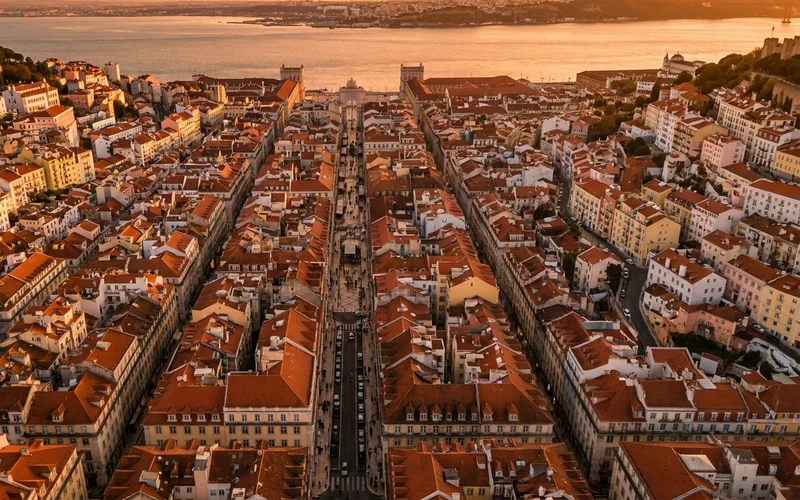
Discover the top 5 day trips from Lisbon with real prices, travel tips, and honest verdicts. Perfect for savvy travelers looking for memorable short escapes.
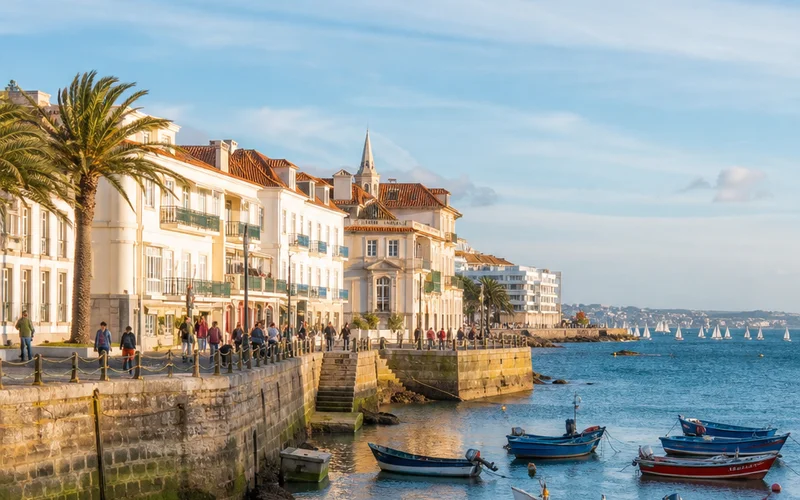
From Chiado to Graça, find the best neighborhoods to stay in Lisbon — with honest trade-offs, real prices, and who each area actually suits.
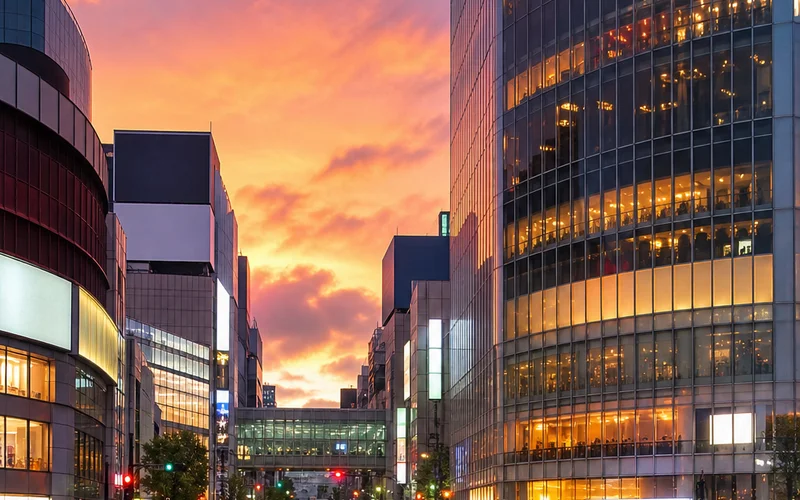
Discover the top neighborhoods for first‑time visitors to Tokyo. Honest prices, transport tips, and real‑world verdicts to help you pick the perfect stay.